
can i use basketball shoes for volleyball

As an Amazon associate, Comfy-Kicks.com earns from qualifying purchases at no cost to you.
Also, volleyball shoes usually have more grip and flexibility in the footbed to help with quick pivots and side-to-side movements. Basketball shoes might slip on the volleyball court’s often wet or slick surface, making it harder to stay steady. If you’re serious about playing volleyball, it’s best to invest in shoes made specifically for that sport to keep you safe and perform better.
can i use basketball shoes for volleyball in 2026
1. Breathable Fashion Basketball Shoes

Basketball shoes offer solid ankle support and cushioning, which could help with volleyball’s quick lateral movements. The high-top design provides stability, though volleyball’s lighter court demands more agility than hardwood floors.
However, volleyball’s fast, unpredictable jumps and side-to-side spins may strain the thick, structured soles. A volleyball-specific shoe’s lighter weight and softer grip suit the sport better. Stick with basketball shoes only if you prioritize support over pure performance.
2. High-Top Basketball Sneakers

Basketball shoes often prioritize ankle support and cushioning for jumping, which can work for volleyball if you’re light on your feet. The high-top design helps stabilize your ankles during quick lateral moves, though volleyball demands more agility than pure jumping.
That said, volleyball requires more flexibility in the sole for quick pivots. Basketball shoes might lack the lightweight grip needed for fast side-to-side cuts. If you’re just casual play, they’ll do, but for serious volleyball, specialized shoes offer better traction and responsiveness.
3. Breathable Outdoor Basketball Sneakers

Basketball shoes offer solid traction for volleyball, thanks to their grippy outsoles. The non-slip design helps with quick lateral movements, which are key in volleyball. However, they lack the lightweight flexibility needed for fast jumps and spins. If you prioritize stability over agility, they might work, but expect some stiffness in footwork.
4. Immortality Basketball Shoes

Basketball shoes like these offer solid ankle support and cushioning, which could help with quick lateral movements in volleyball. The durable outsole provides traction, though volleyball demands more consistent grip on varied court surfaces.
However, volleyball requires more flexibility and a lighter feel. These shoes are built for explosive jumps and rapid direction changes, not the continuous sliding or softer landings volleyball demands. Stick to shoes made for volleyball for best performance.
5. Pink Fashion Sport Sneakers

Basketball shoes offer solid traction and support, but volleyball demands quick lateral shifts and impact absorption. Pink fashion sneakers with anti-slip soles might work for casual play, but they lack the specialized cushioning and ankle reinforcement volleyball requires. The lightweight design could help with agility, but the lack of firm court-specific grip could lead to slips on harder surfaces. If you prioritize style over performance, they might suffice for light play, but for serious volleyball, proper footwear is essential.
6. Fashion Basketball Sneakers

Basketball shoes prioritize cushioning and quick lateral movement, which can work for volleyball’s explosive jumps and quick pivots. The lightweight design helps with agility, and the non-slip sole provides grip on outdoor courts.
However, volleyball demands more ankle support and a firmer sole for landing. Basketball shoes lack the stability needed for repeated jumps and dives. Stick to volleyball-specific shoes for best performance.
7. Volleyball Shoes

Basketball shoes are built for explosive lateral movements and hard court surfaces, which can be tough on volleyball. The Upcourt shoes offer lightweight cushioning and a flexible sole designed for quick changes in direction, making them a better fit than most basketball shoes for volleyball’s demands.
Volleyball requires agility and support without sacrificing responsiveness. The Upcourt’s structured design helps with quick pivots and serves, unlike basketball shoes that lack the lightweight, breathable construction needed for indoor volleyball. Stick with shoes made for the sport.
8. Basketball Shoes
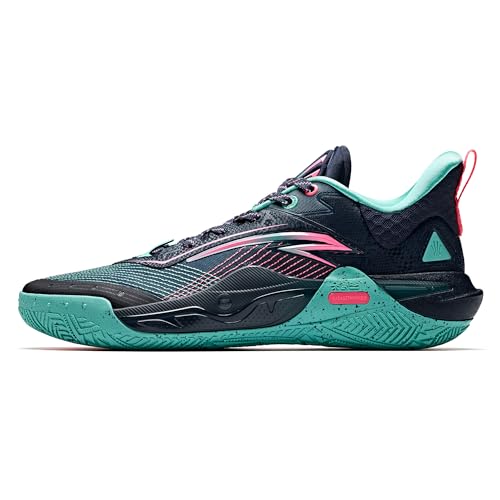
These shoes are built for explosive lateral movement and quick pivots, which could give you a slight edge if you need agility for volleyball. The lightweight design helps with speed, though volleyball demands more consistent ground contact than the quick cuts of basketball.
That said, volleyball’s constant jumping and landing might stress the cushioning and support meant for basketball’s harder impacts. The sole’s grip could work, but the structure isn’t optimized for the sport’s demands. Stick to volleyball shoes for safety and performance.
9. Volleyball Shoes

These shoes are built for explosive court movement, offering lightweight cushioning and responsive traction. The Zoom HyperAce design absorbs impact better than most basketball shoes, making them safer for quick lateral shifts and jumps.
Basketball shoes lack the specialized rubber outsole for volleyball’s demanding side-to-side motion. The HyperAce’s grip stays firm on indoor courts, but durability may wear faster than volleyball-specific models. Stick to them if you prioritize comfort over pure performance.
10. Basketball Sports Sneakers

Basketball shoes offer solid traction for indoor volleyball, thanks to their deep, multi-directional grip patterns. The reinforced rubber outsole sticks to hard courts better than many volleyball shoes, reducing slips during quick lateral moves. The cushioning also absorbs impact from jumps, which helps with volleyball’s explosive movements.
Outdoor models add extra durability for gymnasiums or outdoor courts, though they may lack the lightweight flexibility volleyball shoes provide. Still, the stability and ankle support make them a practical backup for indoor play.
