
can i use trail running shoes for hiking

As an Amazon associate, Comfy-Kicks.com earns from qualifying purchases at no cost to you.
For hiking, you’ll want shoes with more robust treads and reinforced midsoles to handle rocks, roots, and uneven ground. Running shoes often lack the ankle support needed for steep trails or long climbs. If you’re unsure, consider testing a pair of trail running shoes on shorter hikes first to see how they perform before committing to a longer trip.
can i use trail running shoes for hiking in 2026
1. Trail Running Shoe
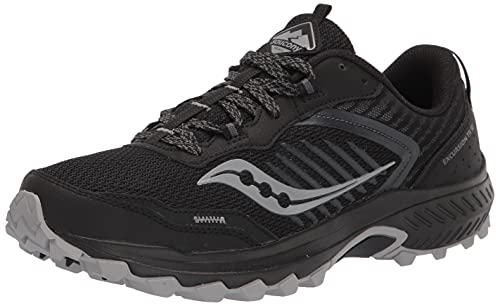
Trail running shoes like these are built for rugged terrain, offering grip and support for uneven paths. The durable outsole provides traction on rocks and roots, while the padded midsole absorbs impact better than most hiking boots.
They’re lighter than traditional boots, reducing fatigue over long distances. Just ensure the fit’s snug enough for stability—no need for bulky hiking socks if you prefer a snug fit.
2. Lightweight Trail Running Shoes

Trail running shoes are built for speed and cushioning on uneven terrain, making them surprisingly adaptable for hiking. Their lightweight design and grippy soles handle loose rocks and mud better than most hiking boots. The flexibility keeps your feet happy over long distances, though you’ll want to check if the fit’s secure enough for steep climbs.
For basic trails and light terrain, these shoes cut down on bulk while offering traction. Just ensure the ankle support matches your stride—if you need stability, a hybrid boot might be better. They’re a solid choice for casual hikers who prioritize comfort over rugged protection.
3. Quick Dry Trail Running Shoes

Trail running shoes are built for rugged terrain, offering grippy soles and breathable uppers to handle uneven paths. Their lightweight design and quick-drying materials make them practical for hiking too, though you’ll want to check if they fit your foot shape and support needs.
For serious hiking, consider adding ankle support or thicker soles if required. Still, these shoes excel in dry conditions, blending efficiency with durability for moderate trails.
4. Trail Running Shoe

Trail running shoes like the grey/gold model are built for rugged terrain, offering grippy rubber soles and reinforced midsoles for stability. Their lightweight design and breathable upper keep feet dry and comfortable over long distances.
Yes, they work well for hiking—just ensure the trail isn’t too technical or steep. The cushioning helps with impact, but check for proper fit to avoid blisters. Stick to moderate trails, and you’ll be fine.
5. Trail Running Shoe

These shoes blend rugged traction with lightweight comfort, making them solid for mixed terrain. The grippy outsole handles loose rocks and roots well, while the padded collar keeps feet secure on uneven paths. They’re built for endurance, so they’ll last longer than casual hiking boots. Stick with them if you prioritize versatility over heavy-duty durability.
6. Lime Trail Running Shoe

Trail running shoes like the Altra Men’s Lone Peak are built for rugged terrain, offering wide toe boxes and reinforced midsoles for stability. The design helps distribute weight evenly, reducing strain on feet during long hikes.
They’re ideal for hiking too—durable outsoles grip uneven paths, and the cushioning absorbs impact better than most casual shoes. Just check the trail’s demands; if it’s mild, they’ll work fine.
7. Minimalist Trail Runner Shoes

Trail running shoes like these can work for hiking if they prioritize stability and terrain grip. Their wide toe box and zero drop design mimic natural foot movement, reducing strain on joints. However, they lack the thick soles and reinforced midsoles needed for rough terrain or long-distance hiking.
For serious hiking, consider adding a lightweight hiking boot or trail shoe with more cushioning. These minimalist runners excel on smooth trails but may fail on rocky or steep paths.
8. Trail Running Shoe

Trail running shoes like the Saucony Cohesion TR14 offer solid traction and support for rugged terrain. The alloy and cobalt build keeps them lightweight yet durable for long hikes.
They’re designed for speed and stability, but their grip and structure make them adaptable for light trail hiking. Just ensure the terrain isn’t too technical or steep.
9. Breathable Trail Running Shoes

Trail running shoes like these are built for rugged terrain, offering grippy soles and reinforced midsoles for stability. Their breathable mesh keeps feet dry, while durable materials handle uneven paths well.
Yes, they’re fine for hiking—just ensure they’re rated for the terrain. Lightweight and supportive, they’ll handle trails better than casual shoes. Stick to them for moderate hikes.
10. Water Shoes for Swimming & Hiking
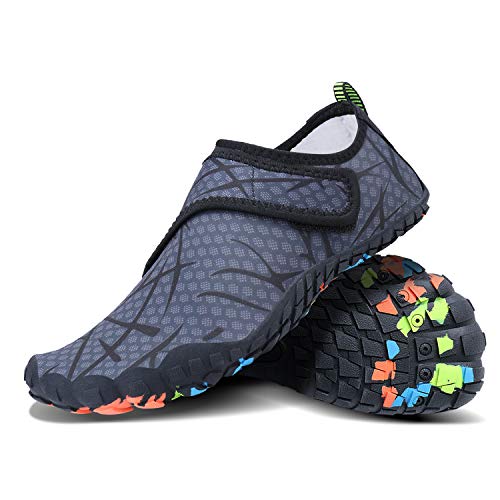
Trail running shoes are built for speed and cushioning on varied terrain, but they lack the grip and flexibility needed for rugged hiking. These water shoes offer a better fit for uneven paths, with reinforced soles for traction and breathable material to keep feet dry. They’re lighter than boots yet tough enough for trails, though they won’t match the support of proper hiking shoes for long climbs.
