
can i use hiking shoes for running

As an Amazon associate, Comfy-Kicks.com earns from qualifying purchases at no cost to you.
But if you’re short on running shoes and the weather’s mild, you could try them. Just watch for blisters—they’re not designed for the impact of running. If you’re just starting out, stick to proper running shoes to avoid injuries.
can i use hiking shoes for running in 2026
1. Quick Dry Trail Hiking Shoes

Hiking shoes can work for running if they prioritize breathability and lightweight design. The L-RUN’s quick-dry material keeps feet dry longer than standard trail shoes, reducing blisters and discomfort. Lightweight yet supportive, they balance stability for uneven terrain with speed for road runs.
For serious runners, the right fit matters. These shoes offer a snug fit for trail grip, but if you prefer road smoothness, check the sole’s flexibility. They’re versatile enough for mixed terrain, but test them first—adjust if needed.
2. Wide Toe Trail Running Shoe

Hiking shoes are built for rugged terrain, but they lack the lightweight flexibility needed for pure running. These barefoot-style sneakers prioritize toe box width and natural foot movement, reducing strain on joints while offering grip for trails and gym surfaces. They’re lighter than typical running shoes, ideal for casual runs or light training, though they won’t match specialized running shoes for endurance or speed.
3. Water Shoes for Swimming, Surfing, Beach, Pool

Hiking shoes aren’t built for running—they lack the lightweight flexibility and cushioning needed for speed. Their thick soles and reinforced toes can slow you down, while the stiff upper structure may cause blisters or discomfort over long distances.
For running, you’d need shoes designed for impact absorption and forward motion. MAYZERO water shoes offer breathable, flexible soles and a snug fit, making them better for casual runs or poolside jogging than rugged hiking gear.
4. Sports Foot Support Insole

Carbon fiber insoles provide rigid support for high-impact activities like running and basketball. They help stabilize turf toe injuries and reduce stress on fractured feet, offering a firm platform to prevent further damage.
For hallux rigidus or hallux limitus, these insoles offer controlled motion, mimicking post-op shoe stiffness. They’re ideal for hiking or trekking when you need durability without bulky shoes.
5. Barefoot Running Shoes

These shoes offer lightweight, flexible support ideal for barefoot-style running. Their minimalist design mimics natural foot movement, reducing strain on joints. They’re built for all-day comfort, not just trails, so they could work for casual runs too.
Hiking shoes often prioritize durability over cushioning. If you prefer a lighter feel and better responsiveness, these might suit running better than rugged trail footwear. Test them first—fit and terrain matter.
6. Barefoot Running Shoes
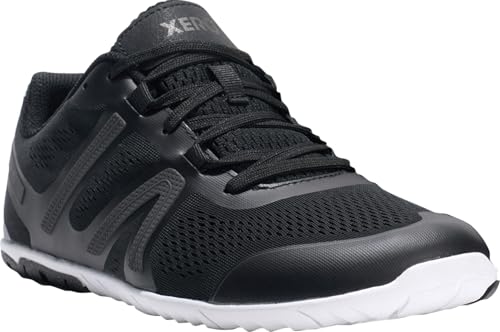
Hiking boots often prioritize ankle support and rugged terrain over natural foot movement. The Xero Shoes HFS Original mimics barefoot feel, letting your foot roll naturally. This reduces impact stress, which hiking boots can’t replicate.
For running, barefoot-style shoes like these improve stability and reduce overpronation. Hiking shoes usually lack the lightweight flexibility needed for smooth, efficient strides. If you want a blend of support and barefoot benefits, these are a better choice than traditional hiking footwear.
7. Running Shoes for Men’s Workout

Hiking shoes excel in rugged terrain with deep traction and ankle support, but they’re not ideal for running. Their stiff soles and bulky design slow down speed, while the heavy materials overheat feet during long runs. For steady workouts, lighter, flexible sneakers like these gym shoes offer better cushioning and breathability.
If you run on pavement or trails with moderate elevation, hiking boots may work—just avoid heavy-duty versions. These running shoes prioritize speed and comfort, making them better for consistent athletic activity. Stick to what fits your routine.
8. Barefoot Running Shoes

Hiking boots often prioritize ankle support and rugged terrain grip over lightweight barefoot-style flexibility. The Xero Shoes Men’s HFS II mimics natural foot movement with minimalist design, offering a smoother stride than most hiking footwear. If you prefer a lighter, more responsive feel, these could replace boots for running—though they lack the durability for rough trails.
For road or trail running, the HFS II’s cushioning and breathable build help reduce impact. Hiking shoes usually lack this, so if you’re running on pavement or softer trails, these shoes adapt better. Still, test them first—adapting to barefoot-style shoes takes time.
9. Mountain Trail Running Shoe

These shoes excel for trail running, blending rugged durability with responsive cushioning. The design prioritizes stability on uneven terrain while offering smooth transitions for speed. The midsole’s tech adapts to impact, reducing fatigue on long runs. While hiking shoes often lack this precision, these fit running demands better—ideal for mixed trails and road segments.
10. Women’s Slip-On Loafer
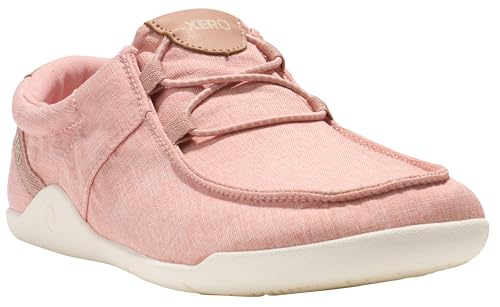
These slip-on loafers offer lightweight support with minimalist design, ideal for casual wear or light activity. They lack the structured arch and cushioning needed for running, which could lead to discomfort over time.
For serious running, proper footwear with shock absorption is critical. Hiking shoes often prioritize durability over flexibility, making them less suitable for long-distance running. Stick to specialized running shoes for optimal performance.
