
can i wear normal shoes for hiking

As an Amazon associate, Comfy-Kicks.com earns from qualifying purchases at no cost to you.
If you’re just starting out, investing in proper hiking shoes or boots is worth it. They’ll protect your feet from sharp objects, offer arch support, and keep your feet dry. Over time, you’ll appreciate the difference—no more achy feet or last-minute trips to the store for replacements. Stick to what works best for your feet and the conditions you’ll be facing.
can i wear normal shoes for hiking in 2026
1. Waterproof Hiking Shoes

Normal shoes won’t cut it for hiking. They lack grip, water resistance, and support. These leather low-tops keep feet dry, offer sturdy traction, and cushion uneven terrain. If you’re roughing it, comfort and durability matter more than style. Stick to proper footwear for safety and performance.
2. Outdoor Hiking Sneakers

Normal shoes won’t cut it for hiking. They lack grip, support, and breathability. Trails demand sturdy soles to prevent slips, and arch support to avoid blisters. Normal sneakers won’t handle uneven terrain or long distances. If you’re serious about hiking, specialized shoes keep you safe and comfortable.
3. Breathable Outdoor Hiking Shoes
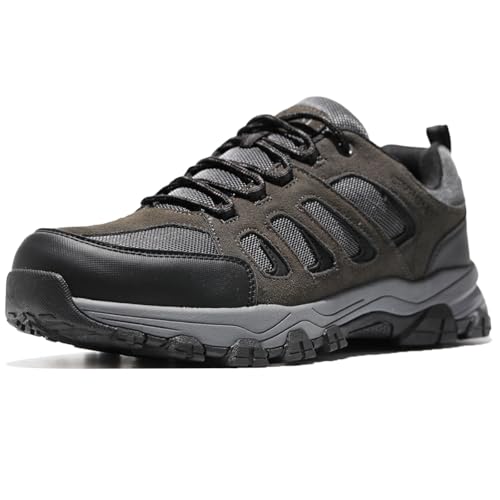
Normal shoes aren’t built for rough terrain or long walks. They lack grip, support, and breathability needed for trails. Normal sneakers will wear out quickly, cause blisters, and fail when you need stability. Proper hiking shoes handle uneven ground, keep feet dry, and reduce fatigue over distance. If you’re serious about hiking, these shoes are designed for it.
4. Minimalist Barefoot Trail Shoes

Normal shoes won’t cut it for rugged terrain. They lack the grip and support barefoot-style sneakers provide, risking blisters and ankle strain. Minimalist designs mimic natural foot movement, reducing fatigue on long hikes. If you prioritize comfort and efficiency over bulky boots, these shoes offer a solid alternative.
5. Low Waterproof Hiking Shoes
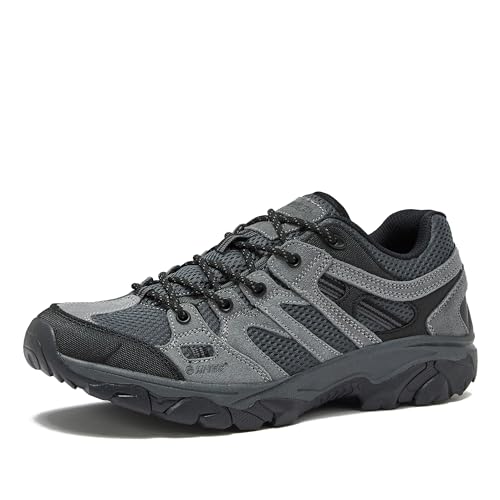
Normal shoes won’t cut it for hiking. They lack grip, breathability, and protection. These shoes keep feet dry, offer sturdy support, and fit snugly for long trails. Normal sneakers won’t handle uneven terrain or sudden rain. These are built for durability and comfort on rugged paths.
6. Lightweight Waterproof Hiking Shoes
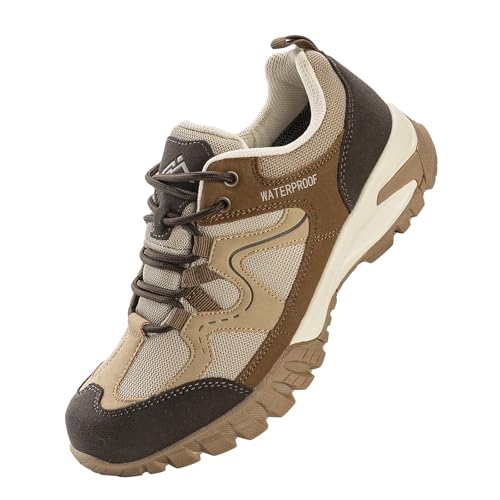
No, wearing normal shoes for hiking is a bad idea. They lack grip, water resistance, and support. Normal shoes will wear out fast, and you’ll risk blisters or ankle injuries. Proper hiking shoes protect your feet and keep you moving safely through uneven terrain. If you need durability and comfort, specialized shoes are worth the investment.
7. Columbia Mens Waterproof Hiking Boots

This shoe is built for rugged terrain, designed to handle wet, muddy conditions without letting water or debris ruin your hike. Its waterproof material keeps feet dry, while the deep tread grip ensures stability on slippery rocks or loose trails. Normal shoes won’t cut it—this model’s reinforced outsole and durable construction mean you’ll stay on your feet longer.
If you’re hiking in unpredictable weather, these shoes outperform everyday footwear. The squash fabric wicks moisture away, and the sturdy build resists wear from rough paths. You won’t need to swap mid-trip, and your feet won’t get blistered or soaked. Stick with this if you want reliability.
8. Leather Hiking Shoe

Normal shoes won’t cut it for serious hiking. These boots offer grippy rubber soles for uneven terrain, breathable leather that wicks moisture, and sturdy ankle support. They’re built for durability and comfort over long distances, unlike flimsy sneakers that wear out fast or slip in mud. If you’re hiking trails, they’re a far better choice than casual footwear.
9. Waterproof Hiking Shoes

No, you shouldn’t wear regular shoes for hiking. They lack the grip, support, and water resistance needed for trails. Normal sneakers won’t handle uneven terrain or heavy rain. Proper hiking shoes like these provide ankle stability, breathable material, and durable soles for long distances. Stick to gear built for the conditions.
10. Women’s Lightweight Breathable Hiking Shoes

Normal shoes won’t cut it for hiking. They lack grip, support, and breathability. Trails demand sturdy, breathable footwear to prevent blisters and fatigue. Lightweight mesh designs like these offer airflow, reducing sweat buildup. Without proper traction and ankle reinforcement, you risk slips and injuries. Stick to shoes built for rugged terrain.
