
can i use running shoes for hiking

As an Amazon associate, Comfy-Kicks.com earns from qualifying purchases at no cost to you.
can i use running shoes for hiking in 2026
1. Quick Dry Trail Running Shoes

Running shoes designed for trail use often prioritize grip and flexibility, making them suitable for hiking if they meet key needs. The L-RUN models feature quick-drying materials and sturdy traction for uneven terrain. However, they lack the deep ankle support or rugged durability typical of dedicated hiking boots. If your hikes are short and trails are mild, these shoes could work, but for rough conditions or long distances, specialized gear is better.
2. Minimalist Trail Runner Shoes

Running shoes designed for minimalist or trail use often prioritize stability and cushioning over flexibility, which can limit their effectiveness for hiking. The wide toe box and zero drop of these shoes allow toes to spread naturally, reducing blisters and improving balance on uneven terrain. However, if your hike involves steep climbs or rough rock, standard running shoes may lack the ankle support needed for serious trail conditions. For light, flat terrain, they can work, but for anything more demanding, specialized hiking boots are usually better.
3. Water Shoes for Beach Pool Hiking

Running shoes aren’t built for rugged terrain or wet conditions. They lack grip, breathability, and durability for hiking. Water shoes offer a lightweight, flexible fit with traction for uneven surfaces and waterproofing to keep feet dry. They’re ideal for trails, beaches, or light trails where comfort and protection matter more than speed.
4. Sports Foot Support Insole

Carbon fiber insoles provide rigid support for high-impact injuries like turf toe or stress fractures, offering stability without bulk. They’re ideal for hallux rigidus or hallux limitus, reducing joint strain during sports or long hikes. Unlike soft running shoes, these insoles won’t flex, making them a solid alternative for post-op recovery or when needing extra durability.
For athletes or hikers, these insoles distribute weight evenly, cutting down on fatigue. They’re better than standard running shoes for trekking or basketball, where structure matters more than cushioning. If you’re mixing sports and hiking, these insoles keep you stable without sacrificing mobility.
5. Running Walking Shoes

Running shoes like these are built for endurance and support, making them a decent option for light hiking. They offer cushioning for joint comfort during long walks, though they lack the rugged traction needed for rocky terrain. For casual hikes on trails with minimal elevation, they’ll suffice, but for steep or technical routes, you’d need more grip and durability.
6. Mountain Trail Running Shoe

This shoe blends running efficiency with rugged trail capability, making it a solid choice for mixed terrain. Its responsive cushioning helps with quick turns, while the grippy outsole adapts to uneven paths.
The design prioritizes durability for longer hikes, though it’s not built for extreme off-trail conditions. If you mostly tackle trails alongside runs, it works well—just avoid rough, rocky terrain where specialized hiking shoes might be better.
7. Barefoot Loafer Slip-On Shoe
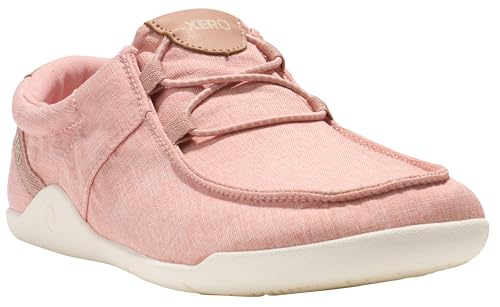
Running shoes aren’t built for rugged terrain, but the Kona’s lightweight design and flexible sole offer a closer feel to barefoot movement. They lack grip for rocks or roots, though, so they’re better for gentle trails or city walks than serious hiking. If you prioritize comfort over stability, they might work for short, easy hikes.
8. Breathable Mesh Wedge Sneakers

Running shoes are built for speed and cushioning, not rugged terrain. They lack the sturdy grip and ankle support needed for hiking trails. Mesh and lightweight materials won’t handle uneven paths or steep climbs. If you need traction and durability, running shoes won’t cut it. Stick to hiking-specific footwear for safety and comfort.
