
can i wear running shoes for hiking

As an Amazon associate, Comfy-Kicks.com earns from qualifying purchases at no cost to you.
can i wear running shoes for hiking in 2026
1. Quick Dry Trail Running Shoes

Yes, you can wear running shoes for hiking, but only if they’re built for rugged terrain. The L-RUN Mens Trail Running Shoes White M US (Women 11, Men 9.5) = EU42 blend lightweight design with deep treads for grip on rocks and roots. Quick-dry material prevents blisters, and reinforced toe caps handle sharp debris. They’re better than sneakers for uneven trails, but avoid them on steep, technical paths where stability matters more.
2. Lightweight Women’s Hiking Shoes

Running shoes aren’t ideal for hiking—they lack the durability and support needed for uneven terrain. These shoes offer a better blend of cushioning and stability, designed for all-day wear on trails. The arch support helps prevent fatigue, while the lightweight build reduces strain on joints. If you prioritize comfort and protection over pure speed, these could be a solid choice.
3. Waterproof Trail Running Shoes

Running shoes aren’t built for rugged terrain like trails, but these barefoot-style footwear blend protection with natural movement. They grip wet rocks and mud without slipping, so they’re better than standard shoes for uneven paths. Lightweight yet durable, they let your feet stay active while shielding toes from debris. If you need a balance between support and trail adaptability, these could work—just avoid deep mud or extreme terrain.
4. Lightweight Hiking Sneakers

Running shoes aren’t built for rugged terrain. They lack the grippy soles and sturdy construction needed for uneven trails. While lightweight and cushioned, they’ll wear out fast and offer poor support. Hiking shoes prioritize durability, traction, and ankle stability—traits running shoes lack. Stick to proper gear for safety and comfort.
5. Wide Toe Minimalist Trail Runner Shoes

Running shoes aren’t ideal for hiking, but these minimalist trail runners offer a middle ground. They prioritize toe space and natural foot movement, which can reduce blisters and improve balance on uneven terrain. The lightweight design helps with quick adjustments, though they lack the grip and durability of dedicated hiking boots. Stick to them for short, stable trails where grip isn’t critical.
6. Outdoor Hiking Shoes

Running shoes aren’t built for rugged terrain or long hikes. They lack grip, support, and durability for trails, rocks, or uneven paths. Hiking shoes prioritize stability, breathability, and traction—features running shoes lack. If you hike often, proper footwear prevents blisters, sprains, and fatigue. Stick to gear designed for the task.
7. Lightweight Breathable Hiking Sneakers

Running shoes are built for speed and cushioning, not terrain. They lack grip for uneven paths and support for long hikes. A good hiking shoe prioritizes stability, breathability, and durability over pure running comfort. If you’re hiking, stick to shoes designed for the job—running shoes won’t cut it.
8. Sports Foot Support Insole

Carbon fiber insoles provide rigid support for high-impact injuries like turf toe or foot fractures. They offer stability without bulk, letting you stay active while protecting joints. For hallux limitus or hallux rigidus, they reduce stress on the big toe joint, easing pain.
These inserts work well in sports or hiking—no need for bulky post-op shoes. They’re lightweight enough for running but stiff enough to support trekking or basketball. If you’re mixing running shoes with hiking, this rigid insert keeps you safe.
9. Barefoot Running Shoes
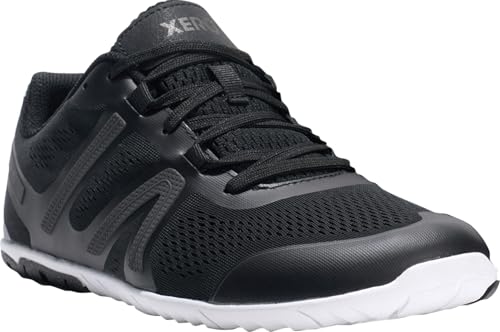
These barefoot-style shoes mimic natural foot movement, offering lightweight support for uneven terrain. Their flexible design reduces impact on joints, making them a practical choice if you prefer minimal gear.
For hiking, they lack the ankle stability of traditional trail shoes, so they’re best for flat or lightly rugged paths. Stick to them only when you prioritize comfort over grip or protection.
10. Power Train Industrial Work Shoe

Running shoes aren’t built for rugged terrain or heavy-duty demands. These boots offer reinforced toe protection, durable alloy construction, and deep treads for grip on rocks and roots. If you need stability, ankle support, and long-lasting durability for hiking, these shoes are far superior to running footwear. They handle uneven ground and extended wear better than lightweight runners.
