can i wear running shoes for tennis

As an Amazon associate, Comfy-Kicks.com earns from qualifying purchases at no cost to you.
Wearing running shoes for tennis could lead to blisters, pain in your knees or ankles, or even long-term joint issues. Tennis shoes have a firmer sole and better grip for the court surface, which is crucial for quick direction changes. If you’re not used to the extra support, you might feel unstable or fatigued faster. It’s better to invest in a pair of tennis shoes that fit your foot shape and playing style.
can i wear running shoes for tennis in 2026
1. Lightweight Running Shoes

Running shoes aren’t built for tennis’s explosive lateral cuts and quick pivots, but these lightweight, breathable sneakers offer a close enough fit. The non-slip sole and reinforced toe box handle sharp direction changes better than most running shoes, while the mesh keeps feet dry during intense play. For casual play or light matches, they’re a decent compromise—though proper tennis shoes still provide better ankle support.
2. Men’s Running Sneakers

Running shoes aren’t ideal for tennis, but these lightweight sneakers could work if you prioritize comfort over pure performance. The non-slip sole helps with quick lateral movements, though they lack the grip and stability of tennis shoes. For casual play or light matches, they might suffice, but expect less cushioning and support than dedicated court shoes. Stick to them only if you’re not hitting hard or jumping often.
3. Sparkly Tennis Shoes
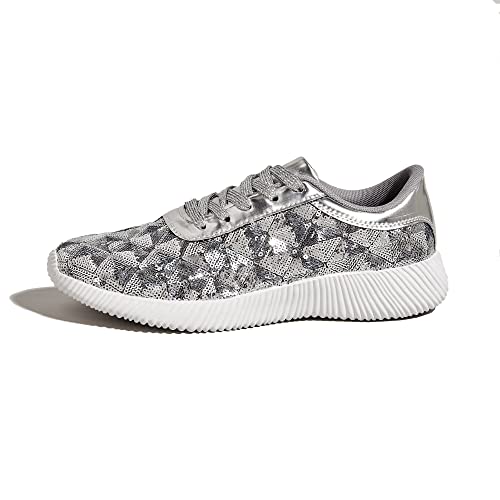
Running shoes aren’t built for tennis’s quick lateral movements. They lack the structured support and lightweight flexibility needed for sharp cuts and jumps. These glittery shoes offer a snug fit with arch support, making them better suited for the sport’s demands. The metallic sequins add style, but the real advantage is their stability and cushioning tailored for active play.
4. Neutral Running Shoe
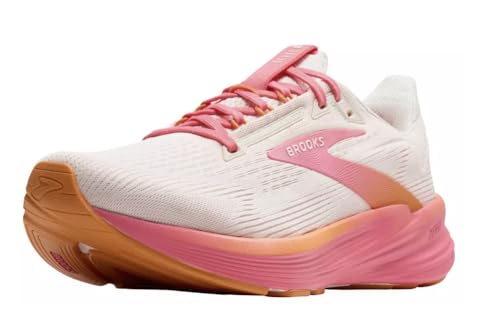
Running shoes aren’t ideal for tennis due to their focus on cushioning and stride support. The Revel 8’s neutral design prioritizes comfort for long-term running, not the quick lateral cuts tennis demands. Its thick sole lacks the firm grip and stability needed for aggressive side-to-side movements. If you play tennis, you’ll need shoes with more responsive cushioning and reinforced midsoles for impact absorption.
5. Wide Toe Box Arch Support Orthotic Shoes
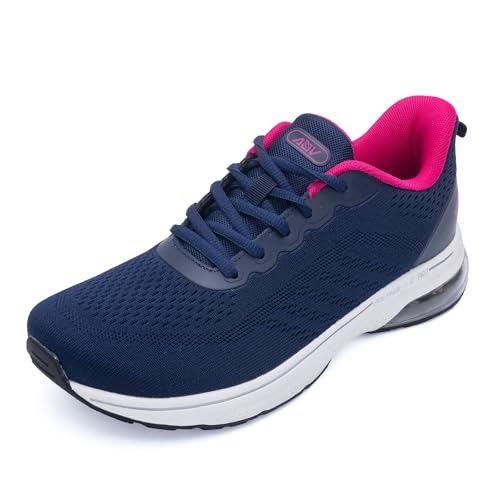
Running shoes designed for plantar fasciitis often prioritize arch support and cushioning, which can actually help with tennis. The wide toe box prevents overcrowding, reducing pressure on feet during quick lateral movements. Arch support stabilizes the foot, cutting down on strain during aggressive groundstrokes. If your running shoes offer these features, they can work for tennis—just ensure they’re durable enough for court demands.
6. Supportive Running Shoe

Running shoes like the supportive Black/Biscuit model are designed for endurance, not sudden bursts. Their cushioning helps absorb impact, which is useful if you play tennis occasionally. The arch support keeps feet stable during quick lateral movements. However, tennis demands sharp turns and explosive action, so these shoes may not match the grip or responsiveness needed for that sport. Stick to court shoes for tennis to avoid discomfort or injury.
7. Trail Running Sneakers
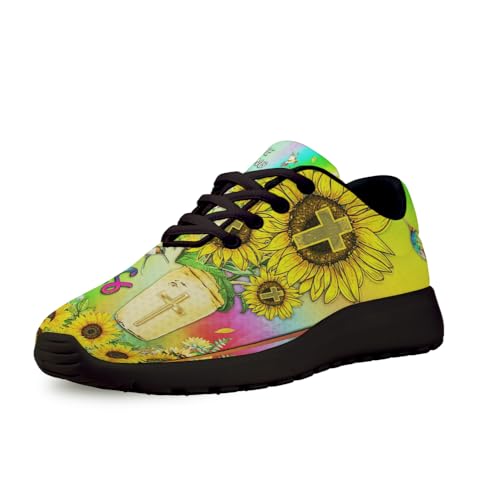
Running shoes aren’t ideal for tennis due to their lack of lateral support and cushioning tailored for side-to-side movements. Tennis shoes grip well and offer firm footing, which is critical for quick pivots and aggressive groundstrokes. If you must wear running shoes, opt for lightweight, flexible models with good traction—like those designed for casual wear—to reduce strain on joints. They’ll lack the stability for hard court surfaces, though.
8. Comfortable Arch Support Insoles

Running shoes aren’t made for tennis’s lateral movements, so they lack the necessary grip and support. If you wear them, you risk blisters, ankle strain, or uneven foot pressure. For tennis, you need insoles that match the shoe’s design—arch support and shock absorption are critical. These insoles trim to fit, so they’ll adapt to your sneaker’s shape, preventing discomfort during quick cuts and jumps.
9. Running Sneakers

Running shoes like these are built for cushioning and stability, which helps reduce impact during fast lateral movements. Their lightweight design and breathable materials keep feet cool, but they lack the firm court support tennis shoes provide. For tennis, you’d want grip and ankle reinforcement—these shoes prioritize comfort over traction. If you’re casual, they’ll work, but for the court, consider specialized footwear.
10. Inspirational Running Socks

No, you shouldn’t wear running shoes for tennis—they lack the necessary support and flexibility for the court’s demands. Running shoes prioritize cushioning and stride, while tennis shoes focus on lateral movement and ankle stability. Ankle socks like the ones described help with motivation and confidence, but the shoes themselves must match the sport’s needs. For tennis, proper court shoes ensure safety and performance.