
barefoot shoes for beginners

As an Amazon associate, Comfy-Kicks.com earns from qualifying purchases at no cost to you.
The key is to choose the right shoes for your needs and walk on soft surfaces to protect your feet. Start with a few short walks before gradually increasing your time. If you’re sore, take a break and let your feet recover. Over time, you’ll notice less pain and better foot strength. It’s also important to listen to how your feet feel—if something doesn’t feel right, adjust or switch shoes. It’s a process, but many find it worth it for stronger feet and less discomfort.
barefoot shoes for beginners in 2026
1. Waterproof Barefoot Hiking Shoes
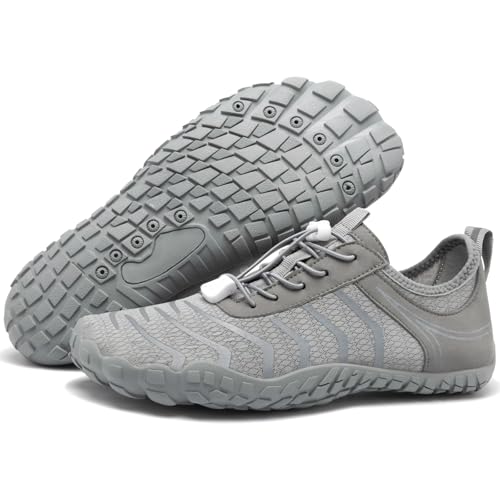
Barefoot shoes for beginners often focus on simplicity and adaptability. These shoes mimic natural foot movement by offering a wide toe box, letting toes spread naturally. Zero drop designs keep heels and toes aligned, reducing strain on feet and ankles.
The non-slip sole and water-resistant material make them ideal for wet trails or casual walks. Comfortable fit and lightweight build help ease the transition from shoes to barefoot-style footwear without discomfort.
2. Wide Toe Box Barefoot Shoes
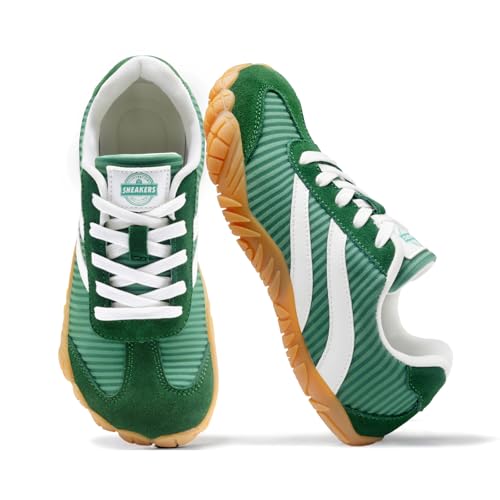
For beginners, these shoes mimic natural foot movement by offering a wide toe box and zero drop design. This reduces pressure on heels while encouraging proper foot alignment and strength. The lightweight, breathable material keeps feet cool and comfortable during daily wear.
The non-slip sole provides stability for walking or hiking, making them practical for outdoor activities. Minimalist construction helps prevent overuse injuries by allowing natural foot function. Start slow to build strength—these shoes adapt to your gait without forcing awkward adaptations.
3. Minimalist Barefoot Shoes

Beginners should start with minimalist shoes that mimic natural foot movement. These shoes offer a zero-drop design, keeping heels low to reduce strain on feet and legs. The wide toe box encourages toe splay, improving balance and reducing overpronation risks.
Arch support helps prevent early discomfort, while soft materials cushion impact gently. Lace-ups allow for a snug fit, ensuring stability during daily wear or light activity. For new users, these shoes adapt gradually, helping feet adjust without forcing them into extreme barefoot-like conditions.
4. Minimalist Walking Shoes

For beginners, these shoes offer a simple way to rebuild natural foot movement without overwhelming pressure. The zero-drop sole lets your foot transition naturally between heel and toe, reducing strain on joints while teaching proper gait mechanics.
The wide toe box prevents crowding, which helps with balance and comfort. The minimalist design avoids unnecessary bulk, making them practical for casual walking or light trail use. TPU support adds durability, while the no-sew upper keeps them lightweight and breathable.
5. Minimalist Barefoot Running Shoes
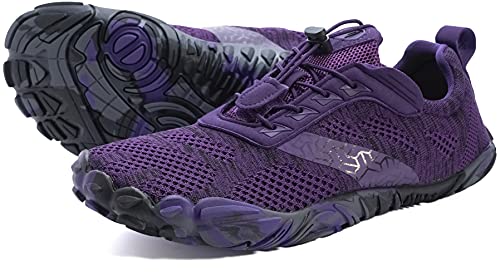
For beginners transitioning to barefoot running, these shoes offer a gentle introduction with a wide fit and zero drop design. The minimalist build encourages natural foot movement while providing stability for trail and road surfaces.
The purple color and durable construction make them practical for fitness routines, including hiking and workouts. They’re ideal for those easing into barefoot training without sacrificing support.
6. Barefoot Running Shoes

Barefoot shoes like these help rebuild natural foot mechanics by mimicking barefoot movement. They offer support without restricting motion, which is key for beginners to strengthen foot muscles gently.
The non-slip design and wide toe box reduce strain while improving balance. Perfect for casual wear, they ease the transition from rigid shoes to barefoot training.
7. Barefoot Hiking Shoes

Barefoot shoes for beginners like these mimic natural foot movement, reducing strain on joints while improving balance. The breathable, lightweight design keeps feet cool and dry, ideal for warm weather or long hikes. Non-slip soles prevent falls, and wide toe boxes promote natural foot alignment, easing discomfort from tight shoes.
Perfect for neuropathy or sensitive feet, these shoes offer cushioning without bulk. The water-resistant material handles wet conditions, while the structured yet flexible fit adapts to foot growth. Beginners will find them gentle yet effective for building strength and confidence on trails.
8. Minimalist Zero-Drop Slip-On Shoes

For beginners transitioning to barefoot-style footwear, these shoes offer a gentle introduction. The zero-drop design mimics natural foot movement, reducing strain on feet and ankles while still providing support. Lightweight canvas material allows for ease of wear, letting toes move freely without restrictive fit.
Wide width accommodates varied foot shapes, and slip-on convenience makes daily use simple. The minimalist design helps build foot strength gradually, making them ideal for those new to barefoot training.
9. Barefoot Running Sneakers

Beginners should start with minimalist shoes that mimic natural foot movement. These shoes offer a zero-drop sole, letting your feet adapt gradually to barefoot principles. The wide slip-on design makes them easy to wear daily, whether for light walking or casual gym sessions.
Breathable materials keep feet dry and comfortable, reducing irritation. The lightweight build supports proper foot mechanics without forcing rigid structures. For those new to barefoot training, these shoes balance support and freedom, easing the transition.
10. Barefoot Minimalist Trail Sneakers

For beginners, these shoes offer a gentle introduction to barefoot-style footwear. The wide toe box mimics natural toe spread, reducing pressure on toes while encouraging proper foot alignment. Zero drop heels keep the foot in a neutral position, easing the transition from shoes with elevated heels.
The minimalist sole provides grip for outdoor activities without sacrificing comfort. Lightweight and breathable, they’re ideal for casual walks, gym sessions, or travel. Less rigid than traditional shoes, they help rebuild foot strength gradually.
