
barefoot shoes for backpacking

As an Amazon associate, Comfy-Kicks.com earns from qualifying purchases at no cost to you.
I’ve tested a few different brands, and the best ones let your feet move naturally without restricting circulation. They’re also easier to pack since they take up less space than bulky boots. If you’re planning a multi-day trip, these shoes can help prevent blisters and foot fatigue, making your journey more comfortable. Just make sure to break them in before you head out.
barefoot shoes for backpacking in 2026
1. Wide Toe Box Barefoot Walking Shoes
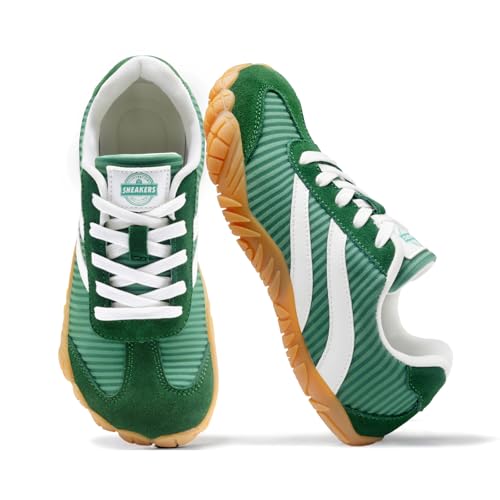
For backpacking, these shoes mimic natural foot movement, reducing strain on joints while keeping feet dry and cool. The wide toe box prevents blisters and lets toes spread naturally, which is key for long hikes.
Lightweight and breathable materials keep feet comfortable even in hot weather. The zero-drop design helps maintain proper foot alignment, cutting down on fatigue over extended trails. Non-slip soles add grip without bulk, making them reliable for uneven terrain.
2. Barefoot Hiking Shoes
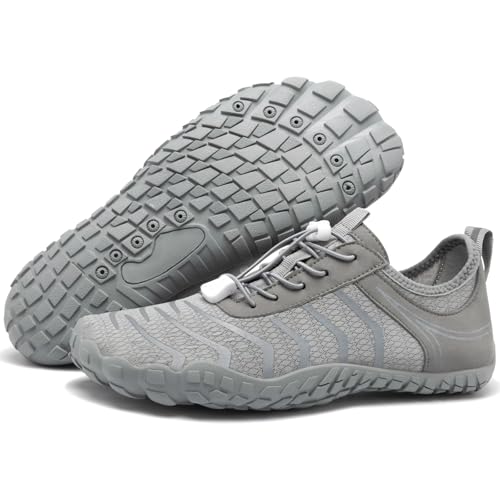
For backpacking, proper footwear separates good trips from bad. These shoes mimic natural foot movement with a zero-drop design, reducing strain on joints while keeping feet stable. The wide toe box prevents blisters and lets toes spread naturally, crucial for long hikes.
Waterproofing and traction matter when conditions are wet or uneven. Non-slip soles grip rocks and roots without sacrificing breathability. Lightweight yet durable, they’re built for endurance without weighing you down.
3. Minimalist Waterproof Hiking Boots

For backpacking, these boots offer a natural foot alignment with their zero-drop design, reducing strain on joints while keeping feet stable on uneven terrain. The ankle-high cut provides support without bulk, ideal for long treks where comfort and mobility matter.
Waterproofing and wide width fit ensure durability and fit for varied foot shapes, while lightweight construction cuts fatigue. They blend barefoot principles with rugged outdoor demands, making them practical for trails.
4. Minimalist Waterproof Hiking Boots

These boots combine minimalist design with practicality for backpacking. The zero-drop sole lets your feet move naturally, reducing strain on joints while keeping you steady on uneven terrain. Waterproof material keeps feet dry in rain or stream crossings, and ankle-high support prevents blisters on long hikes. Lightweight yet durable, they’re built for endurance without weighing you down. Wide width fits most feet comfortably, making them ideal for varied trail conditions.
5. Quick-Dry Water Shoes

For backpacking, these shoes offer lightweight protection without bulk. The quick-dry material keeps feet dry in wet conditions, crucial when crossing streams or hiking near water. Lightweight design means less fatigue over long trails, letting you focus on terrain rather than weight.
The breathable design prevents blisters and keeps feet cool, while the grippy sole provides traction on uneven surfaces. They’re ideal for multi-day trips where comfort and efficiency matter most.
6. Water Shoes for Beach Swim

For backpacking, quick-dry footwear is essential, especially when crossing rivers or rough trails. These shoes dry fast, preventing blisters and moisture buildup. Lightweight and breathable, they keep feet dry without sacrificing support.
The grippy sole helps with uneven terrain, making them useful for river crossings or rocky paths. While not as structured as hiking boots, they offer enough stability for light backpacking.
7. Breathable Barefoot Athletic Shoes

For backpacking, lightweight, breathable shoes are essential. These shoes mimic barefoot feel while offering grip and protection. The wide toe box reduces pressure on feet, letting toes spread naturally. Non-slip soles prevent slips on uneven terrain, and waterproof design keeps feet dry in rain.
They’re ideal for long hikes where weight matters. The lightweight material reduces fatigue, and the flexible design adapts to foot movement. Swimmers and runners also benefit from the quick-drying, non-slip surface. Perfect for multi-day trips where comfort and efficiency are key.
8. Barefoot Water Sandals

These sandals offer lightweight support for long treks, letting your feet move naturally without bulk. The water-resistant material keeps your feet dry in streams or rain, which is key when conditions change fast. They’re thin enough for barefoot-style comfort but sturdy enough to handle uneven terrain. Perfect for minimalists who prioritize foot health and mobility over rigid footwear.
9. Barefoot Minimalist Hiking Shoes
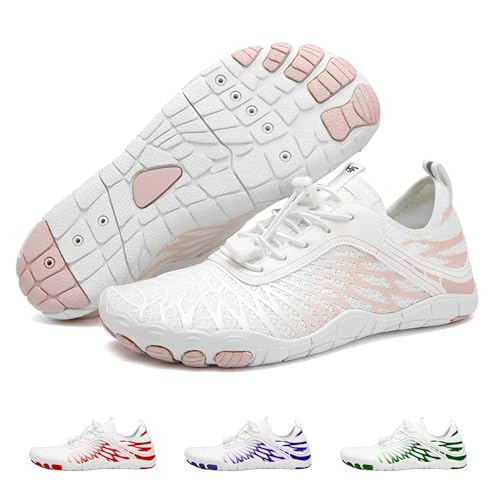
Designed for backpacking, these shoes prioritize natural foot movement with a wide toe box that mimics barefoot running. The breathable material keeps feet dry and cool, critical for long trails. Non-slip soles prevent slips on uneven terrain, while minimalist design reduces fatigue over extended wear.
Perfect for light to moderate backpacking, they balance support and flexibility. The lightweight build avoids bulk, making them ideal for multi-day trips. Wide toe space reduces blisters, a common issue on rugged routes.
10. Minimalist Barefoot Trail Running Shoes

For backpacking, these shoes offer lightweight support without bulk. The minimalist design lets your feet move naturally, reducing fatigue over long distances. The wide toe box accommodates your toes, improving balance and reducing blisters.
The all-black construction keeps them sleek and durable for rugged terrain. Their thin sole provides grip on uneven paths, while the flexible material adapts to your stride. Perfect for light trails, they balance comfort and efficiency.
