As an Amazon associate, Comfy-Kicks.com earns from qualifying purchases at no cost to you.
Choosing the right shoes for deadlifting isn’t just about comfort—it’s about safety and performance. A good pair helps distribute weight evenly, keeps your feet stable, and prevents awkward slippage on the floor. Without proper support, your form can break down, leading to strain or injury over time. Look for shoes with a flat sole and a slight arch to match your natural foot shape, so your ankles stay locked in during the lift.
I’ve seen too many lifters suffer from bad footwear. A stiff sole won’t let your toes grip the floor, and flimsy heels can throw off your balance. Stick to models designed for lifting, not running or walking. A firm heel lift is fine if you prefer, but avoid anything too soft or flexible—your feet need to stay locked in tight. Pick something durable, too, since deadlifting is tough on shoes.
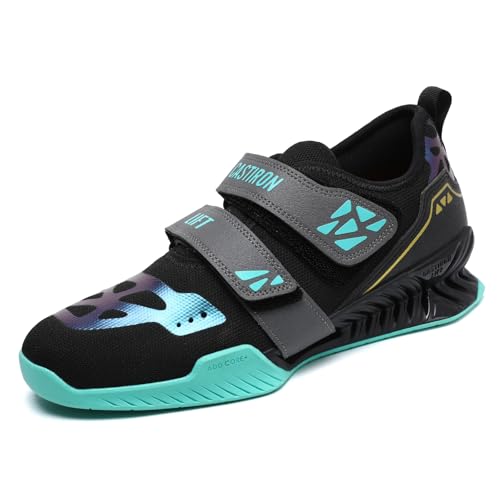
Deadlift shoes provide the support and stability deadlifters need without sacrificing natural foot movement. The flat, rigid sole locks your foot in place, keeping your shins aligned with the barbell for proper form and power transfer.
The right deadlift shoe reduces knee strain while maintaining ankle mobility, letting you lift heavier with less risk of injury. Obsidian Black models offer durability and a sleek look for serious lifters.
Deadlifts demand grip and stability, and these shoes deliver. The thick rubber sole locks you into place, preventing unwanted shifts during heavy lifts. The snug fit keeps your feet secure, letting you focus solely on the weight—no extra movement distracts you from form.
For squats and deadlifts alike, the reinforced structure supports your ankles and knees. The deep grip sole resists slipping, while the sleek design stays with you through sessions. Whether you’re pressing heavy loads or maintaining balance, these shoes keep you locked in.
These shoes provide the deadlifter with a locked-in base and secure footing, critical for lifting heavy loads without slipping. The non-slip rubber sole grips the floor while the wide toe box prevents foot from cramping or shifting mid-lift, keeping your form tight.
The built-in heel support elevates your platform, aligning your joints properly for maximum power output. The stability ensures you stay planted, reducing strain on your lower back and knees, which is vital for consistent deadlift performance.
Deadlifting demands stability, support, and grip to protect your back and maximize lift. The Skerxut Fitness Deadlift Shoes provide a firm, non-slip sole that locks your feet in place during heavy loads. The reinforced arch and padded collar reduce strain on your knees and feet, letting you focus on lifting rather than discomfort. The cross-trainer design keeps them versatile for other workouts too.
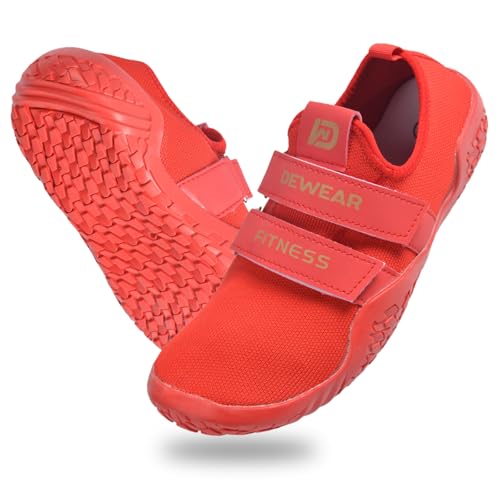
For deadlifting, proper footwear keeps your grip tight and reduces foot fatigue. These shoes offer a zero-drop design, letting your feet stay flat on the floor, which aligns your spine and improves lift efficiency. The wide toe box prevents pinched toes, keeping your feet comfortable during heavy loads.
Minimalist construction means less bulk, so your legs stay free for better movement. The sturdy build resists wear, letting you focus on the lift without worrying about slipping or breaking. Black/gum finish grips the floor well, while the lightweight material cuts down on fatigue.
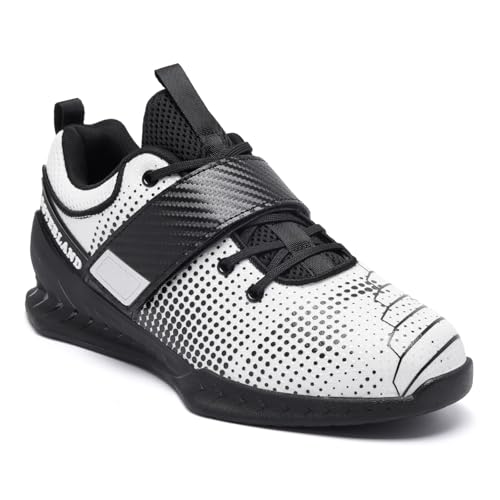
If you’re deadlifting, the right shoes can make a difference in your performance. Osterland shoes offer a flat, stable base to keep your feet planted firmly under the barbell, reducing strain on your lower back while allowing for a deeper hip hinge. The durable, non-marking rubber sole grips the floor, ensuring you won’t lose your footing during heavy lifts.
For powerlifters, these shoes prioritize ankle support and a wide toe box to prevent excessive arch collapse. The reinforced stitching and thick cushioning absorb impact, keeping your joints comfortable during squats and deadlifts. They’re built for serious training, so you can focus on lifting without worrying about foot fatigue.
For deadlifting, the right footwear keeps your feet stable and aligned under the weight. A non-slip sole prevents slipping during heavy pulls, while a slight heel elevation helps position your shins properly for a neutral stance. This setup reduces strain on your lower back and improves grip on the barbell.
The strap-and-lace design keeps your feet secure without restricting natural foot movement. A consistent heel height ensures consistent form across reps, which is critical for deadlifts where small adjustments can make a big difference in performance.
Men’s and women’s deadlifting shoes provide the platform and support needed for maximum lift performance. The non-slip rubber sole grips the floor, preventing sudden shifts that could throw off form or cause injury during heavy pulls.
These shoes keep the feet flat under the bar, allowing full ankle extension and reducing strain on the lower back and knees during the lift. The raised heel also shifts body weight forward, improving stability and power transfer.
Deadlifting requires stability and grip to keep your form tight, and the right shoes make all the difference. A solid rubber sole with deep traction prevents slipping under heavy loads, while a flat, wide base keeps your feet planted securely. This setup helps you maintain a straight back and lift with control, reducing strain on your lower back and joints.
The design keeps your feet stable during the lift, especially during the hard pull when weight shifts forward. A non-slip sole also helps with balance on uneven surfaces, whether you’re deadlifting on a platform or in a gym. These shoes are built for serious lifters who demand precision and safety in every rep.
For deadlifting, proper footwear matters more than most people realize. These shoes offer a zero-drop design, keeping your feet flat on the ground while lifting, which helps maintain natural ankle alignment and reduces strain on your lower back. The wide toe box allows your toes to spread naturally, improving grip and balance during heavy lifts.
The lightweight, slip-on style prevents foot fatigue and keeps your focus on form. The reinforced sole provides stability without sacrificing flexibility, which is key when locking out at the top of the lift. If you’re lifting frequently, these shoes could help you move more efficiently and reduce injury risk.
Snow plows work hard in freezing weather, so the right shoes make a big difference. You need traction to stay balanced on icy surfaces, so thick rubber soles wi…
The 1960s brought a bold shift in men’s footwear, blending sharp business styles with laid-back cool. Brands like Brooks Brothers and Allen Edmonds dominated wi…
Mary Jane clog shoes have made a noticeable comeback in recent years, blending classic design with modern comfort. Originally rooted in practical workwear, thes…
Choosing the right training shoes for flat feet is important because your feet take a lot of wear and tear, especially if you’re active. Flat feet mean your arc…
Extra-wide slip-on shoes for women are a game-changer for those with wider feet or who simply prefer the ease of no laces. These shoes offer comfort and conveni…
Shoes matter when you lift weights, plain and simple. The right pair gives you stability, support, and a solid base so you can focus on your form instead of you…