
training shoes for flat feet

As an Amazon associate, Comfy-Kicks.com earns from qualifying purchases at no cost to you.
Look for shoes with good arch support and thick, responsive midsoles. These help keep your feet stable and reduce strain on your joints. Brands that specialize in motion control shoes often do a good job for flat feet, but don’t overlook midsole cushioning from any brand—it makes a difference. Also, make sure the shoes fit well and aren’t too tight or loose. If you’re unsure, try them on with the socks you’ll wear, and walk around a bit to check for comfort. A little extra investment in good shoes can save you from aches later.
training shoes for flat feet in 2026
1. Minimalist Zero-Drop Footwear

Flat feet need support that mimics natural foot movement. These shoes offer a wide toe box and zero drop design, reducing strain on arches while promoting balanced weight distribution. The minimalist, grounded construction helps maintain foot alignment during workouts, cross-training, or hiking. Black models are durable for daily use, keeping feet stable without excessive padding.
2. Barefoot Running Shoes Minimalist

For flat feet, proper arch support is key, but too much cushioning can disrupt natural movement. These minimalist shoes encourage toe splay and foot stability without forcing an awkward drop. The zero-drop design helps maintain a neutral stride, reducing overpronation while letting your feet adapt to uneven terrain.
The big toe box promotes natural foot alignment, easing pressure on the arch. Lightweight and breathable, they prevent blisters while allowing your feet to strengthen. Ideal for runners with flat feet, they balance support and motion without sacrificing comfort.
3. Minimalist Gym Shoes

These shoes offer a zero-drop design, which means no heel-to-toe elevation, helping maintain natural foot alignment during flat-foot exercises. The minimalist build supports arch stability while allowing for natural foot movement, reducing strain on the feet and lower back. The gum sole provides grip for deadlifts and walking, keeping feet secure without sacrificing flexibility. Ideal for those who train with flat feet, they reduce overpronation and promote better posture.
4. Women’s Minimalist Walking Sneakers

These shoes support flat feet by mimicking natural foot movement. The zero-drop design lets your arch stay relaxed, reducing strain on the foot and ankle during intense workouts. Thin soles encourage a grounded feel, improving balance and stability without extra cushioning that can misalign your foot structure. Lightweight and slip-on, they’re ideal for tennis, cross-training, or daily wear when you need foot alignment over padding.
5. Lightweight Running Tennis Shoes

For flat feet, stability and support are key. These shoes feature a reinforced arch design to distribute weight evenly, reducing strain on overpronated feet. The non-slip sole prevents sudden shifts, keeping you steady during dynamic movements.
Breathable mesh keeps feet dry, lowering the risk of blisters or fungal issues. Lightweight construction means less fatigue, ideal for long training sessions. The cushioning absorbs impact, protecting joints while maintaining agility.
6. Plantar Fasciitis Arch Support Insoles
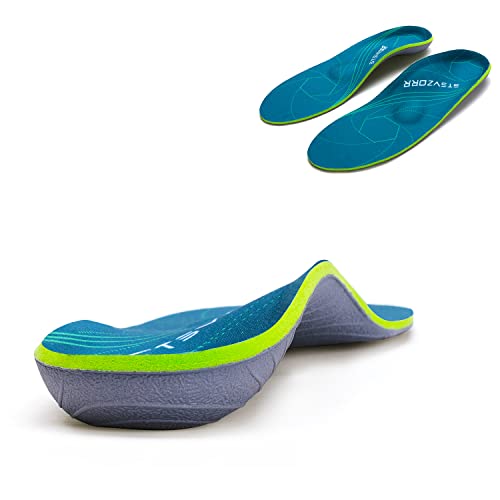
For flat feet, arch support insoles help distribute weight evenly across the foot, reducing strain on the plantar fascia and heel spurs. They provide stability during running, minimizing shock absorption needed in training shoes. Proper arch support can ease chronic heel pain and prevent overpronation.
Running inserts with shock absorption in size 7–7½ fit well in training shoes, cushioning impact while maintaining foot alignment. These insoles target plantar fasciitis by reducing tension on the arch and heel. They’re critical for runners with flat feet, ensuring comfort and injury prevention.
7. Minimalist Barefoot Trail Runner Sneakers
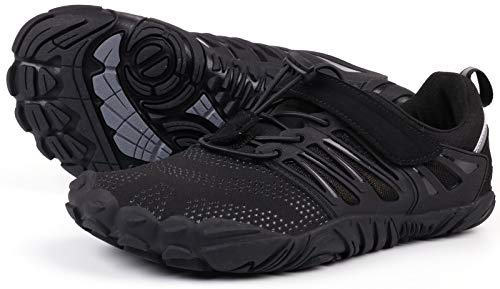
Designed for runners with flat feet, these shoes offer a wide toe box to reduce pressure on the arch while maintaining stability. The minimalist design encourages natural foot movement, easing overpronation and reducing joint strain during cross-training.
The all-black, lightweight build supports treadmill and trail workouts without sacrificing comfort. The tread provides grip for varied surfaces, making them practical for gym and outdoor sessions.
8. Wide Toe Minimalist Sneakers

Designed for flat feet, these minimalist shoes offer a wide toe box to reduce pressure on the arch. The zero-drop construction encourages natural foot alignment, easing overpronation during walks or runs. The flexible, barefoot-inspired design supports proper foot mechanics without forcing an awkward stance. Ideal for training, they help maintain balance and reduce strain on the feet.
9. Rubberized Running Shoes

These shoes offer solid support for runners with flat feet by prioritizing stability and cushioning. The Gel-Venture design absorbs impact well, reducing strain on overpronated feet during long runs. The thick, responsive foam keeps joints cushioned while encouraging natural movement. The firm yet flexible midsole helps control overpronation, which is key for those who need extra arch support. The durable outsole grips pavement, keeping you steady even on uneven terrain.
10. Training Shoes

These shoes offer solid support for flat feet with their thick, cushioned midsole, which absorbs impact well. The firm yet flexible outsole provides stability without restricting natural foot movement. The gum rubber grip keeps you steady during intense workouts, reducing strain on arches. The sizing fits true to measure, so the 11 US should align well with most flat-footed runners.
