
good shoes for pronated feet

As an Amazon associate, Comfy-Kicks.com earns from qualifying purchases at no cost to you.
Stick to shoes with a wide toe box so your toes don’t cramp up, and avoid flimsy or overly rigid designs. If you’re active, motion-control shoes might help, but for daily wear, cushioned comfort shoes with a firm heel lock work best. Check the fit before buying—your feet swell slightly, so leave room for that. Don’t ignore discomfort; if your shoes feel off, swap them out before it turns into pain.
good shoes for pronated feet in 2026
1. Orthotics for Over-Pronation & Flat Feet
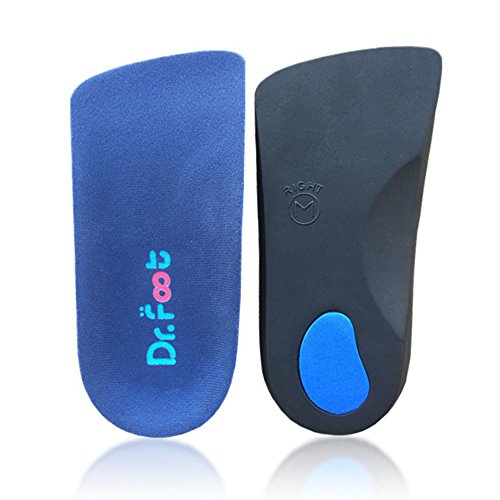
For over-pronation or flat arches, the right shoes must support your feet properly. These insoles fit inside standard footwear, providing arch support and cushioning that reduces strain on the feet and lower legs. They help distribute weight evenly, easing pain from conditions like plantar fasciitis or heel spurs.
Worn with proper footwear, they prevent excessive rolling inward, keeping your stride stable. They’re ideal for daily wear, offering relief without bulk. Choose shoes that accommodate them well to maximize comfort and function.
2. Orthopedic Road Running Shoes

For pronated feet, proper arch support is critical to prevent overuse injuries. These shoes feature firm, cushioned midsoles designed to correct alignment and distribute weight evenly. The reinforced arch structure reduces strain on the feet, making them ideal for daily wear or active outdoor use.
The thick, supportive sole also helps with bunions and plantar fasciitis by stabilizing the foot’s structure. The durable, flexible design suits trail running, driving, or casual travel without compromising comfort. Rose color adds a stylish touch while maintaining functionality.
3. Pronation Orthotic Insoles
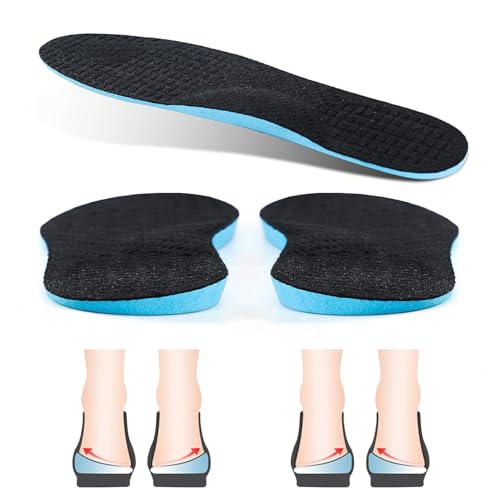
For pronated feet, these insoles provide targeted support by gently guiding your foot’s roll inward, reducing strain on arches and heels. They ease plantar fasciitis pain by distributing pressure evenly, which helps with flat feet and leg alignment issues like O/X type legs or bow legs. The design fits well in most shoes, offering relief without bulk.
They’re ideal for those with heel pain, as they cushion impact while correcting overpronation. Unlike generic insoles, these focus on long-term foot health by stabilizing gait and reducing repetitive stress injuries. A simple, effective upgrade for any shoe collection.
4. Fresh Foam Running Shoe

This shoe offers excellent arch support with its Fresh Foam midsole, which gently guides your foot’s roll while reducing strain on the pronated foot. The responsive cushioning absorbs impact, keeping joints comfortable over long runs.
The durable outsole provides traction and stability, helping maintain proper alignment for those who naturally pronate. The snug fit ensures minimal slippage, keeping your foot secure during movement.
5. High Arch Support Insoles

For runners and walkers with over-pronation, proper arch support is key to preventing pain and injuries. These inserts provide firm cushioning that stabilizes the foot’s natural alignment, reducing strain on the plantar fascia and Achilles tendon. They’re designed to fit well in most shoes, offering consistent relief without bulk.
If you’ve got flat feet or plantar fasciitis, these insole inserts help distribute weight evenly. The high arch support keeps the foot’s structure intact, easing stress on the joints. They’re built for daily use, making them a practical choice for anyone who needs extra foot protection.
6. Orthotic Shoe Inserts for Pain Relief

Good shoes for over-pronated feet need firm arch support and shock absorption to keep the foot aligned properly. These insoles provide that structure, reducing strain on heels and plantar fascia. They help maintain natural foot mechanics, easing pain from flat feet or high arches while distributing weight evenly. Proper support in shoes means less fatigue and fewer injuries over time.
7. Orthotics for Over-Pronation

For pronated feet, proper arch support is key. These inserts help distribute weight evenly, reducing strain on heels and the lower back. They’re designed to correct overpronation, easing tension in legs and knees over time.
Worn in good shoes, they cushion heel pain while maintaining flexibility. The gel padding absorbs shock, protecting joints and joints from long-term wear. Flat feet benefit most, but they work for mild arch issues too.
8. Corrective Foot Inserts
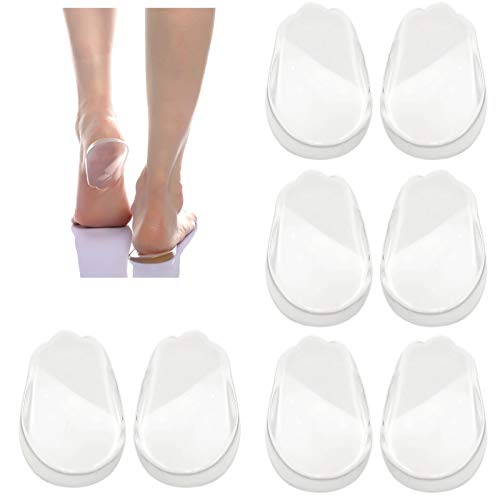
For pronated feet, orthopedic insoles with medial and lateral heel wedges help realign the foot’s natural arch alignment. These inserts distribute weight evenly, reducing strain on knees and hips. Silicone materials mold to foot shape, offering long-lasting support without bulk.
A height-increase shoe pad corrects overpronation or supination by adjusting leg alignment. Transparent O/X type pads adjust for O-shaped or X-shaped leg patterns. They improve gait efficiency and reduce joint stress over time.
9. Orthopedic Heel Wedges Inserts

For pronated feet, proper support is key to easing pain and preventing misalignment. These insoles adjust to correct overpronation, distributing weight evenly across the foot. They reduce strain on knees and lower back by stabilizing the arch, making them ideal for those with bow legs or chronic knee discomfort.
The three-layer design offers arch support, shock absorption, and flexibility. They fit well in most shoes, helping realign the foot naturally. If you’ve struggled with flat feet or overpronation, these insoles can make a noticeable difference in comfort and alignment.
10. Foot Alignment Corrective Inserts
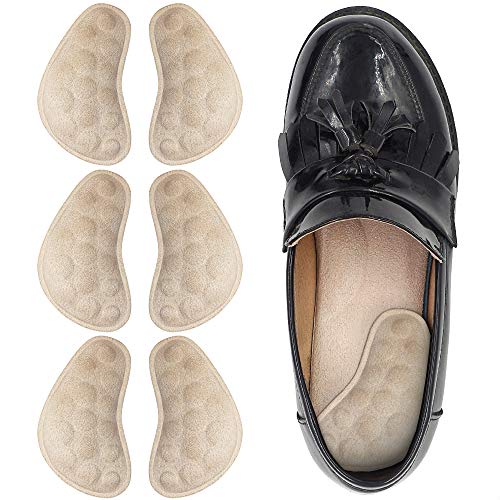
Pronated feet strain joints over time, leading to knee pain and arthritis. These inserts provide targeted support by gently shifting weight toward the arch, reducing overuse injuries. The medial wedge helps stabilize the knee, while the lateral wedge corrects bow legs by aligning the foot’s natural alignment.
For those with osteoarthritis or chronic discomfort, these insets distribute pressure evenly. Three beige pairs ensure consistent support without bulk. Proper alignment through these shoes keeps joints healthier long-term.
