
good shoes for pronation feet

As an Amazon associate, Comfy-Kicks.com earns from qualifying purchases at no cost to you.
Look for shoes made with thick, supportive midsoles and a firm heel counter to keep your foot in place. Brands like Brooks, Hoka, and Asics make great options with their built-in arch support and shock-absorbing materials. Don’t forget to try them on and walk around a bit to make sure they fit right—no extra room at the toe or too much pressure. If you’re still unsure, a podiatrist can help you find the perfect pair.
good shoes for pronation feet in 2026
1. Flat Feet Support Insoles

For feet that roll inward too much, stability insoles help keep alignment steady. They reduce strain on joints by controlling motion, which is key for flat feet or low arches. Proper support prevents overuse injuries and keeps movement smooth.
Trimmed to fit shoes, these insoles adapt to your gait. They’re designed to match the needs of pronation-prone feet, offering arch lift and cushioning. Good shoes with these insoles help maintain balance and reduce fatigue over time.
2. Orthotic Arch Supports Inserts

For those with over-pronation or fallen arches, proper foot support is key. These insoles provide structured arch support to redistribute weight naturally, reducing strain on the feet and lower legs. They help prevent common issues like plantar fasciitis by cushioning the heel and offering firm medial support.
The design also corrects abnormal foot mechanics, keeping the foot aligned properly. This consistency reduces long-term wear on joints, making them a smart choice for daily wear in supportive shoes.
3. Heavy Duty Arch Support Insoles

For heavy pronation, the right insole keeps your foot aligned properly, reducing strain on tendons and ligaments. These inserts offer firm arch support to stabilize your gait, cutting down on pain over time. They’re built for daily wear, especially in work boots, where shock absorption is key.
If flat feet or overpronation cause discomfort, these orthotic inserts distribute weight evenly. The material absorbs impact, protecting joints while maintaining comfort. They’re designed for those who need extra support without sacrificing flexibility.
4. Orthotic Heel Inserts

For pronation-prone feet, arch support is critical. These insoles provide firm medial arch support, reducing overpronation and easing strain on the foot’s natural structure. Flat feet benefit most, as they distribute weight evenly to prevent pain in heels and arches.
Shock absorption is key for long-term joint health. The cushioning reduces impact from walking or standing, which helps with heel spur pain and fatigue. Proper alignment from these inserts keeps feet stable, making them ideal for work boots where support matters most.
5. Orthotic Arch Support Inserts
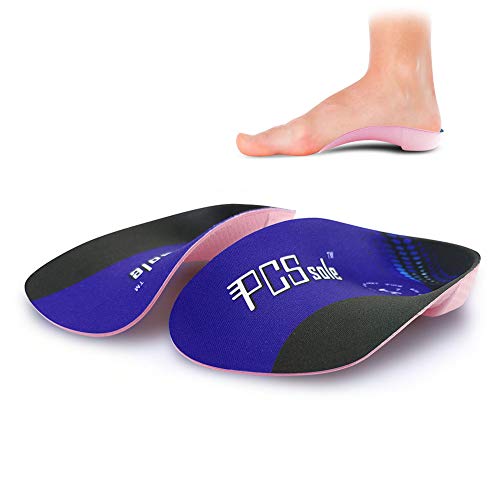
For pronation-prone feet, proper arch support is key. These insoles provide firm arch support to correct overpronation, reducing strain on the feet and lower legs. They distribute weight evenly, easing heel spur pain and plantar fasciitis discomfort.
Flat feet benefit too—these inserts offer structured cushioning to lift the arch naturally. The high-impact design helps maintain proper foot alignment, preventing long-term joint stress.
6. Plantar Fasciitis Orthotic Insoles

For pronation feet, proper arch support and shock absorption are critical. Heavy-duty insoles like these help redistribute weight evenly, reducing strain on overpronated feet. They’re built for long-term wear, offering durable cushioning that eases heel and arch pain without compromising stability.
If you wear work boots or shoes with flat soles, these inserts provide the extra structure needed to correct alignment. They’re ideal for those with flat feet or mild overpronation, ensuring comfort and reducing repetitive stress injuries over time.
7. Plantar Fasciitis Arch Supports Insoles

Good shoes with built-in support help manage pronation by keeping feet aligned properly. Flat feet or arch pain often cause overpronation, leading to heel and arch strain. Inserts provide cushioning and arch support to reduce fatigue and shock absorption during daily wear.
For those with pronation issues, these insoles help distribute weight evenly, easing muscle fatigue and preventing long-term discomfort. Pairing them with sturdy shoes ensures stability and comfort, especially over extended periods.
8. Plantar Fasciitis Orthotics
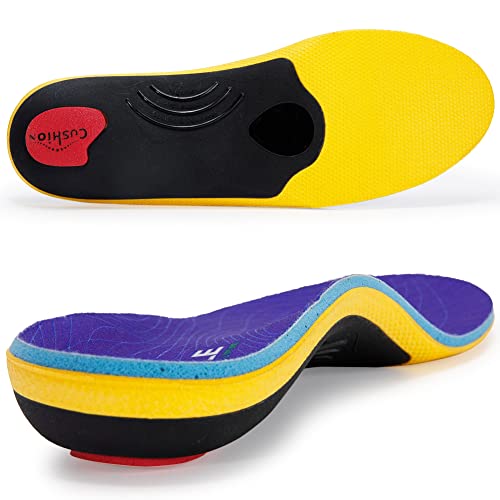
For those with plantar fasciitis, heavy-duty support is key—especially if you wear work boots or shoes all day. VALSOLE insoles provide deep arch support and shock absorption, easing heel pain by redistributing pressure. They’re built for wide weight distribution, so they won’t break down under 220+ pounds.
If you’ve got high arches or flat feet, these insoles help stabilize your feet, reducing overpronation. They fit most work boots and shoes, keeping your feet comfortable without extra bulk. Proper alignment means less strain on your feet and knees over time.
9. Arch Support Insoles
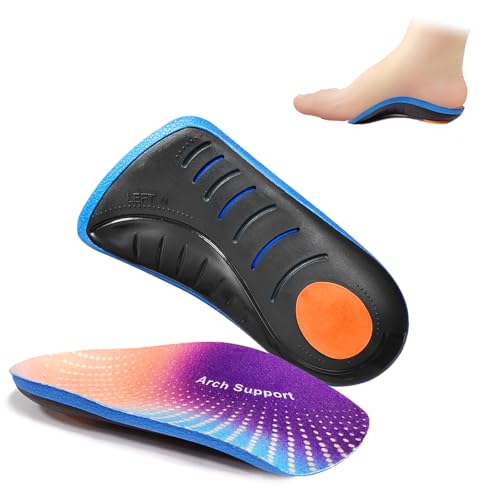
For those with over-pronation, customizable 3/4 orthotics fit snugly inside shoes to stabilize the foot’s natural roll. They distribute weight evenly, reducing strain on arches and heels, which helps ease heel pain and fatigue over time. The firm support prevents excessive inward tilt, keeping the foot aligned properly for long-term comfort.
High-arch users often feel instability, but these inserts mold to their foot shape, offering targeted cushioning. They relieve plantar fasciitis by reducing tension on the foot’s bottom, while flat feet benefit from slight arch elevation. Proper alignment cuts down on joint stress, making them a solid choice for any shoe designed for pronation-prone feet.
10. Heel Corrective Wedge Insoles
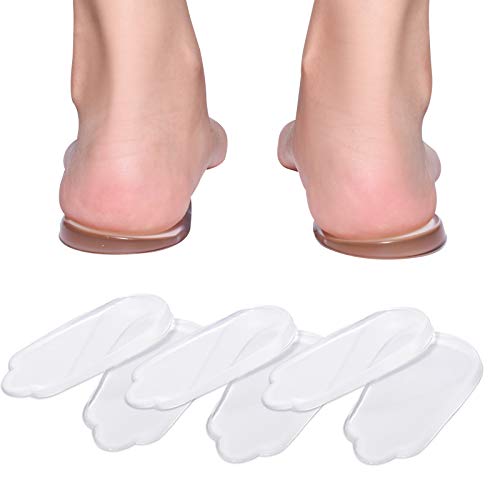
For pronation feet, medial heel wedges shift weight inward, reducing strain on the arch and preventing overuse injuries. Lateral wedges help those who roll too far outward, balancing pressure across the foot. Supination correctives gently guide the foot’s natural alignment, while pronation insoles deepen the curve to support the arch properly.
If knees or legs show knock-knee or bowing tendencies, proper foot alignment through gel inserts can realign posture. O/X leg types benefit from matching inserts to correct misalignment, easing joint stress. Good shoes with these inserts keep feet stable, reducing pain and improving movement efficiency.
