
can you use trail running shoes for hiking

As an Amazon associate, Comfy-Kicks.com earns from qualifying purchases at no cost to you.
For hiking, you’ll want shoes with thicker, more supportive soles to handle uneven surfaces and protect your feet from sharp debris. Many hiking boots offer better ankle support and longer-lasting materials, making them more reliable for extended travel. If you’re sticking with trail shoes, make sure they’re designed for hiking, not just running, and replace them when the tread wears down.
can you use trail running shoes for hiking in 2026
1. Running Shoes

These shoes excel on mixed terrain with deep traction and a durable outsole designed for uneven paths. The cushioning absorbs impact well, though it may feel firmer than pure trail shoes for long hikes.
The lightweight build and flexible design help with quick footwork, but they lack the reinforced toe caps common in hiking boots. Stick to them if you prioritize speed and comfort over rugged protection.
2. Trail Running Shoes

Trail running shoes like these are built for rugged terrain, offering grippy rubber soles and reinforced midsoles for stability. Their lightweight design and breathable upper keep feet dry and comfortable over long distances.
For hiking, they’re decent for light trails, but heavier loads or steep climbs may strain them. Look for extra ankle support if you’ll need it.
3. Trail Running Shoes

Trail running shoes excel for hiking due to their grip and durability. The non-slip soles handle uneven terrain well, while reinforced midsoles resist wear from rocks and roots. Lightweight construction keeps fatigue low, and breathable uppers prevent blisters on long trails.
They’re not ideal for extreme off-trail conditions, but for moderate trails, they offer comfort and traction. Just ensure they’re properly broken in before heavy use.
4. Wide Toe Trail Running Shoes

Trail running shoes like these offer solid traction and support for uneven terrain, making them adaptable for hiking. The grippy soles and reinforced midsoles help distribute weight well, though they’re not as durable for heavy backpacking.
For light trails or short hikes, they work fine, but expect wear faster than dedicated hiking boots. The fit may feel snug for wide feet, so test them before committing.
5. Trail Running Shoe
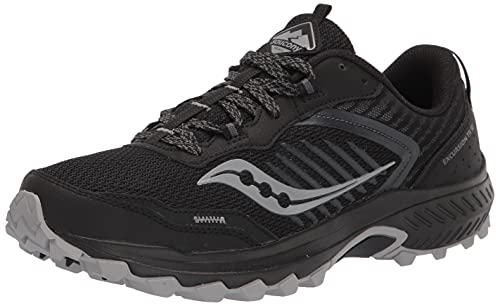
Trail running shoes like these are built for uneven terrain, offering grip and support for rocky or muddy trails. The durable outsole provides traction, while the padded midsole absorbs impact, making them suitable for light hiking.
They’re not ideal for heavy backpacking, but their flexibility and cushioning let you hike on rough paths without strain. Just check the weight and durability for your needs.
6. Trail Running Shoes

Trail running shoes designed for waterproof, non-slip performance are built for rugged terrain. Their lightweight yet durable construction handles uneven paths better than standard hiking boots. The grippy soles prevent slips on wet rocks or muddy trails, while the breathable yet water-resistant upper keeps feet dry in rain or damp conditions.
For extended hikes, these shoes offer flexibility and speed advantages over stiff boots. The snug fit reduces blisters, and the reinforced toe box protects against sharp debris. They’re ideal for quick treks or multi-day expeditions where comfort and efficiency matter.
7. Extra Wide Minimalist Trail Shoes

Trail running shoes designed for minimalist fit and zero drop can work for hiking if they offer sufficient ankle support and traction. Their lightweight construction and flexible soles help with uneven terrain, though stability may vary on rocky or steep paths.
For hiking, prioritize models with reinforced midsoles and durable outsole patterns. Extra-wide widths help with comfort on longer trails, but check if the design suits your gait and terrain needs.
8. Trail Running Shoes

Trail running shoes like these are built for rugged terrain, making them suitable for hiking. Their grippy soles handle uneven paths and loose rocks well, while lightweight construction keeps fatigue low. The reinforced toe cap and durable upper resist abrasion from roots or branches.
The breathable mesh and water-resistant materials shield feet from sweat and light moisture. For moderate trails, these shoes offer a balance of speed and stability without needing heavy-duty boots. Just ensure the fit matches your hiking demands.
9. Trail Running Shoe

Trail running shoes like the Dark Shadow model offer solid support for hiking, especially on uneven terrain. Their lightweight construction and durable build handle rocky paths well, while the wide fit accommodates blisters and swelling. The cushioning absorbs impact, reducing fatigue over long distances.
The toe box provides room for toes to spread naturally, which helps prevent strain on feet. The traction pattern grips loose soil or roots effectively. For moderate hiking, these shoes work well, though heavier loads may require more stability.
10. Wide Toe Box Minimalist Sneakers
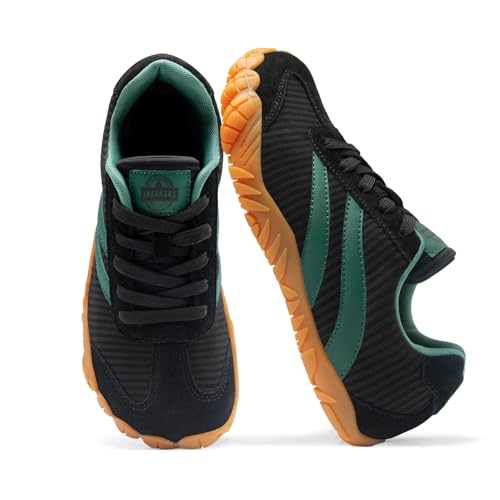
These shoes prioritize natural foot movement with a wide toe box and zero drop design, mimicking barefoot feel. They’re lightweight and breathable, ideal for long hikes where comfort and flexibility matter.
Trail running shoes excel in grip and cushioning, but hiking demands more stability. These models lack the structured support for uneven terrain, risking blisters or ankle strain. Stick to hiking-specific footwear for rough trails.
