
weighted shoes for training

As an Amazon associate, Comfy-Kicks.com earns from qualifying purchases at no cost to you.
If you’re just starting out, you’ll want to pick a weight that feels manageable at first. Too heavy too soon can lead to joint strain or injury. Start light, maybe around 5 to 10 pounds, and gradually increase as your body adapts. They’re not just for pros—they’re useful for everyday training too, helping you build strength without needing extra equipment. Just make sure they fit well and don’t slip while you’re moving.
weighted shoes for training in 2026
1. Plyometric Training Shoes

These shoes add controlled resistance for explosive plyometric drills. The extra weight forces your legs to work harder, building leg strength and power. Perfect for jump training, they mimic real-game conditions without overloading joints. Ideal for athletes needing to boost vertical leap safely.
2. Plyometric Training Shoes
These shoes add controlled resistance to your jumps, forcing your legs to work harder. The added weight trains your muscles to generate more force quickly, improving explosive power. Unlike free weights, they stay in place, letting you focus solely on technique and range of motion. Perfect for plyometrics, they build endurance while reducing injury risk by stabilizing joints. Athletes use them to sharpen vertical leap and speed.
3. Plyometric Training Shoes
Weighted training shoes like these add controlled resistance to your jumps, forcing your legs to work harder. The extra weight trains your muscles to generate more force quickly, improving explosive power. Unlike free weights, these shoes stay with you during every rep, ensuring consistent resistance without straining your joints.
Perfect for plyometric drills, they boost vertical leap by mimicking real-game conditions. The firm grip prevents slips, letting you focus solely on technique and strength. For serious jumpers, these shoes turn basic drills into high-performance tools.
4. Minimalist Zero-Drop Footwear
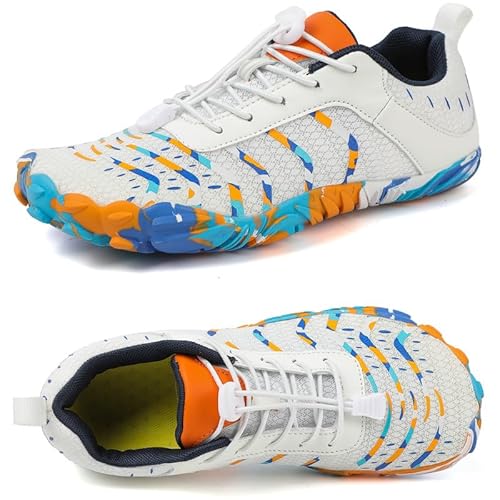
These minimalist, zero-drop shoes mimic natural movement by encouraging proper foot mechanics during workouts. The wide toe box prevents overcrowding, letting toes spread naturally, which reduces strain on joints and improves balance. Their lightweight design lets you lift heavier with less fatigue, while the grounded sole enhances stability for cross-training and hiking.
For weightlifting, the zero-drop keeps your foot aligned with your ankle, reducing knee and lower back stress. The water-resistant material handles sweat, keeping feet dry for longer sessions. Walking in them daily builds foot strength, making them practical for both gym and outdoor training.
5. Lightweight Wrestling Shoes

Men’s lightweight boxing shoes with micro suede grip excel for training by offering precise footing without bulk. The material grips sweat and surfaces, reducing slips during lifts or sparring. Black versions blend durability with sleek aesthetics, ideal for gyms where weight matters.
Weighted shoes enhance strength gains by adding resistance, forcing muscles to work harder. Micro suede keeps feet dry and secure, letting lifters focus on form. Perfect for powerlifting, bodybuilding, and conditioning—black models stand out in any workout setting.
6. Deadlift Weightlifting Shoes

Weightlifting shoes like these provide essential support for heavy lifts by elevating your heels, improving ankle mobility, and reducing strain on your lower back. The raised platform helps maintain proper form during deadlifts and squats, letting you lift more safely. The sturdy, grippy sole offers stability, while the snug fit prevents slippage during explosive movements. These shoes are ideal for serious lifters who need both structure and flexibility in their training gear.
7. Heavy Lifting Shoes
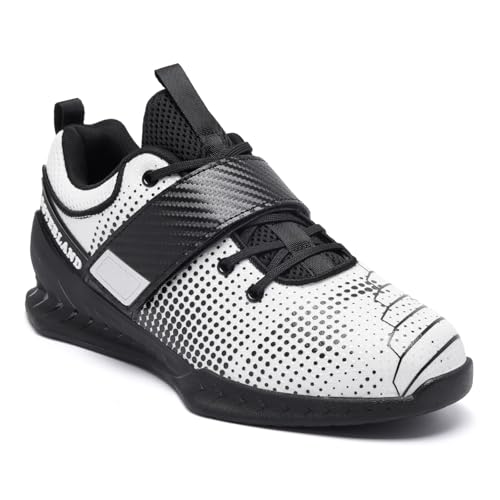
Designed for serious lifters, these shoes provide the stability and lift needed for heavy deadlifts and squats. The reinforced sole and padded footbed reduce strain while keeping feet locked in during max-effort lifts.
Built for consistency, they offer a firm platform without sacrificing mobility. Perfect for both men and women, these black and white models help prevent foot fatigue and improve lift performance.
8. Minimalist Weightlifting Shoes

Minimalist shoes like these offer a natural training edge by mimicking barefoot movement. The zero-drop design forces proper foot alignment, reducing strain on joints during lifts and runs. Wide toe boxes improve balance and grip, critical for stability in heavy exercises.
For weightlifting and cross-training, these shoes add controlled resistance without bulk. The lightweight, waterproof build keeps feet dry and focused on form. Ideal for gyms, hikes, or outdoor workouts where precision matters.
9. Anti-Slip Deadlift Lifting Shoes

Weightlifting shoes like these help athletes maintain balance during heavy lifts by providing grip and stability. The thick rubber sole prevents slipping on gym floors, reducing injury risk during squats and deadlifts. They distribute weight evenly, improving form and performance under load. Ideal for serious lifters needing reliable footing without sacrificing mobility.
10. Non-Slip Yoga Socks

These socks mimic the grip and support of weighted shoes by adding subtle resistance through grippers. They prevent slipping during barre workouts or ballet practice, keeping feet secure without bulk. The non-slip design mimics the traction of heavier footwear, reducing strain on joints while maintaining balance. Perfect for dancers, gym-goers, or anyone needing controlled resistance for stability.
