
weightlifting shoes for beginners

As an Amazon associate, Comfy-Kicks.com earns from qualifying purchases at no cost to you.
They’re not just for powerlifters, though. If you’re just starting out, these shoes can help you learn proper lifting technique without the awkwardness of high heels or the instability of bare feet. They’re also great for squats and deadlifts, which are the foundation of any lifting program. Just make sure they fit well and have good support so you can focus on lifting, not adjusting your shoes.
weightlifting shoes for beginners in 2026
1. Weightlifting Belt
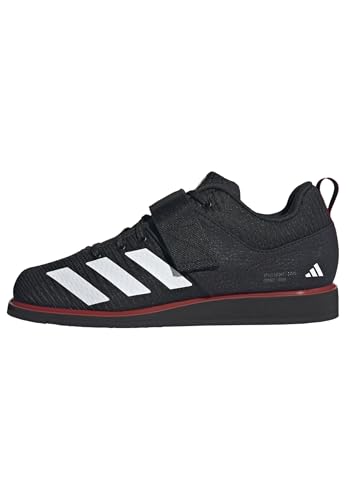
This shoe offers solid grip and ankle support, ideal for beginners lifting heavier loads. The durable rubber sole keeps feet stable during squats and deadlifts without slipping.
Lightweight yet sturdy, it balances comfort with performance for consistent training. The color options add style without sacrificing function.
2. Deadlift Weightlifting Shoes

For beginners, proper footwear can make lifting easier and safer. The deadlift shoe offers a flat sole, which keeps your feet stable during heavy lifts. This reduces strain on your lower back and helps maintain proper form.
The shoe’s design also mimics barefoot training, improving grip and balance. It’s lightweight and flexible, letting you focus on technique without bulky shoes. Obsidian black makes it versatile for any gym setting.
3. Deadlift Cross-Trainers

For beginners, proper footwear can make deadlifts and cross-training much safer and more effective. These shoes provide the necessary stiffness and support to protect your joints while improving grip and stability during heavy lifts. The flat, rigid sole helps distribute weight evenly, reducing strain on your lower back and knees.
The pink design makes them versatile for everyday wear too, though the focus remains on performance. The lightweight yet durable build ensures comfort during long sessions, making them a practical choice for those new to lifting.
4. Anti-Slip Deadlift Squat Shoes
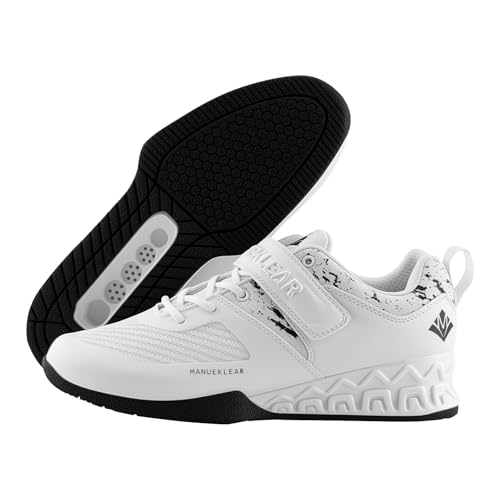
For beginners, proper lifting shoes can make a huge difference in form and safety. These shoes provide a stable, flat platform for squats and deadlifts, reducing knee strain and keeping your feet planted. The non-slip sole locks your feet in place, preventing sudden shifts that could throw off your lift.
The bright white design keeps them visible in the gym, and the reinforced rubber sole grips the floor better than generic sneakers. They’re lightweight yet durable, so you won’t feel weighed down while building strength. If you’re just starting, these shoes help you focus on technique over discomfort.
5. Powerlifting Squat Shoes

For beginners stepping into weightlifting, proper footwear is key. These shoes offer a stable platform with a non-slip sole, preventing slips during heavy lifts. The slight heel elevation—just over half an inch—helps align your body for squats and deadlifts, reducing strain on your knees.
The strap-and-lace design keeps feet secure without restricting movement. The black color and durable build suit gym routines and powerlifting. Simple yet effective, they balance support and comfort for consistent training.
6. Elevated Heel Powerlifting Shoes
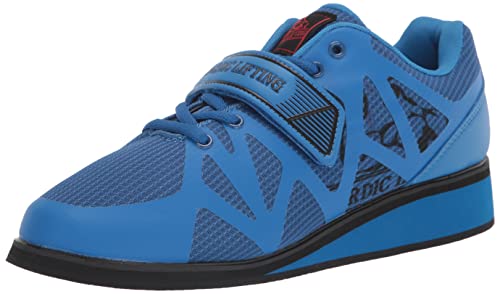
For beginners, the right shoes can make a huge difference in technique and safety. Nordic lifting shoes with an elevated heel help maintain proper knee alignment during squats, reducing strain on joints. The stable platform keeps feet flat on the floor, improving balance for deadlifts and Olympic lifts.
The adjustable fit for men’s size 7 and women’s size 8.5 ensures comfort without sacrificing performance. Beginners will find these shoes support consistent form while building strength safely.
7. Weightlifting Shoes

For beginners lifting heavy, proper footwear prevents ankle strain and improves lift technique. These shoes offer rigid soles for stability and arch support to reduce foot fatigue during squats and deadlifts. Non-slip rubber keeps you planted when pressing heavy loads, cutting injury risk.
The flat, locked-in design helps with foot positioning, letting you drive weight through your heels. Lightweight yet durable, they’re built for consistent training without sacrificing comfort. No need for expensive gear—just solid footwear for safer, more efficient lifts.
8. Men’s Minimalist Barefoot Workout Shoes

For beginners lifting heavy, these shoes offer a natural foot position without restrictive soles. The zero-drop design lets your feet align like they do in barefoot running, improving balance and reducing strain on joints. The wide toe box prevents cramped toes, which can help with grip and movement during lifts.
They’re also lightweight and water-resistant, making them practical for gym sessions or outdoor workouts. Since they don’t add bulk, they won’t slow you down while still supporting proper foot mechanics. If you’re new to lifting, these could cut down on discomfort and help you train more efficiently.
9. Heavy Weightlifting Shoes

For beginners hitting the gym, proper footwear is critical. Heavy lifting shoes provide ankle support and a flat platform, reducing strain on joints while keeping your heels elevated. The rubber sole grips the floor, preventing slips during squats and deadlifts. This stability helps maintain form and protects your lower back.
Avoid bare feet or sneakers—both offer poor support. These shoes let you lift heavier safely, especially for powerlifting or Crossfit. The white color keeps things clean, and the non-slip sole ensures safety without sacrificing comfort. Start right, and your lifts will improve faster.
10. Heavy Lifting Shoes
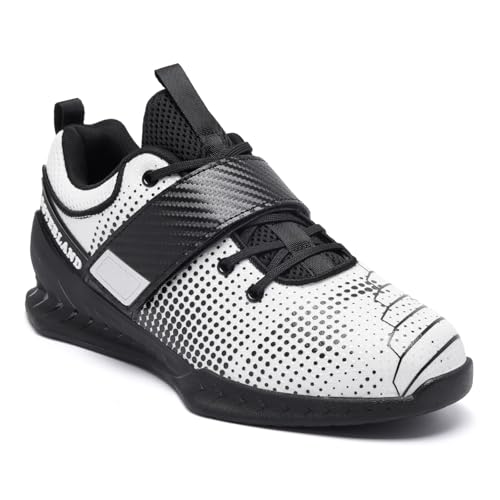
Beginners lifting heavy need shoes that lock in their feet and support their ankles. These shoes provide a flat, stable platform, reducing strain on joints while keeping the foot secure during squats and deadlifts. The rigid sole helps maintain proper form, preventing awkward shifts in weight distribution.
The design offers grip and cushioning for comfort, which is key for consistent training without injury. Black or white options suit any gym aesthetic while ensuring durability for repeated use. For those just starting, these shoes bridge the gap between casual shoes and pro-level lifting gear.
