
what are the best shoes for your feet

As an Amazon associate, Comfy-Kicks.com earns from qualifying purchases at no cost to you.
For active lifestyles, focus on durability and performance features. Running shoes need shock absorption and a snug fit, while walking shoes should balance support with lightweight design. If you’re dealing with foot issues like bunions or plantar fasciitis, opt for wider toe boxes and reinforced areas. Don’t forget to break in new shoes gradually to avoid blisters or discomfort. Your feet carry you through everything, so choosing the right pair means investing in long-term comfort and health.
what are the best shoes for your feet in 2026
1. Loose Shoe Anti-Slip Inserts
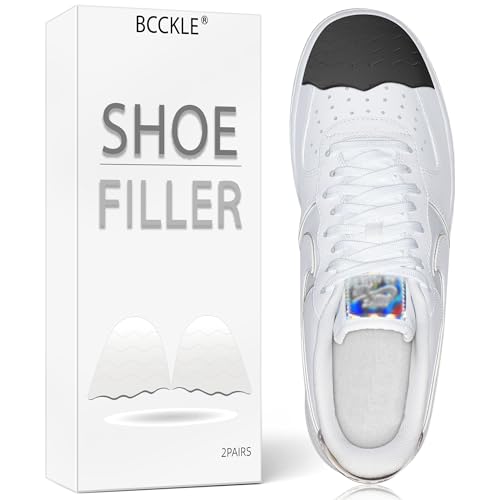
Best shoes for your feet should fit snugly without unnecessary looseness. Anti-slip toe and heel pads keep your feet secure, reducing strain on joints and preventing slips during movement. Ergonomic designs adapt to your foot shape, while adjustable insoles ensure a tailored fit for bigger sizes. These inserts improve comfort, especially in open-toed or wide shoes, by locking in place and distributing pressure evenly. Unisex options cater to diverse foot types, making them practical for daily wear. Proper support minimizes fatigue and keeps your feet aligned naturally.
2. Heel Pain Preventors

Best shoes keep your feet supported and pain-free. If your kicks are too loose, these pads tighten the fit without bulk. They cushion heels, stop blisters, and grip to prevent slipping—critical for daily wear. For women and men, they’re simple fixes for rubbing, tightness, or loose soles. Choose shoes that fit well, but these inserts make even ill-fitting footwear manageable.
3. Shoe Filler Inserts

Choosing shoes that fit well is key to comfort and health. Ill-fitting shoes force your feet into awkward positions, leading to pain or long-term issues. A shoe filler adjusts the fit without altering the shoe itself, ensuring toes have room to move naturally while reducing pressure points.
For those with wide feet or loose shoes, these inserts provide a simple solution. They fill gaps, prevent slippage, and keep feet supported. Proper fit means less strain on joints and better circulation, making them a practical choice for anyone prioritizing foot health.
4. Heel Pain Relief Inserts

Best shoes should fit snugly to prevent heel discomfort. Loose shoes cause friction, blisters, and pain, especially for men and women. Four pairs of heel pads grip the shoe better, reducing slipping and cushioning impact. Ultra-soothing inserts ease heel pain and protect against irritation. Choose shoes with arch support and a firm heel to keep feet comfortable.
5. Pressure Relief Insoles for Foot Pain

Dr. Scholl’s insoles are designed to ease nerve pain and neuropathy by distributing pressure evenly across your feet. They’re especially helpful for diabetics, as they prevent further foot damage by reducing strain on sensitive areas. If you’re looking for shoes that complement this relief, opt for rigid, cushioned footwear with good arch support—like those made for diabetic patients—to keep your feet protected.
For daily wear, prioritize breathable materials and a wide toe box to avoid irritation. These insoles work best when paired with shoes that maintain proper alignment and shock absorption. Consistent use helps manage pain long-term, making them a smart addition to any footwear routine.
6. Shoe Filler Inserts

For feet that need extra support, these inserts provide a firm, full-length cushion tailored to tight shoes. Latex foam ensures durability and comfort, reducing pressure points while maintaining arch support. They adjust fit without altering the shoe’s structure, making them ideal for those who need a snug yet flexible solution.
If shoes run large, these insoles fill the gap without sacrificing comfort. They’re designed for daily wear, offering consistent cushioning and breathability. Proper foot alignment matters, and these inserts help by distributing weight evenly, keeping feet happy over time.
7. Foot Cushion Inserts

Forefoot cushion inserts help reduce pressure on the ball of the foot, easing pain from high heels or tight fits. They’re ideal for women who need extra arch support without bulk, keeping feet comfortable over long hours.
For open-toe shoes or oversized fits, non-sliding insole pads prevent shifting while maintaining breathability. Heel cushions smooth impact, protecting joints in heels that lack proper padding. These inserts ensure shoes stay functional and supportive.
8. Heel Cushion Inserts

Best shoes prioritize arch support and cushioning to ease daily wear. For those with loose blisters or foot pain, heel cushion pads and shoe grips help distribute pressure evenly. These inserts fit snugly inside shoes, preventing friction and reducing discomfort over time. They’re ideal for anyone who walks long distances or wears ill-fitting footwear. Proper padding and liners keep feet protected without sacrificing mobility.
9. Heel Pain Blister Inserts
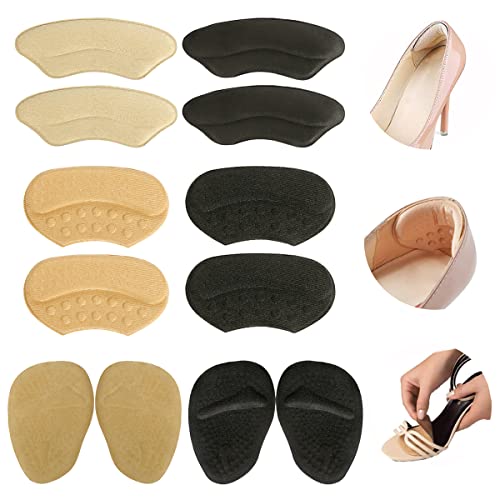
Best shoes should fit snugly to prevent discomfort. Heel grips and metatarsal pads help when shoes are too loose, reducing friction and pain. Beige and black inserts cushion heels, stopping blisters. They’re simple fixes for ill-fitting footwear, keeping feet protected and comfortable.
10. Women’s High Heel Comfort Pads

High heels can be painful if your feet aren’t properly supported. Six pairs of heel grips help prevent slips by adding traction, while heel pads absorb shock and reduce pressure on the balls of your feet. For extra arch support, metatarsal pads distribute weight evenly, easing discomfort over time.
Shoe cushions and high heel inserts provide firm yet flexible support, keeping heels stable and reducing strain. The best shoes for your feet prioritize these adjustments—whether for daily wear or special occasions—to keep you comfortable and injury-free.
