
what are the best shoes for supination

As an Amazon associate, Comfy-Kicks.com earns from qualifying purchases at no cost to you.
Stick to brands known for stability and cushioning, like Hoka or Brooks. Also, avoid shoes with too much flexibility in the forefoot—they’ll just push you further into supination. A good fit is key, so try a few on and walk around to see how they feel. If you’re still not sure, a podiatrist can help guide you to the best options.
what are the best shoes for supination in 2026
1. Adjustable Gel Heel Wedge Inserts

For supinators, who naturally roll their feet inward, supportive shoe cushions with adjustable heel wedges help distribute weight evenly. These insoles reduce strain on the arch and lower leg, easing heel pain and fatigue over time. The three-layer gel design provides shock absorption and alignment correction, making them ideal for shoes that prioritize stability without sacrificing comfort.
Look for shoes with firm midsoles and reinforced heel counters to pair with these inserts. Brands that excel in this category often feature breathable yet durable uppers and cushioned overlays. Proper alignment from the start prevents long-term overuse injuries, keeping feet stable and pain-free.
2. Corrective Foot Inserts
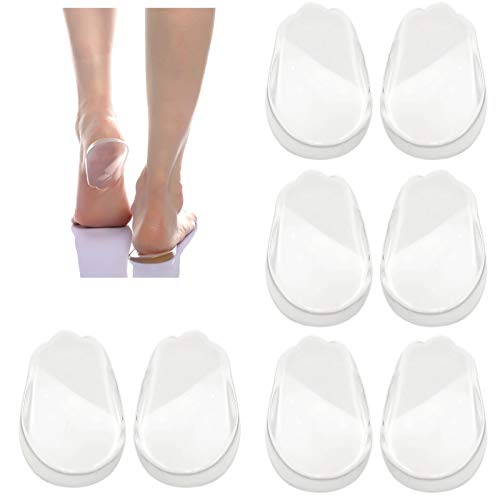
For supinators, medial heel wedges help redirect force toward the ball of the foot, reducing strain on the arch. These silicone inserts offer targeted support, easing overuse injuries like plantar fasciitis. They’re lightweight yet firm, fitting most standard shoes without bulk.
A height-increase pad corrects leg alignment by shifting weight laterally, mimicking proper gait mechanics. Transparent O/X inserts adjust for overpronation or supination by guiding foot motion. Both options improve stability and reduce joint stress over time.
3. Foot Alignment Corrective Inserts

Supination—where the foot rolls outward—puts extra strain on joints and muscles. The best shoes for supination need firm arch support and a stable heel to redirect force underfoot. Dr. Foot’s inserts shift weight toward the ball of the foot, reducing impact on knees and hips, which helps with knee pain and bow legs over time.
For osteoarthritis, these medial and lateral wedges add cushioning while correcting alignment. Three pairs in black ensure durability and a neutral fit. They’re ideal for runners or anyone prone to overpronation, balancing pressure evenly to ease joint stress.
4. Foot Alignment Corrective Inserts

For supinators, proper foot support is key to reducing stress on joints. These inserts adjust medial and lateral heel wedges to encourage natural foot alignment, easing knee strain and preventing bow legs. The three-layer design provides cushioning while guiding the foot’s roll, which helps with osteoarthritis pain.
If you’ve got high arches or overpronation, these corrective insoles shift weight distribution properly. They’re especially useful for those who walk or stand often, offering long-term relief for knee and joint discomfort. The adjustable fit ensures comfort over time.
5. Supination Corrective Arch Support Inserts

For supinators, the right shoe and inserts help distribute weight evenly across the foot. Look for models with firm arch support and shock-absorbing soles to reduce overpronation stress. These inserts provide medial (inner) cushioning to guide the foot’s natural roll, preventing strain on ankles and knees.
Sturdy, motion-control footwear—often with rocker soles—stabilizes the foot’s alignment. Prioritize breathable materials and reinforced toe boxes to avoid irritation. Proper support minimizes fatigue and long-term joint issues.
6. Orthotic Foot Inserts

Supination runners and walkers need firm arch support to prevent overpronation stress. Corrective heel wedges and deep arch inserts help realign the foot, reducing knee and hip strain. For those with bow legs or knock-knees, these inserts stabilize alignment, easing joint discomfort.
High-arch options in shoes or inserts work best for supinators by maintaining natural foot positioning. Flat-feet sufferers may benefit from slight heel wedges to encourage proper weight distribution. Choose supportive footwear with these features for long-term relief.
7. Adjustable Foot Alignment Inserts

Supination sufferers need support that counters excessive outward rolling. These inserts provide medial (inner) heel lifts to shift weight toward the arch, reducing strain on the foot’s outer edge. The adjustable gel layers absorb shock while maintaining alignment, easing knee and ankle stress over time.
For active supinators, these insoles balance natural movement without forcing the foot into rigid alignment. The six-piece set offers customizable firmness and wedge adjustments, making them ideal for runners or those with mild overpronation. Beige color blends with most shoes for discreet correction.
8. Heel Straightener Insert
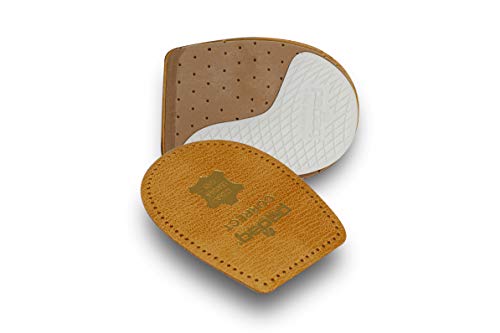
For supination, shoes with firm, stable support and minimal cushioning help prevent excessive outward rolling of the foot. Pedag Correct inserts provide medial and lateral wedges to encourage natural foot alignment, reducing stress on joints. The German-made design helps stabilize the arch, easing knee and leg alignment issues like knock knees or bow legs.
These inserts work best in rigid-soled shoes to maintain proper alignment without compromising comfort. The vegetable-tanned leather fits large feet well, offering durability and flexibility. Supination sufferers should prioritize shoes with rigid midsoles and controlled cushioning to match the wedge’s purpose.
9. Medial Lateral Heel Wedges
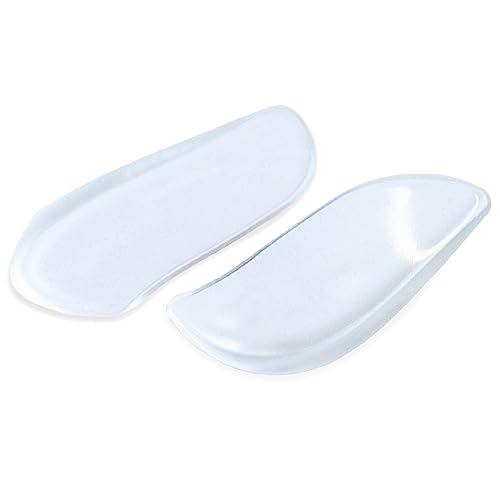
Supination—where the foot rolls outward—can strain joints and muscles, leading to knee pain and misalignment. The best shoes for supination need firm arch support and shock absorption to redirect force inward. These insoles adjust foot alignment by adding medial (inward) or lateral (outward) wedges, balancing pressure and easing stress on knees and hips.
For those with supination, proper footwear and corrective inserts help prevent osteoarthritis and improve gait. They’re especially useful for people with knock knees or bow legs, as they realign the lower body’s mechanics. Stick with supportive, cushioned shoes and use these insoles to maintain alignment and reduce pain.
10. Foot Alignment Corrective Insoles

For supinators, proper foot support is key to reducing stress on joints. These inserts provide medial and lateral heel wedges to gently guide your foot into a more natural alignment, easing knee and lower back strain. The adjustable layers help distribute pressure evenly, which is crucial for those with bow legs or osteoarthritis.
They’re designed to correct overpronation without forcing your foot into an unnatural position, keeping movement fluid while protecting joints. The lightweight, breathable material ensures comfort over long periods, making them ideal for daily wear.
