
best shoes for sever’s disease

As an Amazon associate, Comfy-Kicks.com earns from qualifying purchases at no cost to you.
For kids with Sever’s disease, I recommend shoes with good cushioning in the heel and arch support to reduce pressure. Brands like New Balance or Hoka offer excellent shock absorption, while Vionic or Brooks make great options with reinforced heel areas. Always check the fit—shoes should be snug but not tight, and the toes should have room to move. Avoid rigid or overly stiff shoes, as they can force the heel into an unnatural position. If possible, visit a pediatric podiatrist for a proper fitting to ensure the shoes work best for your child’s specific needs.
best shoes for sever’s disease in 2026
1. Kid’s Heel Gel Cushions
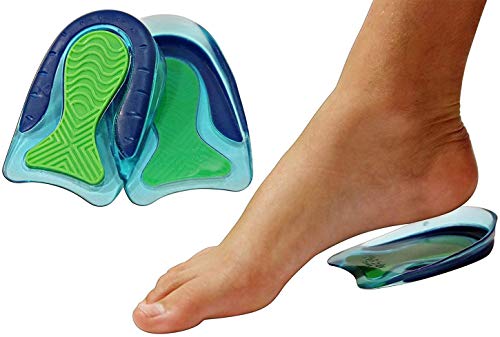
KidSole heel cups ease the strain on young feet with Sever’s disease by cushioning impact during activity. The gel absorbs shock, reducing pain from heel spurs or overuse, which is common in growing athletes.
These lightweight inserts fit well in supportive shoes, letting kids run or play without aggravating inflammation. Proper relief helps them stay active longer.
2. Heavy Duty Heel Cushion Inserts

For kids with Sever’s disease, heel pain can disrupt daily activity fast. These inserts provide extra cushioning to reduce impact on the heel, easing inflammation and discomfort during running or walking. Made in the USA, they’re durable and designed to fit well in most shoes, offering long-term relief without frequent replacements.
The thick, shock-absorbing material helps protect the growing heel bones while supporting proper alignment. Since they’re lightweight and easy to install, they’re a practical choice for active kids who need consistent pain relief. Pairing them with supportive shoes keeps symptoms under control without sacrificing mobility.
3. Heel Cushion Inserts

For Sever’s disease, these heel cups provide extra arch support and shock absorption, reducing strain on developing growth plates. They fit inside most shoes, offering relief without needing a full replacement. The gel padding eases heel pain by distributing pressure evenly, which is key for recovery.
They’re lightweight yet durable, making them practical for daily wear. Since they’re designed for heel-specific issues, they’re a smart upgrade over generic insoles. If you’re looking for minimal changes to your footwear, these cups deliver noticeable comfort and support.
4. Kid Heel Cups

For kids dealing with Sever’s disease, proper heel support is key. These lightweight heel inserts cushion impact, reducing strain on developing growth plates. They fit well in most shoes, offering relief without bulk.
Heel spurs or sensitive heels benefit too. The shock-absorbing design helps prevent overuse injuries. Blue versions fit teens (7.5–9) and women (6.5–9), making them practical for active kids.
5. Heel Cushion Inserts
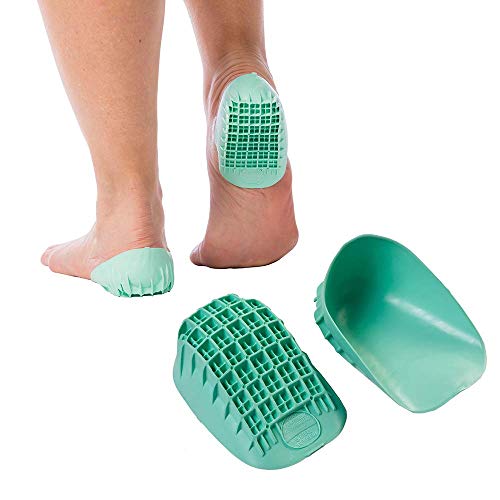
For kids dealing with Sever’s disease, extra cushioning in the heel is key. These inserts add firm support while softening impact, reducing strain on growing bones. They fit well in most shoes, offering targeted relief without bulk.
The green pair is durable and easy to replace, making them practical for active kids. They’re part of a smart solution for heel pain, helping prevent flare-ups while keeping movement comfortable.
6. Heel Cushion Inserts

For kids dealing with Sever’s disease, extra cushioning in footwear is key. These gel heel cups add firm support while absorbing impact, reducing strain on growing bones. They fit small feet well, so they’re practical for active kids who need relief without bulk.
The inserts work alongside shoes to prevent pain by smoothing out heel strikes. Since they’re made in the U.S., quality and durability are reliable. For parents, they’re a simple, effective way to improve comfort and mobility for active young athletes.
7. Kid’s Heel Gel Inserts

For kids dealing with Sever’s disease, these inserts provide crucial shock absorption to ease heel stress. The gel padding reduces impact during activity, cutting down on inflammation and pain from overuse.
They fit well in standard shoes, offering targeted relief for heel spurs or plantar fasciitis. Proper cushioning helps maintain foot alignment, preventing further strain on growing bones.
8. Kids Orthotic Insoles

For kids dealing with Sever’s disease, proper arch support is key to easing heel pain and preventing further strain. These insoles provide firm cushioning and structured arch support to distribute pressure evenly, reducing discomfort during activity. They help stabilize the foot, which is critical for growth and injury prevention.
Flat feet or growing pains often require extra stability, and these insoles deliver. The design supports natural foot alignment while allowing flexibility for active kids. They’re lightweight and fun, making them a practical choice for managing pain without sacrificing comfort or playtime.
9. Arch Support Foot Brace

For those dealing with Sever’s disease, a well-designed brace helps stabilize the heel and reduces strain on the growth plate. It provides targeted compression that eases inflammation while maintaining proper foot alignment, cutting down on discomfort during activity. The brace’s arch support mimics natural foot mechanics, which is crucial for healing without restricting movement too much.
When paired with supportive shoes, this brace cuts down on heel pain and overpronation. It’s ideal for runners or active individuals who need consistent relief without bulky footwear. The compression also helps with flat feet and fallen arches by encouraging better foot posture. It’s a simple, effective solution for managing pain while keeping you mobile.
10. Heel Pain Relief Inserts

For Sever’s disease, heel pain relief starts with proper cushioning. Heavy-duty heel cups with gel padding absorb shock and distribute pressure evenly, reducing strain on the heel growth plate. The honeycomb design provides firm support while easing inflammation, making them ideal for active kids or athletes with persistent discomfort.
These inserts work for plantar fasciitis too, offering arch and heel support that aligns the foot’s natural structure. They fit most shoes and are HSA/FSA eligible, so they’re practical for long-term use without extra costs. Strong yet flexible, they help prevent further damage while relieving daily pain.
