
best shoes for sesamoiditis women’s

As an Amazon associate, Comfy-Kicks.com earns from qualifying purchases at no cost to you.
When shopping for shoes to ease sesamoiditis, look for models with extra cushioning and arch support. Flat or low-heeled options help reduce pressure on the area, while stiff soles help protect the bones. Brands that focus on women’s comfort often have specific designs for foot support, so pay attention to reviews and expert recommendations. If you’re still experiencing discomfort, consider adding a custom orthotic for extra protection. Small changes can make a big difference in your daily comfort.
best shoes for sesamoiditis women’s in 2026
1. Foot Pain Relief Cushions
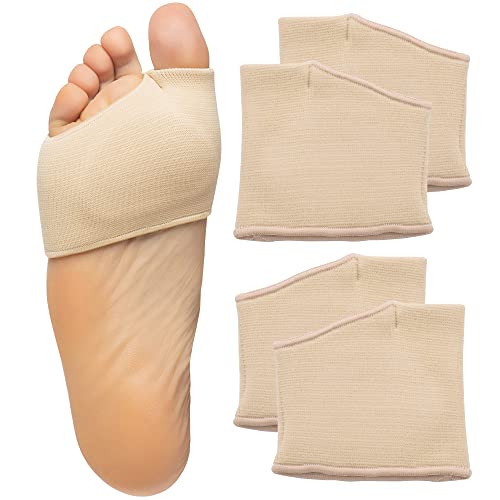
For women dealing with persistent pain in the ball of the foot, proper cushioning is key. These sleeves provide relief by distributing pressure evenly, reducing strain on sensitive areas like sesamoiditis or Morton’s neuroma. They fit snugly over shoes, offering targeted gel support without bulk.
The fabric design keeps them comfortable all day, making them ideal for daily wear. When paired with supportive shoes, they help alleviate discomfort while maintaining mobility.
2. Metatarsal Pain Relief Pads
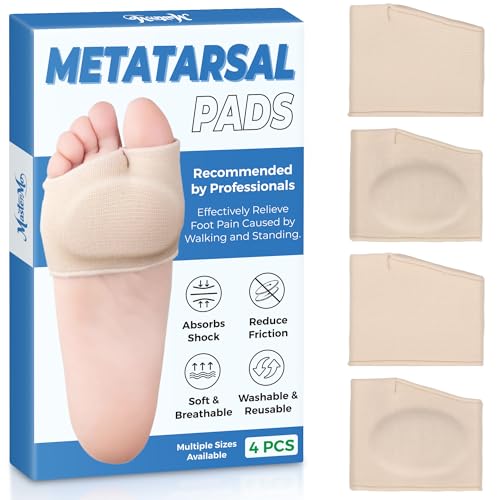
For women dealing with persistent pain at the ball of the foot, these cushions provide targeted relief by reducing pressure on sensitive areas. They’re designed to ease discomfort from conditions like sesamoiditis or Morton’s neuroma, which often flare up in tight or poorly supportive shoes.
The fabric sleeves keep the gel inserts in place, ensuring consistent pressure relief. When paired with supportive footwear, they help maintain proper foot alignment and reduce strain, making them a smart addition for those who need extra cushioning.
3. Foot Cushion Inserts for Ball of Foot Support
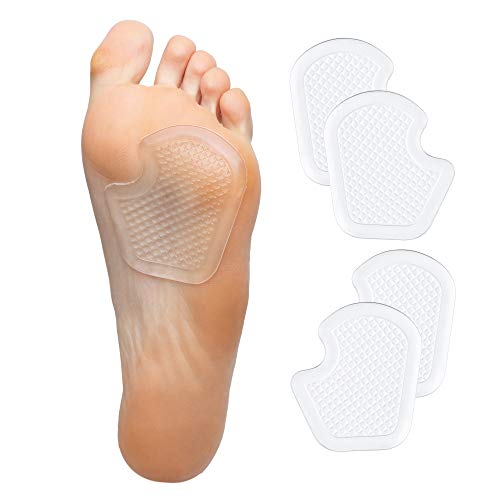
For women dealing with sesamoiditis, these metatarsal pads distribute pressure evenly across the ball of the foot. They reduce strain on the tiny sesamoid bones, easing pain during daily wear. Proper cushioning helps prevent overuse injuries by absorbing shock, which is key for active lifestyles.
When paired with supportive shoes, these inserts keep the foot aligned correctly. They’re especially useful for those who walk or stand long hours, as they reduce irritation and inflammation. Many find relief by combining them with arch support—essential for long-term comfort.
4. Foot Pain Gel Pads

For women dealing with sesamoiditis, proper foot support is key. These gel cushions distribute pressure evenly across the ball of the foot, reducing strain on the sesamoid bones. They’re designed to fit snugly in shoes, offering relief without bulk.
The pads also help alleviate Morton’s neuroma and metatarsalgia by cushioning sensitive areas. Since they’re reusable and washable, they’re practical for daily wear. Pair them with supportive shoes to keep pain at bay.
5. Wide Toe Barefoot Shoes

For sesamoiditis, wide toe boxes and arch support are key. These shoes provide extra space for the sesamoid bones, reducing pressure and irritation. The non-slip sole prevents falls, which can worsen pain during walks.
Breathable fabric keeps feet cool, while pregnancy-friendly designs offer cushioning. The design helps distribute weight evenly, easing discomfort from sesamoid stress.
6. Gel Metatarsal Foot Pads

For women dealing with sesamoiditis, proper footwear is key. These cushioned pads relieve pressure on the ball of the foot, reducing strain during walking or standing. They’re designed to fit inside shoes, offering targeted support without altering your footwear’s structure.
When paired with supportive shoes, they help prevent flare-ups by distributing weight evenly. The gel helps absorb shock, which is crucial for long-term comfort. Large size options ensure a snug fit, making them practical for active lifestyles.
7. Sesamoiditis Foot Pads

For women with sesamoiditis, supportive footwear is key. These pads relieve pressure on the sesamoid bones in the forefoot, reducing sharp pain during walking or standing. They’re designed to cushion the sensitive area, helping to ease discomfort from tight or unsupportive shoes.
The self-adhesive felt cushion spreads weight evenly, preventing overloading the sesamoid bones. Pairing them with proper shoes—like those with a wide toe box and arch support—can significantly cut down on flare-ups. They’re simple to use, offering quick relief without complex adjustments.
8. Gel Metatarsal Pads
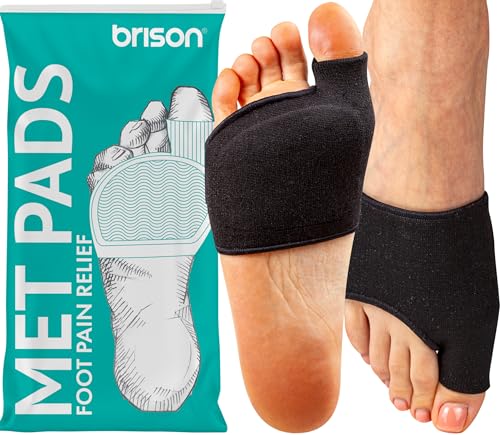
For women with sesamoiditis, these pads provide targeted relief by cushioning the ball of the foot where pain often spikes. They reduce pressure on inflamed sesamoid bones, easing discomfort during walking or standing. A firm gel base distributes weight evenly, cutting down on irritation from tight or unsupportive footwear.
When paired with proper footwear, these pads help prevent overuse injuries by absorbing shock. Women with narrow or high-arch feet will find relief from Morton’s neuroma or metatarsalgia. The simple design fits most shoes, making them a practical addition for daily wear.
9. Gel Metatarsal Cushions
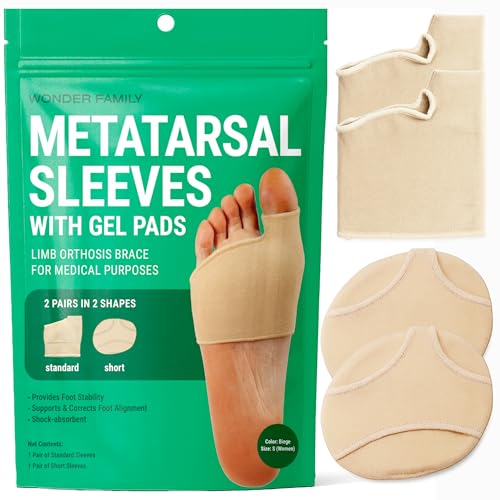
For sesamoiditis, soft gel metatarsal pads help distribute pressure evenly across the ball of the foot, reducing sharp pain under the toes. These cushions are especially useful for women wearing high-heeled shoes or narrow footwear, as they prevent overloading the sesamoid bones. They’re reusable and fit snugly into shoes, offering long-term relief without needing replacements.
Reusable metatarsal insole pairs with bunion pads and callus cushions can also ease forefoot discomfort by supporting the arch and absorbing shock. For women with sesamoiditis, proper footwear—like cushioned shoes—combines with these insoles for better alignment and reduced irritation. They’re ideal for daily wear, helping maintain foot health over time.
10. Sesamoiditis Foot Pads

For women with sesamoiditis, proper footwear is key. Look for shoes with thick, cushioned forefoot support and a wide toe box to reduce pressure on the sesamoid bones. These pads add extra cushioning directly where pain occurs, easing discomfort during walking or dancing.
The best shoes also feature a firm heel counter and arch support to stabilize the foot. These pads complement that by distributing weight evenly, preventing overuse injuries. They’re lightweight, easy to apply, and ideal for daily wear or active routines.
