
1920s shoes for ladies

As an Amazon associate, Comfy-Kicks.com earns from qualifying purchases at no cost to you.
Women also favored “peep-toe” shoes, which allowed a peek of the toes while keeping the heel low. These styles were practical for dancing and socializing, fitting the lively pace of the decade. Some shoes even included straps or buckles for a touch of edginess, catering to the bold and independent spirit of the time. The shift toward comfort and style made footwear a key part of women’s wardrobes, blending fashion with function.
1920s shoes for ladies in 2026
1. Ballroom Dance Shoes

In the 1920s, women’s footwear embraced sleek, structured designs with bold straps and polished leather. These shoes often featured pointed toes and low heels to complement the flapper style, balancing elegance with practicality. The T-strap style, common in ballroom and dance shoes, offered both support and a polished look that fit the era’s glamorous aesthetic.
For dancers and those seeking vintage-inspired footwear, these shoes provide the non-slip grip needed for smooth movements while maintaining the classic silhouette of the decade. The leather ensures durability, making them ideal for both performance and everyday wear.
2. Flapper Dance Pumps

In the 1920s, women’s dance shoes often balanced style with comfort, favoring low heels and flexible designs for smooth movements. These shoes reflected the era’s flapper aesthetic, emphasizing glitter and intricate details while keeping footwear practical for ballroom dancing.
The RoseMoli design captures that spirit with its elegant, low-heeled pumps perfect for salsa and ballroom. The glitter finish and flapper-inspired cut mimic the bold yet refined look of the decade. They’re ideal for both dancing and parties, blending vintage charm with dance-friendly support.
3. Flapper Dance Pumps

In the 1920s, women embraced sleek, low-heeled ankle straps that paired elegance with comfort for ballroom dances and social gatherings. These pumps featured smooth leather or satin finishes, often black or deep shades, to match flapper dresses effortlessly. Lightweight yet sturdy, they allowed for fluid movement while maintaining a polished look.
For Latin and salsa dancing, the same style proved versatile, balancing style with performance. The low heel design supported quick footwork, while the ankle strap kept feet secure. Perfect for parties, these shoes reflected the decade’s bold yet refined aesthetic.
4. Women’s Low Heel Mary Jane Pumps

In the 1920s, women sought elegant yet practical footwear that balanced style with movement. The sequin low kitten heels with a bow Mary Jane design mirrored the era’s flapper aesthetic—sleek, feminine, and designed for dancing. Unlike stiff corseted boots, these heels offered a smooth glide while keeping ankles free for flapper-style movement.
The vintage charm of champagne sequins stood out against the simpler, matte finishes of most 1920s shoes. Perfect for both nightclubs and formal events, they combined vintage flair with modern comfort, making them ideal for the active yet polished lifestyle of the decade.
5. Glitter Dance Shoes

In the 1920s, women embraced flapper fashion with bold, expressive footwear. These shoes often featured low block heels or flat soles for comfort during dancing, reflecting the era’s lively social scene. The glitter and intricate designs added glamour, perfect for nightclubs and ballroom dances.
For ballroom and Latin styles, these heels provided stability while allowing freedom of movement. The black color and vintage aesthetic matched the era’s bold, artistic sensibilities, making them essential for dancing and evening wear.
6. Ballroom Dance Shoes
The 1920s called for sleek, polished footwear that balanced grace with practicality. Women’s dance shoes of the era often featured pointed toes and low heels, designed for both elegance and ease of movement. These shoes emphasized smooth gliding and secure fit, ideal for ballroom routines.
Keemi’s modern take captures that spirit with a T-strap design that keeps feet snug while allowing fluid motion. The non-slip sole ensures stability, perfect for salsa, Latin, or flamenco—just as the era’s dancers demanded. Leather keeps them refined yet durable.
7. Black Character Dance Shoes

In the 1920s, women’s dance shoes often balanced style with performance, and these shoes carry that spirit. The two-inch heel mimics the bold, flirty silhouettes of the era’s flapper heels, offering both elegance and support for quick movements. Light brown tones blend seamlessly with vintage outfits, while the closed-toe design protects toes during energetic dances like tango or salsa.
Designed for precision, the sturdy build ensures stability without sacrificing comfort. The medium width fits most feet well, making them practical for formal events or practice sessions. These shoes capture the dance culture of the decade—sharp, confident, and built for movement.
8. Character Dance Shoes
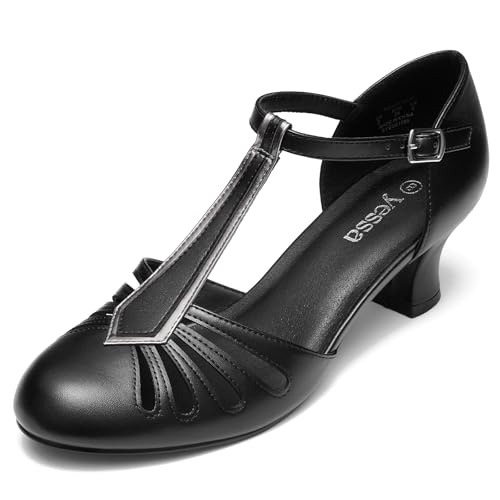
The YESSA T-strap shoes capture the sleek elegance of 1920s flapper fashion with their polished black design. They mimic the low-heeled, strappy style that defined the era’s iconic silhouettes, offering both comfort and a polished look for formal events.
Perfect for ballroom dancing or weddings, these shoes blend vintage charm with practicality, ensuring stability while staying true to the bold, artistic aesthetic of the Gatsby era.
9. Flapper Dance Shoes
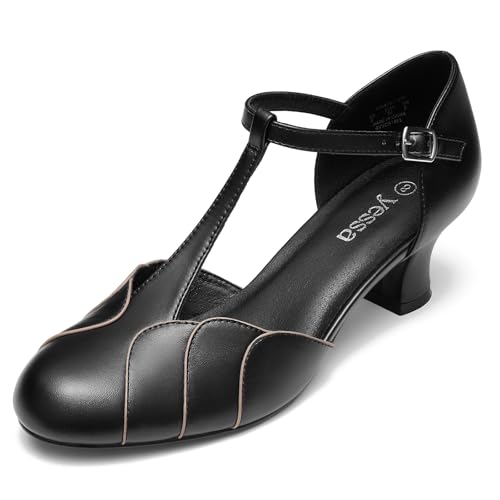
These shoes capture the effortless elegance of 1920s flapper style with its low, rounded heel and thin strap. Perfect for ballroom dancing, they mimic the lightweight, flexible design of the era’s iconic footwear, ensuring smooth movement without bulk.
The black color and classic silhouette also suit formal events, from weddings to Gatsby-themed parties. They blend vintage charm with practicality, offering both style and performance for any dance or celebration.
10. Vintage Flapper Dance Heels

In the 1920s, women’s footwear evolved dramatically, embracing bold styles that reflected the era’s liberation. Flapper shoes with T-straps became essential, offering both support and a sleek silhouette while allowing freedom of movement. Their pointed toes and low block heels suited the dance floors and social gatherings of the time, balancing fashion with function.
These shoes also catered to ballroom and Latin styles, perfect for the energetic rhythms of the decade. Their design prioritized comfort for long dances, making them practical for nightlife and performances. The black color added a timeless elegance, blending seamlessly into the bold yet refined aesthetic of 1920s fashion.
