
1940 shoes for men

As an Amazon associate, Comfy-Kicks.com earns from qualifying purchases at no cost to you.
The styles leaned toward classic cuts with a slight emphasis on military influence. Loafers and oxfords remained popular, though some men opted for more rugged boots for farm or industrial work. Shoe laces were often simple, and soles were thick and reinforced to handle rough terrain. Color choices were muted—black, brown, and tan dominated, reflecting the somber, practical nature of the era.
1940 shoes for men in 2026
1. Latin Dance Shoes

In the 1940s, men’s dance shoes were built for precision and comfort, blending structure with flexibility. These shoes often featured thick, rigid soles for stability during quick footwork, yet they lacked the modern cushioning found in today’s designs. The 1-inch sole of these Latin dance shoes offers a similar balance—rigid enough for sharp turns but adaptable for smooth glides.
Unlike the stiff, polished leather of era shoes, which could be uncomfortable after long sessions, these modern designs prioritize breathable leather and lightweight construction. The sleek black-and-white colorway also gives a polished look, much like the tailored suits of the time, but with far greater ease for movement.
2. Classic Dress Oxford Shoes
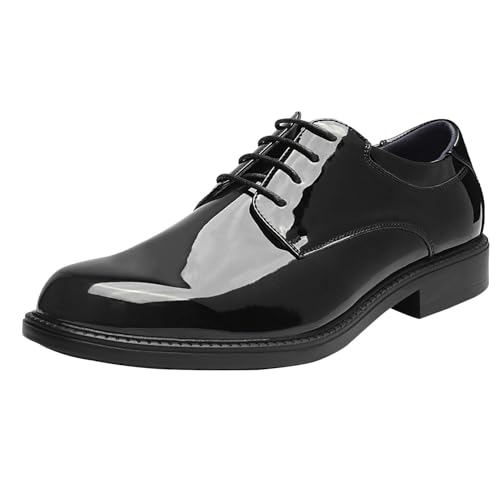
In the 1940s, men’s dress shoes were built for both style and durability, favoring sleek black oxfords with polished leather and sturdy laces. These shoes demanded precision—sharp toe caps, smooth soles, and a refined fit to match formal attire. The classic lace-up design allowed for a snug yet comfortable fit, essential for long workdays or evening events.
Bruno Marc’s modern take on these timeless styles offers the same polished look with refined craftsmanship. The black and patent finishes replicate the sleek elegance of vintage oxfords, while the durable construction ensures longevity. Perfect for business or formal occasions, they blend classic tradition with contemporary comfort.
3. Classic Velvet Slip-on Dress Shoes

In the 1940s, men’s dress shoes often prioritized rigid structure and polished leather, favoring stiff oxfords or brogues for formal occasions. These loafers offer a softer, more flexible alternative with their velvet slip-on design, making them ideal for evening events without the bulk of traditional dress shoes.
The patented design provides a smooth, polished look while allowing ease of wear, a luxury missing from many 1940s footwear styles that required laces or stiff soles. Velvet adds a touch of elegance, blending seamlessly with the era’s refined yet practical fashion.
4. Dress Oxford Shoes

In 1940, men’s dress shoes were built for durability and formality, often featuring thick, polished leather and sturdy soles. These styles prioritized longevity, designed to withstand long workdays or formal events without wear. The Prince-16’s sleek black patina and refined lining offer a modern twist, blending classic elegance with contemporary craftsmanship.
For those seeking timeless sophistication, these oxfords replicate the polished look of vintage men’s footwear while offering refined comfort. The dress style ensures they fit seamlessly into both professional and traditional settings, making them a practical choice for men who value both heritage and style.
5. Modern Formal Business Dress Shoes

In the 1940s, men’s dress shoes often leaned toward polished leather with a conservative silhouette, favoring pointed toes and low heels. These styles were built for formal occasions, blending durability with a refined look. The wingtip Oxford, with its classic design, offered both structure and elegance, making it a staple for business and social events.
Today’s modern version keeps that timeless essence while incorporating sleek materials and refined details. The black-white contrast adds sophistication, ensuring it stands out in professional settings without sacrificing tradition. Unlike older styles, this design adapts to contemporary needs while honoring the past.
6. Black Leather Oxford Shoe
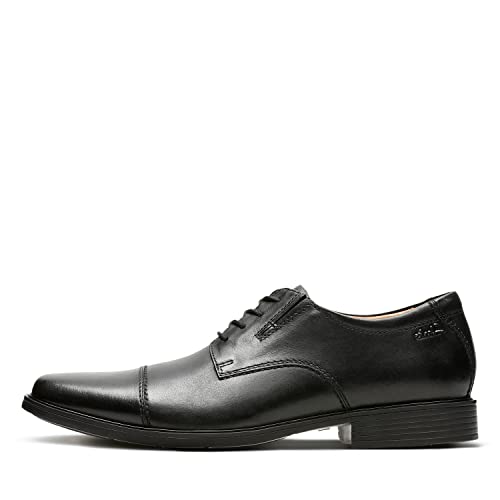
In 1940, men’s footwear needed durability and style that could handle both work and social settings. The Tilden Cap Oxford, with its black leather, offered a refined look while standing up to daily wear. Its sturdy construction kept feet comfortable over long hours, a practical choice for factory workers or businessmen alike.
The sleek cap toe and polished finish gave it a polished, professional edge, fitting well with the era’s sharp dress codes. The fit for a size 10.5 ensured a snug yet flexible feel, balancing comfort with a timeless classic. It was the perfect blend of function and fashion for men who wanted reliability.
7. Black White Oxford Dress Shoes

In 1940, men’s dress shoes balanced practicality with refined style, often featuring sturdy leather and clean lines. These shoes were built for both formal occasions and everyday wear, offering durability without sacrificing elegance. The wingtip design, a staple of the era, provided both structure and a polished look, ideal for business or social events.
Two-tone brogues like these combined classic black with crisp white accents, a trend that emphasized sophistication. The lace-up construction allowed for easy adjustments, while the spectator style kept feet comfortable over long hours. They were the perfect blend of function and fashion for men navigating the demands of wartime life.
8. Lace-Up Formal Dress Shoes

In 1940, men’s dress shoes balanced precision and comfort, often with rigid soles and pointed toes. These shoes demanded meticulous care—polishing and stiff leather required discipline. The cap-toe design was practical for formal wear, offering a refined silhouette while avoiding bulk.
Bruno Marc’s version keeps that tradition with a softer, more adaptable toe. The lace-up closure ensures a snug fit, while the black color remains timeless. Unlike older styles, it blends classic form with modern ease, making it a smart choice for both office and evening events.
9. Formal Dress Oxford Shoes

In 1940, men’s formal footwear demanded precision—shoes that balanced durability with polished elegance. Oxfords like these were essential for business attire, offering a sleek silhouette that paired effortlessly with suits. Made from high-quality leather, they provided the sturdy support needed for long days in the office while maintaining a sharp, professional look.
The design of these shoes mirrored the era’s refined taste, with classic lacing and a structured heel that ensured stability. Unlike flimsy or overly ornate styles, they prioritized function, making them a reliable choice for men who valued both style and comfort in their workwear.
10. Wingtip Brogue Oxfords

In 1940, men’s formal footwear demanded both style and durability. Wingtip brogue Oxfords like these offered polished elegance with their classic cut and intricate toe detailing. The sleek design fit office attire perfectly, blending sophistication with practicality for business settings.
Made for long hours, these shoes provided sturdy support while maintaining a sharp look. Their timeless design made them ideal for both work and social events, standing out without being flashy.
