
1950 shoes for men

As an Amazon associate, Comfy-Kicks.com earns from qualifying purchases at no cost to you.
Men’s shoes of the era often featured pointed toes and low heels, giving them a modern yet timeless appeal. The color palette leaned toward neutral tones—black, brown, tan, and even light gray—making them versatile for both work and casual outings. Many featured simple stitching and smooth soles, emphasizing understated elegance. These shoes weren’t just fashion statements; they were built to last, reflecting the practical yet polished sensibilities of mid-century American style.
1950 shoes for men in 2026
1. Soft Cap-Toe Dress Shoes

In the 1950s, men’s formal footwear demanded both style and durability. These shoes offered a refined wingtip design that fit the era’s polished aesthetic while providing sturdy construction. The lace-up closure ensured a secure fit, and the soft cap-toe added subtle elegance without sacrificing comfort.
The black color remained a timeless choice, blending seamlessly with suits and dress attire. Unlike heavier, rigid styles of the time, this model balanced sophistication with flexibility, making it practical for both office and social settings.
2. Men’s Dress Oxford Shoes

In the 1950s, men’s dress shoes balanced polished elegance with durable craftsmanship. Temeshu’s black oxfords offer that refined look with modern comfort, blending classic styling with sleek construction. They’re built for both office settings and casual wear, keeping the timeless appeal of vintage designs while adapting to today’s needs.
The 1950s favored structured, polished shoes that paired well with suits and dress pants. Temeshu’s oxfords replicate that polished finish with precision, ensuring they hold their shape and shine over time. Unlike older styles that prioritized rigid form over comfort, these shoes deliver a smooth ride while maintaining the sharp, professional silhouette of the era.
3. Modern Business Wingtip Oxford Derby Shoes

In the 1950s, men’s dress shoes often leaned toward classic styles like polished oxfords or brogues, which prioritized timeless elegance over modern flexibility. These shoes were designed for formal occasions, blending structured craftsmanship with a polished finish that demanded attention. The wingtip detail, though simple, added a refined touch that worked well in both office and social settings.
Today’s sleek black-white wingtip oxfords offer a cleaner, more contemporary take on that era’s sophistication. They maintain the formal appeal of 1950s footwear while adapting to modern needs—comfortable enough for long days but still sharp for meetings. The dual-color contrast adds a subtle edge without sacrificing professionalism.
4. Classic Dress Oxford Shoes
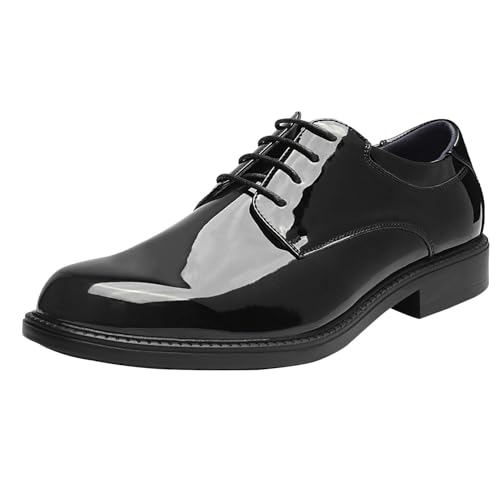
In the 1950s, men’s dress shoes were all about polished leather and timeless craftsmanship. These laced-up oxfords carried a sleek, professional look that paired well with suits and formal attire. The sleek design and smooth finish made them versatile for both business and social events.
Made with durable materials, they stood up to daily wear while maintaining a refined appearance. The classic black and patent styles were staples, blending effortlessly with the era’s sharp, structured fashion.
5. Dress Loafers

In the 1950s, men’s dress shoes often demanded rigid soles and polished laces for formal occasions. These loafers blend slip-on convenience with polished leather, offering a refined alternative to stiff dress shoes. The patent leather mimics the shine of classic Oxfords while eliminating the need for laces, ideal for events where ease meets elegance.
The slip-on design reduces foot fatigue, a practical upgrade over the cumbersome buckles of vintage styles. Black patent leather remains timeless, matching the polished sophistication of 1950s tailoring without sacrificing comfort. Perfect for both black-tie events and semi-formal gatherings.
6. Classic Lace-Up Formal Oxford Shoes
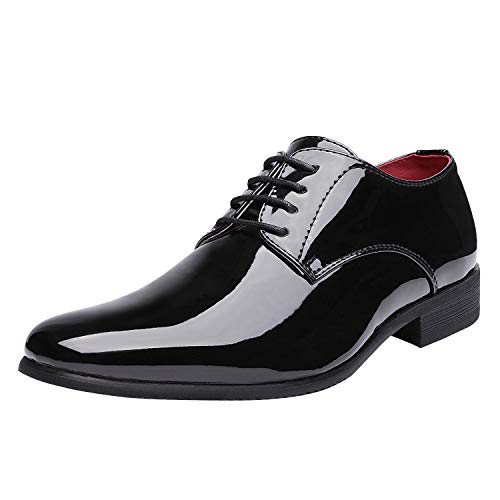
In the 1950s, men’s formal footwear demanded precision and polish. The faux patent leather oxfords from Bruno Marc offer that refined look without the weight or cost of genuine leather. They mimic the sheen and structure of classic 1950s heels while being durable and easy to maintain, ideal for both office and evening settings.
These shoes bridge the gap between vintage style and modern practicality. Unlike older designs that relied on heavy, stiff materials, this model keeps a sleek silhouette. The lacing system ensures a secure fit, while the black hue remains versatile for any formal occasion.
7. Leather Wingtip Formal Dress Shoes

In the 1950s, men’s dress shoes often balanced polished elegance with durable craftsmanship. Wingtip oxfords and brogue derbies dominated corporate and formal settings, offering refined details like hand-tooled stitching and polished leather. These styles stood out for their timeless sophistication, blending professionalism with subtle retro charm.
The yellow-brown hue of these shoes would have fit seamlessly into the era’s neutral palettes—think navy, gray, and charcoal—while the wingtip silhouette added a touch of classic sophistication. Unlike floppy loafers or stiff brogues of the past, these shoes offered both comfort and polished presence, ideal for business or evening events.
8. Men’s Oxford Wingtip Lace Dress Shoes

In the 1950s, men’s dress shoes often leaned toward rigid, polished leather with stiff soles, favoring conservative designs like oxfords with minimal detail. These styles prioritized formality over comfort, often requiring stiff laces and a rigid toe box for a polished look. The classic wingtip was a staple, but most lacked the sleek, modern refinement seen today.
Bruno HOMME’s contemporary oxfords bridge that gap with a refined blend of timeless elegance and modern adaptability. The wingtip shape remains, but the craftsmanship and flexibility offer a more comfortable, stylish alternative to the stiff 1950s models. They suit both business and casual wear without sacrificing quality.
9. Black White Wingtip Brogues

In the 1950s, men’s dress shoes often balanced classic elegance with subtle sophistication. These shoes offered a refined look with their polished leather and structured design, perfect for formal events or business settings. The wingtip detail added a touch of sophistication while maintaining durability, a key trait for daily wear.
The two-tone color scheme stood out without being overly flashy, blending well with suits and ties. Unlike overly ornate styles, they prioritized clean lines and comfort, making them practical for both city life and weekend outings. This blend of style and function made them a timeless choice for men seeking precision and polish.
10. Two-Tone Slip-On Loafers

In the 1950s, men’s footwear often leaned toward sleek leather loafers or polished oxfords, but these two-tone penny loafers offered a bold twist. The slip-on design made them practical for work or casual outings, while the patchwork pattern added a playful yet stylish contrast. Unlike stiff, formal shoes of the era, these boots balanced comfort with a retro flair.
The red and blue tones stood out against the monochromatic trends of the time, appealing to those who wanted a touch of whimsy. Their boat-style toe and moccasin-like softness kept them versatile, blending vintage charm with everyday wear. For men seeking something distinct yet functional, these shoes filled a niche the era’s footwear didn’t fully explore.
