
1920 shoes for women

As an Amazon associate, Comfy-Kicks.com earns from qualifying purchases at no cost to you.
The materials used were often lightweight and comfortable, like leather or patented fabrics. Women favored practical yet stylish designs that could easily transition from day to night. These shoes were designed to be both fashionable and functional, embodying the bold new spirit of the 1920s.
1920 shoes for women in 2026
1. Multi-Color Pump Shoe
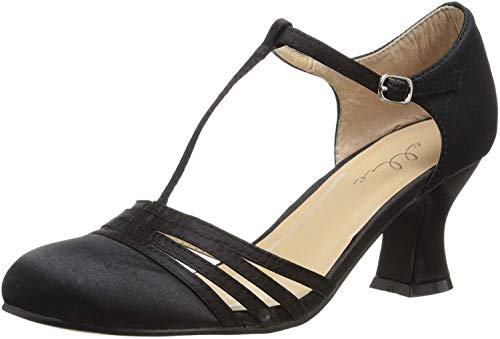
In the 1920s, women’s heels were bold yet practical, balancing style with comfort. The Lucille Pump offers a similar blend—its structured silhouette mimics the era’s sharp, tailored designs while modernizing for today’s wear. Multi-colored options add flair without sacrificing elegance, much like the bold prints of the Flapper era.
Heels from that time often prioritized height over cushioning, but this pump includes supportive arch design, making it far more versatile than the stiff, rigid heels of the decade. It’s a smart choice for those who want vintage-inspired sophistication with modern adaptability.
2. Latin Ballroom Wedding Heels

In the 1920s, women’s heels often balanced elegance with practicality, favoring sleek, low platforms or modest stilettos for evening wear. These shoes prioritized comfort over extreme height, allowing dancers and socialites to move freely while maintaining a polished look. The T-strap design of modern Latin ballroom pumps mimics that era’s structured yet fluid style, offering support without sacrificing grace.
The black color and pointed toe of these shoes evoke the bold, sophisticated silhouettes of the Roaring Twenties, where women embraced bold fashion. Unlike the stiff corsets of earlier decades, these pumps blend vintage flair with modern performance, making them ideal for both weddings and dance. Their five-inch height provides the lift needed for Latin rhythms while staying true to the era’s refined aesthetic.
3. Latin Salsa Dance Heels

In the 1920s, women’s dance shoes were sleek, practical, and designed for movement. T-strap heels offered stability without sacrificing ease, ideal for flapper dances and social gatherings. The non-slip sole kept feet secure on dance floors, a necessity in crowded ballrooms.
Today’s Latin dance pumps replicate that era’s balance—durable, stylish, and built for performance. Unlike flapper heels, these modern designs prioritize grip and comfort for hours of dancing. They bridge old elegance with modern function.
4. T-Strap Dance Heels

These modern dance heels mimic the sleek, structured elegance of 1920s flapper heels, offering the same sharp heel height for dramatic flair. They provide a secure, ankle-strapping design that keeps feet stable during fast-paced moves, much like the rigid laces of vintage ballroom shoes. The pointed toe and thin strap emphasize the classic silhouette while balancing comfort with precision, just as 1920s styles demanded both style and stability.
5. Ballroom Dance Shoes

In the 1920s, women’s dance shoes were sleek, supportive, and designed for fluid movement. These stylish yet functional footwear often featured low heels and flexible leather to enhance grace in ballroom and social dances. The t-strap design provided stability without sacrificing elegance, making them ideal for both performance and casual evening wear.
Modern versions like Keemi’s blend vintage flair with modern tech—durable leather, non-slip soles, and reinforced straps ensure comfort and grip. They replicate the era’s polished look while prioritizing performance, perfect for dancers who want both tradition and precision.
6. Women’s Round Toe Pumps

In the 1920s, women’s footwear evolved from stiff corseted heels to sleek, low platforms that embraced the flapper era’s freedom. These shoes offered comfort with a rounded toe and ankle straps, unlike the rigid heels of earlier decades. The Mary Jane style became practical for dancing and socializing, balancing style with ease.
Today’s versions replicate that balance—lightweight, flexible, and designed for both evening events and casual wear. Unlike the heavy brogues of yesteryear, these pumps prioritize support while maintaining a timeless elegance. They’re a nod to the past’s simplicity, now refined for modern comfort.
7. 1920s Flapper Dance Pumps

In the 1920s, women’s dance shoes were all about movement and flair, blending style with performance. These pumps often featured low, flexible heels to support graceful spins and quick footwork, perfect for salsa and ballroom dances. The glitter and gold accents mimicked the glamour of flapper fashion, adding a touch of sparkle without sacrificing comfort.
Designed for Latin and tango, they prioritized stability while allowing fluid motion. Unlike stiff formal shoes, these were built for energy, letting dancers embrace the rhythm without discomfort. The era’s aesthetic—bold yet refined—meets practicality in every step.
8. Portable Ballet Slippers
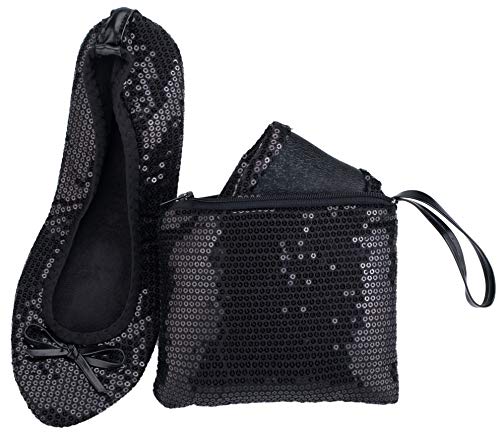
In the 1920s, women’s footwear often prioritized elegance over convenience, favoring stiff flats and high-heeled shoes that demanded careful storage. These styles were bulky, requiring separate cases or heavy bags to keep them pristine. The modern foldable flats offer a practical alternative—lightweight and compact, they slide into a purse effortlessly, just like the vintage satin flats of the era but without the cumbersome weight.
Unlike the rigid designs of the Roaring Twenties, these shoes adapt to travel needs while maintaining a sleek, sequined look. They mimic the refined silhouette of 1920s flapper flats without the bulk, making them ideal for quick changes or formal events. The simplicity of folding them down keeps them accessible, much like how women in the 1920s managed their footwear with clever storage tricks.
9. Vintage Flapper Dance Heels

In the 1920s, women’s footwear evolved dramatically, embracing bold styles like the flapper shoe. These T-strap designs offered both elegance and practicality, perfect for dancing and social events. The high heel and structured strap provided support while maintaining a sleek, modern silhouette that reflected the era’s liberated spirit.
Flapper shoes stood out with their sharp toe and low block heel, ideal for ballroom dances and nightlife. Unlike conservative strappy sandals, they balanced style with durability, making them essential for active social life. Their vintage charm remains a timeless choice for those seeking both nostalgia and performance.
10. Foot Cushion Inserts

These pads relieve foot strain from the rigid, pointed heels of 1920s fashion. The metatarsal and ball cushions distribute pressure evenly, easing the discomfort of narrow toe boxes. The heel inserts add subtle support without bulk, helping maintain balance in stiff, high-heeled designs.
The anti-slip pads prevent tripping in smooth floors, a common hazard with old shoes. The invisible design blends seamlessly into any style, keeping the focus on the classic elegance of vintage footwear.
