
worst shoes for plantar fasciitis

As an Amazon associate, Comfy-Kicks.com earns from qualifying purchases at no cost to you.
For plantar fasciitis, you need shoes that provide good shock absorption and a steady arch support. Avoid anything too thin or overly flexible, like some running shoes that bend too much. Even some casual shoes labeled “comfortable” might not be enough if they don’t have the right padding or heel counter. If you’re tired of walking around in pain, invest in a pair that actually supports your feet the way they need.
worst shoes for plantar fasciitis in 2026
1. Heavy Duty Arch Support Insoles

Worst shoes for plantar fasciitis often lack proper arch support, leading to constant strain on the foot’s bottom. These shoes—thin, flexible, or flat—force the arch to overwork, causing sharp pain, especially after standing long hours. High arches need firm cushioning to prevent overpronation, but cheap or poorly designed footwear ignores this need.
For heavy users or those with flat feet, insoles designed for 220+ lbs provide the arch support and shock absorption these shoes fail to deliver. They distribute weight evenly, reduce pain, and keep feet stable all day. Avoiding shoes that collapse under pressure is key to long-term relief.
2. Heavy Duty Plantar Fasciitis Arch Support Inserts

Worst shoes for plantar fasciitis often lack proper cushioning and arch support, leading to constant heel and foot pain. These insoles provide deep heel cup support and reinforced arch padding, distributing pressure evenly to ease discomfort.
Heavy-duty materials handle daily wear, while the firm yet flexible design mimics natural foot movement. Coral Green’s bright color makes them practical for work boots, reducing fatigue in long hours.
3. Orthopedic Running Shoes with Arch Support

Men’s orthopedic running shoes with arch support and breathable design are far superior for plantar fasciitis. They cushion heel strikes, reduce spur pain, and distribute weight evenly to ease foot strain. Poor shoes—thick, rigid, or unsupported—worsen inflammation and discomfort over time. Proper orthotics and shock-absorbing soles keep feet stable during standing and movement. If you’re dealing with heel pain, these shoes prevent long-term damage by prioritizing relief over cheap, basic footwear.
4. Women’s Lightweight Walking Shoes
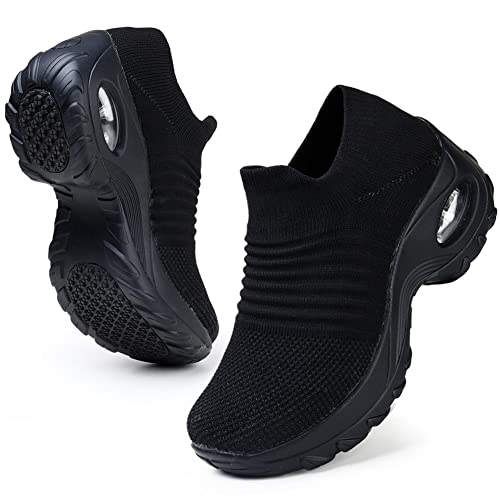
These shoes lack proper arch support and thick cushioning, which worsens plantar fasciitis pain. Slip-ons without sturdy footbeds shift weight unevenly, irritating the heel and arch over time. The lightweight mesh design offers no shock absorption, letting each step jar the feet further. For plantar fasciitis sufferers, these shoes are a recipe for aggravation rather than relief.
5. Heel Pain Relief Inserts

Tight, rigid heels and flat soles from poor footwear worsen plantar fasciitis by forcing uneven pressure on the arch. These cups provide cushioning between the heel and shoe, reducing sharp pain spikes. The gel inserts distribute weight evenly, cutting down on strain on the tendon.
For those with heel spurs or cracked heels, these pads absorb impact better than barefoot or thin-soled shoes. They also help with Achilles tendonitis by preventing excessive pulling at the heel. Simple, effective relief for daily wear.
6. Comfortable Orthopedic Walking Shoes

Slip-on shoes designed for plantar fasciitis often fail by lacking proper arch support or cushioning. Many standard sneakers offer minimal heel elevation, which worsens foot strain over time. Thin soles and rigid structures also fail to absorb shock, aggravating inflammation.
The slip-on style can be convenient, but poor fit or lack of orthopedic features turns them into the worst choices. Without adjustable closures or reinforced padding, they fail to support the foot’s natural alignment. If you need relief, prioritize designs that prioritize cushioning and arch support over ease of wear.
7. Orthopedic Arch Support Slippers

These loafers offer slip-on convenience with built-in arch support, easing morning stiffness and reducing strain during daily walks. The padded insole and firm heel counter help distribute pressure, which is critical for those with plantar fasciitis.
Vintage-style clogs with arch support can feel like a step backward if they lack proper cushioning or rigid soles. These slippers prioritize comfort over style, using thick foam and adjustable straps to lock in foot alignment. They’re better than flimsy flats but still risk aggravating pain if worn all day.
8. Women’s Plantar Fasciitis Relief Shoes

If you’ve ever walked in shoes that feel like they’re digging into your feet, you know how bad the worst options can be. Most cheap sneakers lack proper arch support, leading to sharp pain in the heel or ball of the foot. These shoes often collapse under daily wear, forcing your feet to overcompensate and worsening plantar fasciitis over time.
The BiNHam Women’s Walking Shoes stand apart by offering built-in orthotic support and cushioning tailored for arch pain relief. Unlike flimsy, unsupportive designs, they distribute pressure evenly, reducing strain on the foot’s natural structure. For gym workouts or long walks, they provide stability without sacrificing comfort—unlike the worst choices that leave you in constant discomfort.
9. Orthopedic Slip-On Loafers

These slip-on loafers claim to ease plantar fasciitis by offering arch support and shock absorption, but many sufferers find them too rigid. The EVA and rubber sole may not flex enough for natural foot movement, worsening pain over time. If you need relief, prioritize shoes with softer, adaptive soles and proper cushioning. These loafers often lack the adaptability to truly support long-term relief.
10. Orthopedic Plantar Fasciitis Support Shoes
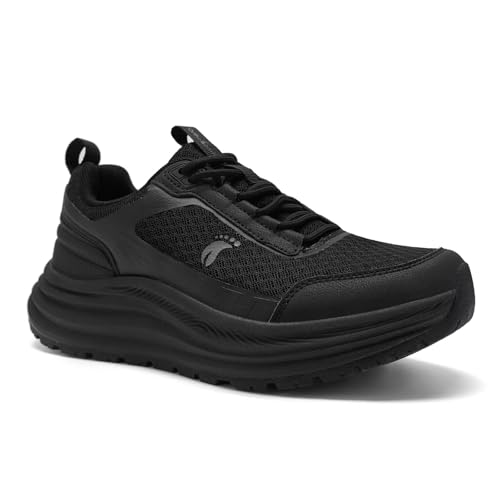
Worst choices for plantar fasciitis often lack proper arch or heel support, leading to sharp pain and discomfort. These shoes typically feature thin soles, rigid structures, or no cushioning, forcing the foot to bear weight unevenly.
Women’s orthopedic wide sport shoes designed for plantar fasciitis offer padded heels, reinforced arch support, and deep grip soles. They prevent heel spurs and reduce strain, making them far better than flimsy athletic or walking footwear.
