
what are the best shoes for sore feet

As an Amazon associate, Comfy-Kicks.com earns from qualifying purchases at no cost to you.
Stick to shoes with a wide toe box so toes aren’t cramped. Avoid high heels or narrow designs—they force your feet into unnatural positions. Brands like Hoka, Brooks, or Asics often have models with good arch support and cushioning. If you have specific issues like plantar fasciitis, look for extra padding or orthotic-friendly designs. Simple, supportive shoes will help keep your feet happy all day long.
what are the best shoes for sore feet in 2026
1. Blister Protection Pads

When feet ache from tight or poorly supportive footwear, the right shoes matter. Opt for cushioned, arch-supported styles with breathable materials to reduce pressure. Look for shock-absorbing soles and a roomy toe box to prevent irritation.
For extra relief, pair them with blister pads that seal and protect blisters. These pads use hydrogel to cushion pressure, keeping feet dry and pain-free all day. Choose shoes with flexible, durable designs to avoid friction.
2. Pressure Relief Insoles for Foot Pain

For those with nerve pain or neuropathy, proper foot support is critical. Dr. Scholl’s insoles ease discomfort by distributing pressure evenly, which helps reduce sharp pains in the feet. Diabetics especially benefit from this relief, as it lowers the risk of complications from poor circulation.
When choosing shoes for sore feet, these inserts work alongside the right footwear to keep joints stable. Look for cushioned soles and arch support in shoes sized to fit well. The insoles help maintain this balance, making them a key part of any foot care routine.
3. Heel Pain Relief Inserts

For those with heel pain, supportive shoes are key. Look for models with firm arch support, cushioned soles, and a stable heel counter to reduce strain on the plantar fascia. Avoid flimsy heels or thin soles that worsen discomfort over time.
Heel protectors like anti-slip cups can ease pain by distributing pressure. They’re especially useful for Achilles tendonitis or cracked heels. Pair them with shoes that offer shock absorption and a snug fit for lasting relief.
4. Women’s Heel Comfort Pads

For women dealing with foot pain from high heels, six pairs of heel grips and cushioned inserts can make a difference. These grips prevent slippage, keeping heels secure while reducing strain on arches and heels. They also distribute pressure evenly, easing discomfort from prolonged standing or walking.
Heel pads and metatarsal cushions add extra support where it matters most. They absorb shock, reducing fatigue in sore feet, and help maintain proper alignment. For those who need extra comfort, these inserts transform stiff shoes into more forgiving options.
5. Heel Pain Cushion Inserts

Plantar fasciitis inserts provide targeted relief by cushioning the heel and supporting the arch, reducing sharp pain from heel spurs or overuse. They’re designed to fit most shoes, offering extra comfort without needing specialized footwear.
For sore feet, prioritize shoes with thick, shock-absorbing soles and reinforced heels. These inserts complement the right footwear by adding support where needed, making daily walking or standing more manageable.
6. Energy Relieving Foot Inserts

If you’re dealing with tired, achy feet, the right insole can make a difference. These insoles use memory foam and gel to cushion each step, easing pressure on sore areas. They help restore energy with every movement, reducing fatigue over time.
For shoes that match this relief, look for arch support and shock-absorbing materials. Brands offering these features keep feet comfortable all day.
7. Forefoot Gel Cushions

Soft gel metatarsal pads help reduce pressure on the ball of the foot, easing pain from standing or walking long hours. They’re lightweight and versatile, fitting most shoes to provide consistent relief. For sore feet, prioritize shoes with good arch support and cushioning—like motion-controlled or stability running shoes—to prevent further strain. Avoid flat, rigid shoes that worsen discomfort.
8. Overpronation Orthotics Insoles
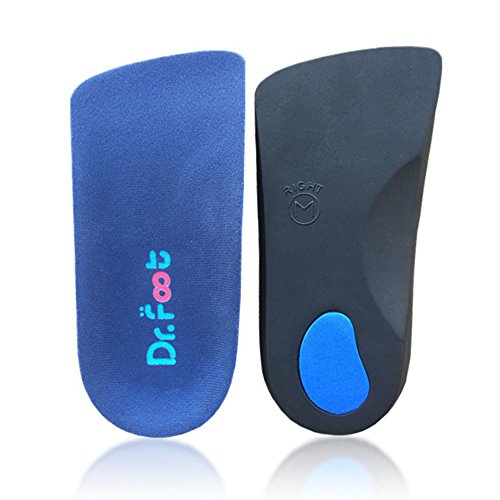
For over-pronation or fallen arches, these insoles provide targeted arch support that mimics custom footwear. They reduce heel pain and distribute weight evenly, easing plantar fasciitis and heel spurs over time. Ideal for daily wear, they fit well in most shoes without bulk.
If you’ve got wide feet or need extra cushioning, these insoles adapt to your gait. They’re lightweight yet durable, making them a practical choice for all-day comfort. Pair them with supportive shoes, and you’ll cut down on foot strain.
9. Heel Pressure Relief Pillows

If you’re dealing with foot sores or ulcers, supportive footwear and cushioned inserts are key. The DMI heel cushion protector provides relief by distributing pressure evenly, reducing discomfort during long hours of standing or walking. Its adjustable size lets you tailor it to fit different foot shapes, while the set of two ensures both feet get equal care.
For sore feet, prioritize shoes with thick, cushioned soles and reinforced heels to absorb impact. Avoid narrow or rigid designs that trap pressure. The DMI pillow complements this by adding extra support, making it a practical choice for anyone needing gentle relief.
10. Gel Heel Cushion Inserts

When dealing with heel pain, the right shoes make a difference. Look for models with ample arch support and cushioned soles to absorb impact. These features help reduce strain on the heel area, especially for those with conditions like plantar fasciitis or heel spurs.
For extra relief, consider inserts that provide gel padding. They distribute pressure evenly, easing discomfort during long walks or standing. Pair them with shoes designed for shock absorption to keep feet supported.
