
what are the best shoes for people with heel spurs

As an Amazon associate, Comfy-Kicks.com earns from qualifying purchases at no cost to you.
Stability is another big factor. If your heel spurs are causing misalignment, shoes with firm support and a steady heel counter will keep your foot in place. Avoid flimsy or overly flexible shoes—they won’t protect your heels. Also, make sure the shoes have a good heel-to-toe drop, usually around 2-4 inches, to reduce strain. Brands like Asics or Vionic focus on stability and pain relief, so those could be solid choices if you’re looking for something more specialized.
what are the best shoes for people with heel spurs in 2026
1. Heel Pain Gel Cushions

For heel spurs, supportive shoes with firm heel counters and cushioned soles are key. Look for models with thick, shock-absorbing midsoles to reduce impact on the heel area. Arch support and a slight heel lift help distribute pressure evenly, easing pain from spurs.
Heel cup protectors like these gel pads add extra cushioning directly over the heel. They’re especially useful for those with Achilles tendinitis or cracked heels, as they prevent friction and absorb shock. Pair them with shoes that offer stability and proper fit to maximize relief.
2. Heel Pain Relief Inserts

For heel spurs, supportive footwear is key—arches must cushion impact and prevent further irritation. Shoes with thick soles and reinforced heel counters help distribute pressure evenly, reducing sharp pain. Look for brands offering firm heel lifts or shock-absorbing midsoles to ease strain on the plantar fascia.
Inserts like these gel pads add extra support where needed. They absorb shock directly on the heel, reducing inflammation from spurs. Pair them with shoes that lock the heel in place to prevent slippage and worsening discomfort.
3. Plantar Fasciitis Heel Inserts
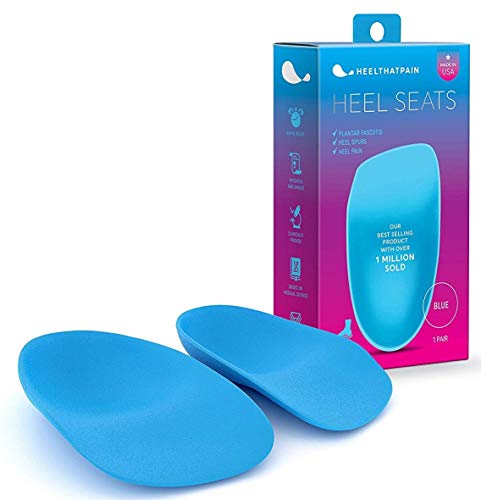
Sturdy, cushioned shoes with thick, supportive heels are key for heel spur relief. Look for models with reinforced arch support and deep heel cups to distribute pressure evenly. Avoid flat-soled or minimalist shoes, which worsen pain by lacking proper shock absorption.
Prioritize brands offering extra cushioning in the heel area. These shoes reduce strain on the plantar fascia and heel bone, easing flare-ups. Brands with built-in orthotic inserts often perform best for consistent relief.
4. Heel Pain Relief Cushion Inserts
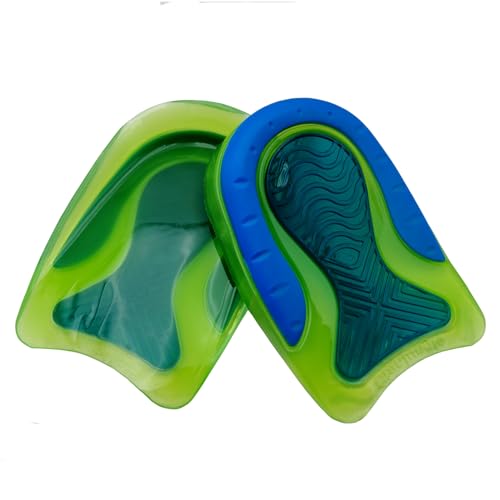
For heel spurs, supportive shoes with thick, cushioned heels are key. Look for models with reinforced toe boxes and arch support to reduce impact. Soft, flexible soles help absorb shock, easing pain from bony growths.
Heel pads and insoles add extra cushioning, spreading pressure evenly. They prevent overuse strain and reduce flare-ups. Prioritize breathable materials to avoid swelling and irritation.
5. Heel Support Inserts

For heel spurs, supportive shoes with firm heel counters and cushioned soles help reduce impact. These inserts provide arch support and shock absorption, easing pain from inflammation or spurs. They fit well in most footwear, offering relief without needing custom orthotics.
Look for shoes with thick, padded heels and flexible yet sturdy midsoles. These inserts complement the right footwear by stabilizing the foot and distributing pressure evenly. Proper alignment prevents strain on tendons and ligaments.
6. Orthopedic Flat Feet Loafers

For heel spurs, supportive slip-on loafers with arch and heel cushioning are ideal. They reduce pressure on the heel by distributing weight evenly, easing sharp pain from spurs. The deep heel cup and shock-absorbing soles help prevent further irritation, making them perfect for daily wear.
Diabetic-friendly designs also prevent blisters and infections, which is critical for long-term relief. The slip-on style keeps feet dry and reduces friction, keeping them comfortable all day.
7. Heel Pain Relief Inserts

Heel spurs often demand shoes with thick, cushioned soles and firm heel support to reduce impact. Arch support and a slightly raised heel counter help distribute pressure evenly, easing pain from spurs. Look for shoes with motion control or stability features to prevent overpronation, which worsens heel strain.
Inserts like these provide targeted relief by absorbing shock and supporting the arch. They’re ideal for flat feet or overpronation, reducing strain on the heel. Pair them with shoes that offer ample cushioning and a rigid heel to maximize comfort and prevent recurrence.
8. Plantar Fasciitis Heel Insoles
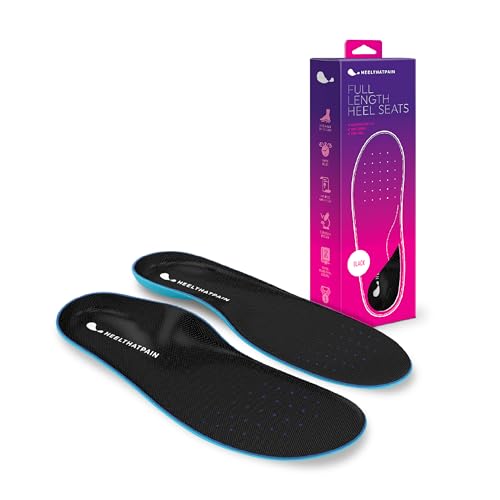
For heel spurs, supportive footwear is key. Look for shoes with thick, cushioned soles and firm arch support to reduce pressure on the heel. These insoles provide deep heel cup support and a contoured base to distribute weight evenly, easing sharp pain.
The technology inside helps stabilize the foot’s natural movement while reducing inflammation. Pair them with shoes that offer ample toe space and a stable heel counter to prevent excessive rolling. This combo keeps the heel aligned properly, minimizing irritation from spurs.
9. Heel Cushion Inserts

For heel spurs, thick heel cushion inserts provide shock absorption and reduce pressure on the spur area. Look for shoes with deep heel cups and firm midsoles to support the arch and ease pain during walking or standing.
Opt for cushioned footwear with arch support to prevent further irritation. Brands offering these features help manage plantar fasciitis and heel pain effectively.
10. Orthotic Insoles for Foot Support

For heel spurs, supportive shoes paired with custom arch support are key. These insoles provide deep heel cushioning and gradual arch lift, reducing impact on the heel. They help distribute weight evenly, easing pain from heel spurs and plantar fasciitis.
Look for shoes with firm midsoles and rocker soles to encourage natural movement. The self-adhesive design ensures long-lasting comfort without extra hardware. These insoles work best with sturdy, cushioned footwear to protect the affected area.
