
what are the best shoes for high arches

As an Amazon associate, Comfy-Kicks.com earns from qualifying purchases at no cost to you.
Stick to shoes with a wide toe box so your toes don’t feel cramped. Avoid flat soles or minimalist designs that don’t offer enough cushioning. Walk in them first to make sure they fit well before buying. If you’re on your feet all day, consider orthotic inserts for extra comfort. Don’t ignore discomfort—it’s better to find the right shoes early.
what are the best shoes for high arches in 2026
1. Heavy Duty Arch Support Insoles

For high arches, proper arch support is critical. Insoles with firm gel or rubber padding help distribute weight evenly, reducing strain on the foot’s natural curve. They prevent overpronation by maintaining alignment, easing pain from metatarsalgia or plantar fasciitis. Look for deep heel cups and adjustable fit options to ensure comfort and stability.
Shoes with reinforced arch support and thick soles are ideal. Brands prioritize cushioning in the forefoot and heel to offset the arch’s lack of natural cushioning. Avoid flimsy designs that collapse under pressure—opt for durable, structured footwear to protect joints and prevent long-term discomfort.
2. Orthotic Insoles for Arch Support
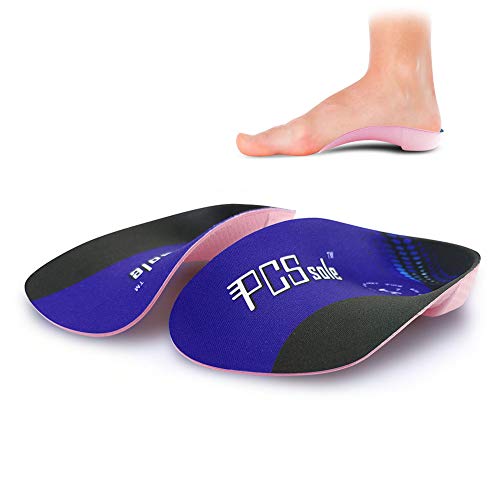
For high arches, proper arch support is key to preventing pain and strain. These insoles provide deep medial support, mimicking a shoe’s built-in arch to reduce heel and forefoot pressure. They help distribute weight evenly, easing stress on the plantar fascia and heel spurs.
If you’ve got rigid arches, these insoles offer firm cushioning without collapsing. They’re ideal for flat shoes or sneakers needing extra structure. Overpronation sufferers will notice better alignment and reduced joint stress.
3. Arch Support Orthotic Inserts

High arches can cause pain and strain, so the right footwear matters. Look for shoes with thick, cushioned soles and firm arch support to distribute weight properly. These insoles provide extra cushioning and arch lift, reducing pressure on the foot’s natural curve. They’re ideal for men and women dealing with arch pain or plantar fasciitis, helping to ease discomfort while maintaining stability.
4. Plantar Fasciitis Orthotics

High arches naturally shift weight toward the heel and forefoot, making supportive insoles critical. Look for shoes with deep heel cups and firm midsoles to maintain arch alignment. These insoles distribute pressure evenly, easing pain from overpronation or plantar fasciitis.
For walking or running, prioritize cushioned heel inserts to absorb shock. Flat feet or mild overpronation benefit from slight arch support, but high arches need stiffer structures to prevent collapse. Combine these insoles with shoes designed for stability and durability.
5. Plantar Fasciitis Relief Insoles

For high arches, proper arch support is key to preventing pain and fatigue. Look for shoes with thick, cushioned midsoles and firm heel counters to distribute weight evenly. These features help reduce strain on the arch and heel, easing discomfort over time.
The best options also feature breathable materials to keep feet dry. Inserts like these provide extra cushioning and arch support, ensuring stability during long walks or standing. They’re ideal for those with tight arches or common issues like plantar fasciitis.
6. Orthopedic Arch Support Shoe Inserts

High arches demand firm arch support to prevent overloading the foot’s natural curve. These removable insoles provide customizable cushioning that mimics the arch’s shape, reducing strain on the plantar fascia and knees. They offer stability for over-pronation, easing standing pain by distributing weight evenly across the foot.
For those with high arches, these insoles act as a bridge between shoes and feet, preventing flat-feeling soles from worsening discomfort. They’re ideal for daily wear, balancing flexibility with structural support—critical for long-term relief.
7. Arch Support Insoles
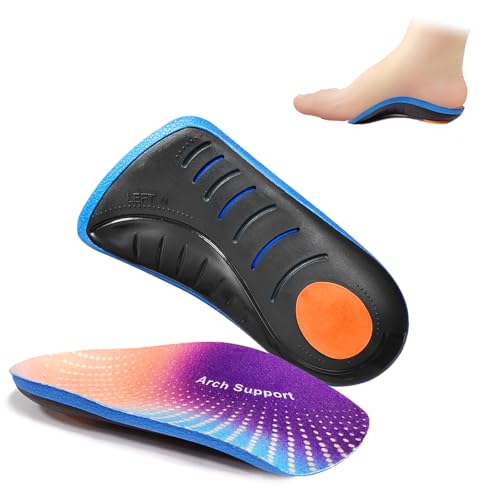
For high arches, supportive insoles are key. They distribute weight evenly, reducing strain on the heel and arch. These inserts provide firm cushioning, preventing overpronation and easing heel pain. They also help maintain natural foot alignment, which is critical for long-term comfort.
Look for materials that breathe and mold to your feet. These insoles adjust to your arch shape, offering relief for plantar fasciitis and flat feet issues. They’re especially useful in shoes with minimal arch support, ensuring stability and reducing fatigue.
8. High Arch Support Shoe Inserts

For high arches, proper arch support is critical to prevent pain and strain. These shoes offer a firm, structured midsole that cradles the arch, reducing pressure on the foot’s natural curve. The extra-high design helps distribute weight evenly, easing discomfort from conditions like plantar fasciitis.
The metatarsal support adds targeted relief, shielding sensitive areas from overuse. Made in Germany, they combine durability with precision engineering, making them ideal for daily wear. The tan color blends well with most outfits, keeping functionality front and center.
9. Plantar Fasciitis Arch Support Inserts

For plantar fasciitis, arch support inserts help distribute pressure evenly, reducing strain on the heel and arch. High arches make this condition worse by causing overpronation, so shoes with firm support and cushioned soles are key. Look for models with thick, flexible midsoles to absorb shock.
Arch support inserts like those for flat feet or metatarsalgia also work for high arches by preventing excessive arch collapse. Bone spurs often need extra cushioning to ease pain. Prioritize shoes with a wide toe box and reinforced heel counters to keep feet stable.
10. High Heel Arch Support Insoles

For high arches, the best shoes prioritize arch support and cushioning to distribute weight evenly. Look for models with built-in orthotics or removable insoles to correct alignment and reduce strain. Stiff soles and a wide toe box also help prevent overpronation and discomfort.
The Catwalk insoles do just that—designed to ease pain from high heels by shaping arches naturally. They fit snugly in pumps, sandals, or boots, offering long-term relief without sacrificing style. Proper support is key for long-term foot health.
