
what are the best shoes for foot drop

As an Amazon associate, Comfy-Kicks.com earns from qualifying purchases at no cost to you.
Look for shoes with good arch support and a deep heel cup to keep your foot stable. A rocker sole can help by guiding your foot smoothly through the gait cycle, reducing the need to lift toes. Brands like Brooks, Asics, and Hoka offer models designed for people with foot drop, but you might also find good options in orthopedic footwear. Always try them on to make sure they fit well and don’t cause extra discomfort. If possible, get them fitted with custom inserts if your doctor recommends it.
what are the best shoes for foot drop in 2026
1. Foot Drop AFO Brace

For foot drop, sturdy shoes with deep, wide toe boxes and reinforced soles are key. Look for rocker-bottom or semi-rocking designs to ease pressure on the ankle. Cushioned midsoles and good arch support reduce strain while walking.
Avoid narrow or pointed-toe styles—they force awkward positioning. Metal toe caps or reinforced heels prevent tripping. Prioritize breathable materials to avoid blisters.
2. Foot Drop Brace

For foot drop, the right shoes matter just as much as the brace. Look for rigid soles that prevent toe drag—think of stiff, motion-control footwear like hiking boots or athletic shoes with good arch support. Avoid soft sneakers or flimsy sandals, as they won’t stop the foot from dragging during walks.
The brace itself helps, but shoes must match. Opt for shoes with a raised heel or a slight lift to reduce strain. Brands like Brooks or Asics often design shoes with built-in drop support, making them ideal for consistent use with a brace.
3. Foot Drop AFO Brace
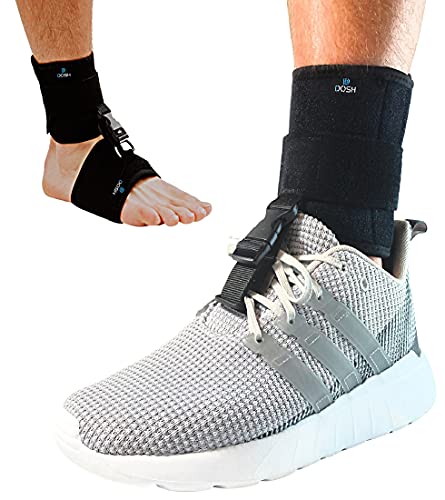
For foot drop, supportive shoes are key. Opt for rigid soles and rocker-bottom designs to encourage natural gait. Look for wide toe boxes to prevent pressure points, and sturdy heel counters for stability.
The best shoes pair well with an AFO brace like the one mentioned. These shoes should have good arch support and shock absorption. Avoid flimsy or overly flexible footbeds that worsen instability.
4. Foot Drop Support Brace

For foot drop, supportive shoes are key. Look for wide toe boxes to prevent strain, and sturdy soles with good grip to reduce falls. Arch support and motion control help distribute weight properly, easing plantar fasciitis pain.
The Omeer brace offers relief without bulky shoes. It fits under socks or barefoot, letting you walk freely while supporting the ankle. For plantar fasciitis, choose shoes with cushioning and a slight heel lift to reduce stress on the foot.
5. Foot Drop Brace

For foot drop, the right shoes must offer ample ankle support and a sturdy heel to prevent tripping. Look for models with deep toe boxes and rocker soles to encourage natural movement. Orthotic inserts can also help by redistributing pressure and improving stability.
When paired with a brace like this design, shoes should prioritize flexibility and shock absorption. Avoid stiff, rigid footwear that restricts motion. Brands like Brooks or Hoka provide excellent drop support with their cushioned midsoles and wide toe areas.
6. Foot Drop Brace for Walking

For foot drop, proper footwear is critical. Look for shoes with deep, supportive toe boxes and sturdy soles that lift the foot higher off the ground. These features help compensate for weakened dorsiflexion, improving stability during walking and reducing fatigue.
A good brace like the one described can pair well with these shoes by actively lifting the foot. It enhances gait efficiency, prevents tripping, and protects against injuries. Choose shoes with ankle support and a firm heel to work best with the brace.
7. Dual Forefoot Support Foot Brace

For foot drop, the right shoes must provide sturdy ankle support and a deep heel cup to prevent slippage. Look for models with rocker soles that encourage natural foot movement, reducing strain on weakened muscles. Cushioned midsoles help absorb impact, while wide toe boxes accommodate swelling or deformities.
When paired with a brace like the one designed for walking, these shoes must offer flexibility and stability. Avoid stiff, rigid designs that restrict motion. Brands known for foot drop support include those with extra-depth uppers and reinforced forefoot areas to prevent tripping.
8. Drop Foot Brace Support

For foot drop caused by conditions like ALS or MS, supportive shoes are key. Look for models with deep heel cups, rocker soles, and ample toe space to prevent tripping. Cushioned midsoles help absorb impact, while rigid heel locks the foot in place for stability.
Sturdy, wide-platform shoes—like those with extra padding—reduce strain on weakened ankles. Avoid thin soles; opt for reinforced, slip-resistant designs. Brands offering adjustable fit and arch support are ideal for consistent comfort.
9. Foot Drop AFO Brace

For foot drop, sturdy shoes with deep, wide toe boxes help prevent tripping. Look for rocker soles that encourage natural gait while reducing strain. Soft, cushioned midsoles absorb impact, easing fatigue during long walks.
The best shoes pair well with a foot drop brace like the one mentioned. Opt for flexible, supportive footwear to maintain balance. Avoid stiff heels or narrow fits to keep movement smooth. Prioritize breathable materials to avoid swelling.
10. Foot Drop Brace Support
For foot drop, the right shoes must provide sturdy arch support and prevent excessive toe drag. Look for models with deep heel cups, rocker soles, and reinforced forefoot areas to ease walking. These features help maintain proper foot alignment and reduce strain on weakened muscles.
When paired with a brace like the dual forefoot support version, shoes should offer extra cushioning and shock absorption. Brands known for foot drop relief include those with motion-control designs, like those with wide toe boxes and flexible yet supportive midsoles. Prioritize stability over style to ensure consistent function.
