
what are the best shoes for a high arch

As an Amazon associate, Comfy-Kicks.com earns from qualifying purchases at no cost to you.
Stability is key too, so avoid flimsy or overly flexible shoes that let your foot slide around. Check for reinforced toe boxes and sturdy midsoles to keep your arches from collapsing. Brands like Asics and Ecco also offer good options with arch support and durability. Don’t forget to replace shoes every 300-500 miles if they’re worn down—your feet will thank you.
what are the best shoes for a high arch in 2026
1. Heavy Arch Support Orthotics

High arches can make walking and standing uncomfortable, often leading to heel pain or overpronation. The best shoes for these arches need firm support and shock absorption. These insoles provide deep arch cushioning and durable structure, reducing strain on the foot’s natural curve. They also offer stability for flat feet or pronation issues, making them ideal for long-term wear. Coral green color adds a stylish touch without sacrificing performance.
2. Arch Support Insoles

For high arches, insoles with firm arch support help distribute weight evenly across the foot, reducing strain on the plantar fascia and metatarsal bones. Look for gel-cushioned inserts that provide shock absorption while maintaining structural integrity—this eases pain from pronation and metatarsalgia without collapsing underfoot.
Sturdy, padded options trim to fit well, ensuring they stay in place during activity. Prioritize materials that mold slightly to your arch shape for long-term relief. These insoles are ideal for runners or anyone with chronic arch pain, offering both support and comfort.
3. Orthotic Arch Support Inserts
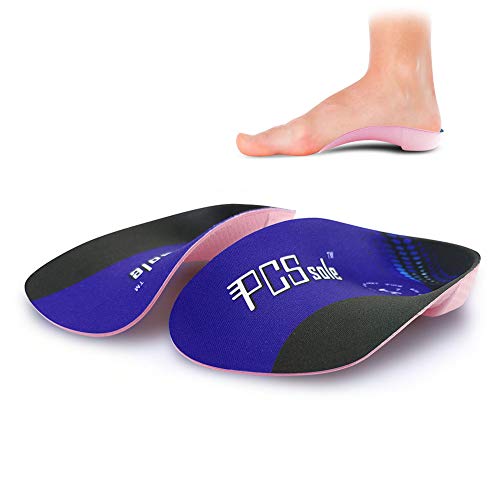
For high arches, supportive insoles are key to distributing weight properly. These inserts provide arch support that mimics a shoe’s built-in structure, preventing over-stretching of the foot’s natural curves. They help reduce heel pain and fatigue by cushioning the heel and maintaining alignment.
Look for shoes with firm, structured midsoles that encourage natural foot positioning. These insoles work best when paired with shoes that offer stability without excessive flexibility. Proper arch support prevents strain on the plantar fascia and heel spurs.
4. Arch Support Insoles for High Arch Pain
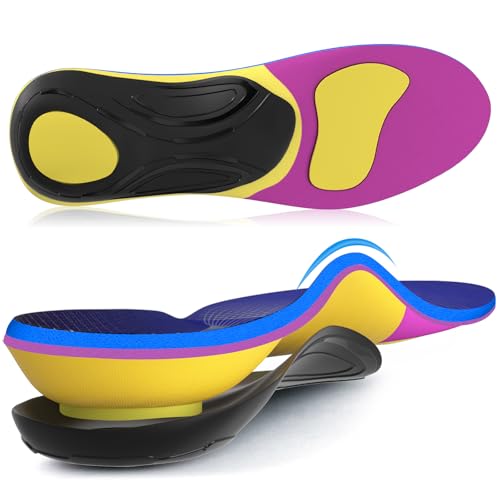
High arches can make walking feel like walking on a board—painful and unstable. The best shoes for these arches need deep cushioning and firm arch support to distribute pressure evenly. Look for models with thick, responsive midsoles and reinforced toe boxes to prevent overpronation.
Prioritize brands that specialize in orthopedic footwear, offering sturdy soles and adjustable straps. These shoes should also have a wide toe box to prevent pinching, which worsens arch strain. For daily wear, prioritize breathable materials and shock-absorbing tech to ease fatigue.
5. Arch Support Insoles

For high arches, proper arch support is critical to prevent overpronation and stress on the feet. These inserts provide firm cushioning that mimics natural foot mechanics, distributing weight evenly and reducing strain on the heel and forefoot. They’re designed to lock into most shoes, ensuring stability without bulk.
The five-color options make them practical for daily wear, whether at work or casual activities. Unlike generic pads, they offer targeted relief by supporting the arch while maintaining flexibility, which is key for long-term comfort. They’re ideal for those who need consistent support without sacrificing mobility.
6. Orthopedic Arch Support Inserts

High arches mean less natural cushioning, so insoles with deep heel cups and firm arch support are key. These removable inserts help distribute pressure evenly, easing plantar fasciitis and reducing knee strain from over-pronation. Standing all day? They lock into most shoes, offering relief without bulky inserts. Look for ones with shock-absorbing foam and flexible padding to match your arch’s natural curve.
7. Orthotic Arch Support Insoles

For high arches, supportive insoles are key to distributing weight evenly and reducing strain on the foot structure. These insoles provide firm arch support to prevent overpronation and ease pain from conditions like plantar fasciitis. They help maintain proper foot alignment, reducing fatigue during daily wear.
Look for shoes with cushioned soles and rigid midsoles to complement these inserts. Brands offering arch-friendly designs—like those with thick, supportive bases—work best. Proper fit and flexible yet sturdy materials ensure long-term relief and comfort.
8. Professional Arch Support Inserts

High arches shift your weight unevenly, causing heel and arch pain. The best shoes for these arches need deep toe boxes, firm midsoles, and arch support to distribute pressure properly. Look for models with cushioned soles and reinforced forefoot areas to prevent overpronation.
For serious relief, inserts like these provide custom support, reducing strain on tight plantar fascia and heels. They’re ideal for walking, standing, or running—any activity where arch strain builds up. Prioritize shoes with thick padding and sturdy heel counters to keep your feet stable.
9. High Arch Orthotic Insoles

For high arches, the best shoes prioritize deep toe boxes and flexible materials to accommodate foot shape without forcing the arch. Look for reinforced toe caps and cushioned soles to absorb shock while maintaining arch support. These features help distribute weight evenly and reduce strain on the foot’s natural structure.
Orthotic inserts like these work boots’ inserts add critical arch elevation and shock absorption. They prevent overpronation and ease pain from conditions like plantar fasciitis or metatarsalgia by stabilizing the foot’s alignment. For long-term comfort, prioritize breathable, durable options that adapt to your arch’s needs.
10. Anti-Fatigue Orthotic Shoe Inserts

For high arches, the best shoes prioritize arch support and shock absorption to prevent overpronation and stress on the foot. Look for models with firm, structured midsoles and padded insoles to distribute weight evenly. These features reduce strain on the plantar fascia and heel, easing pain over time.
Opt for rigid orthotic inserts or built-in arch support to maintain proper foot alignment. Materials like EVA or gel cushioning help absorb impact during standing or walking. Flat feet or overpronation can worsen arch issues, so stability-focused designs are key. Prioritize breathable uppers to avoid swelling and discomfort.
