
trail running shoes for road running

As an Amazon associate, Comfy-Kicks.com earns from qualifying purchases at no cost to you.
Most trail shoes have a slightly higher heel drop than road shoes, which helps with stability on inclines. Some even have rock plates or reinforced toe caps to shield your feet from sharp debris. If you’re serious about trail running, investing in good shoes is worth it—you’ll feel safer and more confident when you’re out on the path. Just make sure they fit well and let your feet move naturally.
trail running shoes for road running in 2026
1. Trail Running Shoe
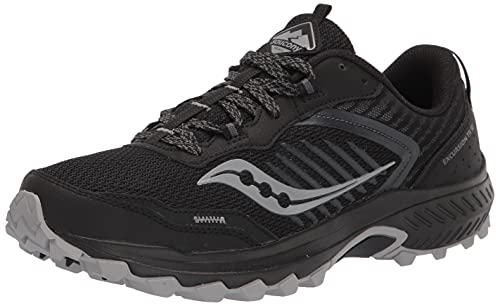
Trail runners who switch to road paths often find Saucony’s Excursion TR model holds its own. The deep grip and durable outsole provide stability on uneven terrain, making it reliable for mixed conditions. Its cushioned midsole absorbs impact better than most road shoes, reducing fatigue over long runs.
The lightweight design keeps pace with road runners, while the reinforced toe cap protects against rocks and roots. Its breathable upper stays dry longer than many trail shoes, making it practical for both trails and pavement.
2. Fresh Foam Running Shoe

Trail runners need grippy soles and durable construction, and this shoe delivers. The Fresh Foam midsole offers a balanced, responsive ride for long road runs while its gum-out toe box keeps edges sharp for uneven terrain. The metallic accents add style without sacrificing durability, making it a practical hybrid for those who switch between paths and pavement.
The lightweight design keeps fatigue low, and the reinforced heel ensures stability on rough trails. Its closed-toe design protects toes while still letting feet breathe, making it a smart choice for mixed terrain.
3. Running Shoe

Trail runners who also hit pavement often find road shoes too rigid for uneven terrain. The Excursion TR model bridges that gap with a flexible yet supportive design. Its durable outsole grips both dirt and pavement, while the cushioned midsole absorbs impact on roads and trails alike.
The shoe’s breathable upper keeps feet dry on sweaty runs, and the reinforced toe box prevents blisters on rough trails. For those who switch between surfaces, it’s a reliable choice that won’t let you down.
4. Hiking Shoe
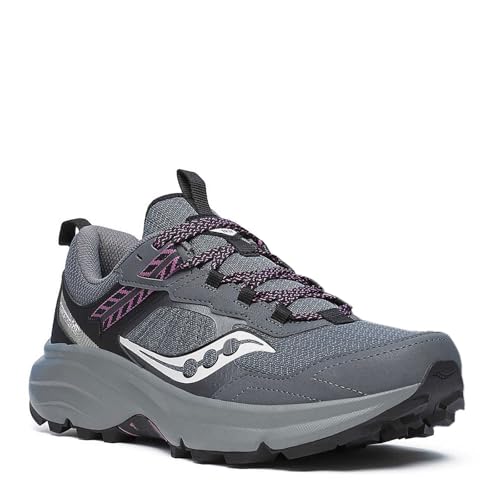
This shoe blends rugged trail grip with smooth road efficiency. The carbon/cindé midsole adapts to uneven terrain while maintaining lightweight responsiveness, making it ideal for mixed surfaces. Its durable outsole handles loose rocks and roots better than most road shoes, reducing fatigue on technical trails.
The design prioritizes versatility—perfect for runners who switch between pavement and trails. The cushioning stays supportive on roads, while the reinforced toe box prevents blisters on rough paths. It’s built for those who need a shoe that won’t quit, whether they’re hitting the backcountry or a quick loop.
5. Trail Running Shoe

Trail runners who switch to road courses often find the Lone Peak’s wide, cushioned sole surprisingly adaptable. Its plush midsole absorbs road impacts better than many trail shoes, making it a rare hybrid for smooth pavement. The toe box stays roomy enough for uneven terrain but fits tight enough for daily mileage.
The shoe’s lightweight construction and grippy outsole handle loose trails, but the durable rubber also grips asphalt well. For those who alternate between trails and roads, it delivers consistent performance without sacrificing comfort or speed.
6. Road Running Shoes
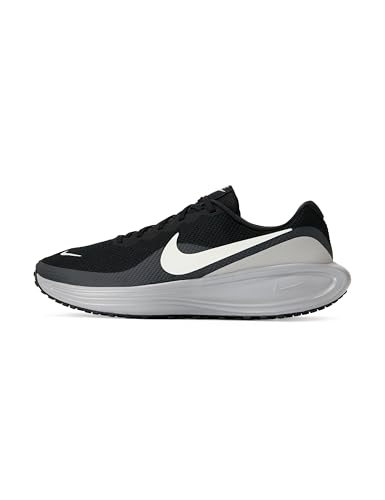
These shoes blend road efficiency with rugged trail adaptability. The lightweight design keeps pace on pavement while the durable outsole grips uneven terrain. The cushioning absorbs impact on smooth roads, reducing fatigue for long sessions. The breathable upper stays dry and comfortable, making them reliable for varied conditions.
7. Trail Running Shoe

This shoe bridges gaps between trail and road running with its lightweight yet grippy outsole. The rubber compound clings to loose terrain while still handling pavement smoothly, making it ideal for mixed conditions.
The midfoot support keeps runners steady on uneven paths, while the snug fit prevents slippage on flat surfaces. The bright color adds visibility, and the durable build ensures longevity for both trails and roads.
8. Ultra Trail Running Shoe
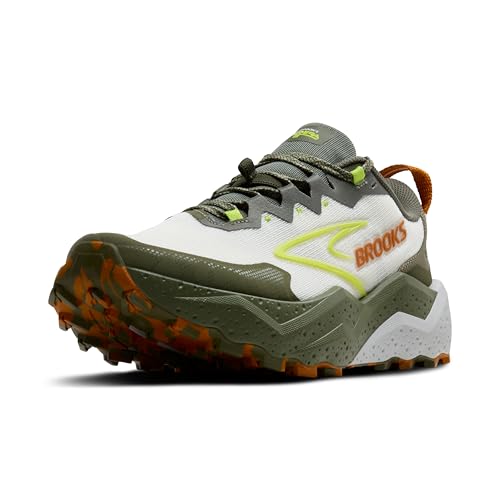
Trail runners who switch to road courses often find this shoe’s grip and cushioning surprisingly adaptable. The aggressive outsole delivers solid traction on loose terrain, while the plush midsole softens impact, making it easier to transition between paths and pavement. Its breathable upper keeps feet dry longer than many road shoes, though it won’t handle extreme heat like a pure road model.
The lightweight frame and responsive ride let you push harder on trails before road fatigue sets in. The durable construction means it holds up better than budget trail shoes, though it won’t match a dedicated road shoe’s durability on endless pavement. If you run both, this bridge shoe balances versatility and comfort well.
9. Waterproof Trail Running Shoe

Trail shoes like these blend rugged durability with road-ready precision. The waterproof construction keeps feet dry on wet trails, while the lightweight alloy frame reduces fatigue on pavement. The GTX material handles moisture without sacrificing breathability, making it ideal for mixed terrain.
For road runners who occasionally venture off-road, this shoe’s grip and stability translate smoothly onto asphalt. The medium fit ensures a snug, supportive feel for all-day comfort. It’s built to handle both trails and roads without needing a separate pair.
10. Trail Running Shoe

Trail runners who also hit pavement will appreciate the DynaSoft TEKTREL’s blend of stability and cushioning. The lightweight yet supportive design adapts to uneven surfaces while maintaining smooth transitions on roads, reducing fatigue over long distances.
Its grippy outsole handles both trails and pavement well, keeping you locked in. The breathable upper keeps feet cool, making it practical for mixed terrain.
