
shoes for scoliosis

As an Amazon associate, Comfy-Kicks.com earns from qualifying purchases at no cost to you.
Many patients find relief by wearing shoes with motion control features, which help prevent excessive side-to-side movement that can worsen discomfort. Don’t forget to break in new shoes gradually to avoid blisters or irritation. If possible, try on shoes with the same type of socks you’ll wear regularly to make sure they fit comfortably. A little extra investment in supportive footwear can make a big difference in managing daily activities.
shoes for scoliosis in 2026
1. Adjustable Heel Lifts

Heel lifts help balance uneven leg lengths caused by scoliosis, easing pressure on the spine. These lifts adjust shoe height incrementally, reducing torque on the torso and improving posture.
For scoliosis, precise adjustments—like 1/8″ increments—can relieve strain on the spine and joints. They’re simple to use, fitting inside most shoes, and help maintain proper alignment over time.
2. Adjustable Orthopedic Heel Lifts

For scoliosis, balanced alignment is key. These insoles adjust heel height evenly, reducing uneven pressure on spinal curves. They provide soft cushioning to absorb shock, easing fatigue in daily wear or physical activity.
The adjustable design helps correct posture over time by promoting neutral foot positioning. This consistency supports spinal alignment better than rigid shoes alone. Even minor adjustments can make a noticeable difference in long-term comfort.
3. Adjustable Orthopedic Heel Lifts
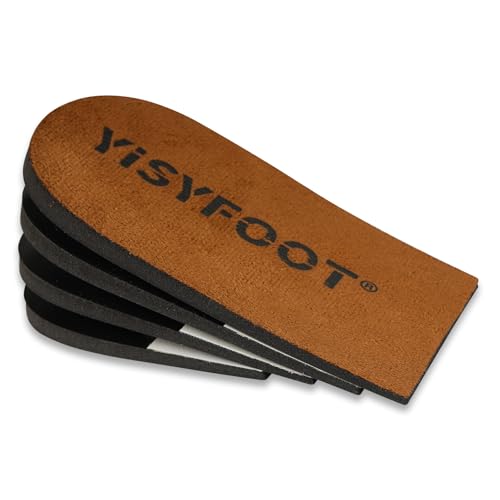
For scoliosis, uneven leg lengths can strain your back and cause discomfort over time. These inserts help balance your gait by adjusting one heel higher than the other, reducing pressure on the misaligned side. The four-layer design provides cushioning and support, easing pain from overuse in the lower back and hips.
Adjustable inserts let you fine-tune the lift to match your specific needs, improving posture and reducing fatigue. They’re simple to slip into most shoes, offering relief without bulky modifications. For consistent support, they’re ideal for daily wear.
4. Orthopedic Work Shoes

For scoliosis, proper footwear can ease spinal alignment stress by distributing weight evenly. Lightweight slip-ons with a rocker bottom encourage natural movement, reducing strain on the spine during daily activities. The easy-on design helps with comfort, especially for those who wear them all day.
The supportive structure helps maintain posture, while the orthopedic features reduce pain. These shoes adapt to foot shape, offering stability without bulk. Ideal for work or casual wear, they’re a practical choice for managing spinal alignment.
5. Arch Support Orthotic Sneakers

For scoliosis, proper arch support and stability are key. These shoes offer wide orthotic inserts to distribute weight evenly, reducing spinal strain. The arch support helps maintain natural foot alignment, easing back discomfort over time.
The cushioned heel and plantar relief address common pain points. The firm yet flexible design supports spinal alignment, making them practical for daily wear. If you need consistent support, these could help manage symptoms better than generic sneakers.
6. Orthopedic Bunions Loafers

For scoliosis, proper footwear can ease spinal alignment stress by distributing weight evenly. These slip-on loafers offer arch support and orthotic design to reduce strain on uneven curves. The cushioned PU sole absorbs impact, protecting joints while maintaining comfort during long wear.
The dress style keeps them practical for daily use without sacrificing support. The slip-on feature prevents blisters, a common issue for those with mobility concerns. Lightweight yet sturdy, they balance function and fashion for consistent spinal relief.
7. Orthopedic Recovery Shoe

For scoliosis, proper footwear can ease spinal alignment stress by reducing uneven weight distribution. These shoes offer lightweight support with adjustable straps, ensuring a snug fit that prevents shifting during movement. The rounded toe box helps distribute pressure evenly, which is key for those with spinal curvature.
The design also accommodates common issues like stress fractures or bunions, which often accompany orthopedic needs. The medical-grade construction supports healing while allowing flexibility for daily activities. For post-surgery recovery, the supportive structure reduces strain on the lower back and legs.
8. Diabetic Orthopedic Walking Shoes

For scoliosis, proper footwear supports spinal alignment by reducing uneven pressure. These shoes offer wide toe boxes to prevent crowding, which can worsen curvature over time. The orthopedic design distributes weight evenly, easing strain on the lower back and pelvis.
The closed-toe construction protects toes while maintaining flexibility, crucial for daily movement. The supportive arch and cushioned sole reduce fatigue during prolonged standing or walking, helping maintain posture. Comfortable fit is key for long-term relief.
9. Non-Slip Orthopedic Work Shoes

Scoliosis requires gentle support to ease spinal misalignment and reduce strain. These shoes offer arch support and a cushioned sole to distribute pressure evenly, which helps with daily movement without aggravating the condition. The slip-on design lets you wear them quickly, important for nurses who stand for long shifts. Breathable material keeps feet dry and comfortable, preventing fatigue from prolonged standing. The non-slip sole adds stability, which is key for balance and reducing falls.
10. Orthotic Walking Shoes

Arch support in walking shoes can ease spinal alignment discomfort for those with scoliosis by reducing uneven pressure on the feet. The orthotic design helps distribute weight more evenly, which may lessen back strain during movement. Look for firm yet flexible soles to support natural foot mechanics without restricting motion. Pink versions offer a stylish option that still prioritize comfort and medical benefits.
