
shoes for sciatic nerve pain

As an Amazon associate, Comfy-Kicks.com earns from qualifying purchases at no cost to you.
Look for shoes with good arch support and cushioning in the heel and midfoot. These help take pressure off your nerves and keep your spine aligned. Avoid flat or thin soles—they don’t absorb shock well, which can make pain worse. If you’ve got a lot of walking or standing, invest in something sturdy but still comfortable. Small changes in your footwear can help keep your body feeling better.
shoes for sciatic nerve pain in 2026
1. Sciatica Pain Relief Brace
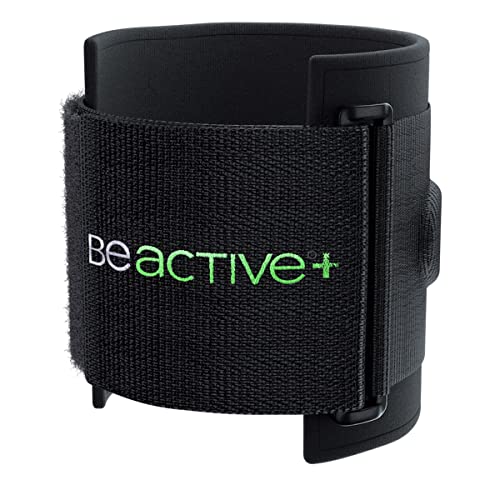
This brace targets sciatic nerve pain by applying gentle pressure to relieve lower back and hip discomfort. Unlike shoes, it directly compresses key areas to ease nerve irritation without straining joints.
For chronic pain, it’s better than shoes alone—it works where pressure matters most. Worn during activity, it reduces flare-ups by stabilizing the spine and easing tension.
2. Sciatica Pain Relief Brace

If you’re dealing with sciatic nerve pain from shoes, this brace offers relief by applying gentle, targeted compression. The dual pressure pads focus on the lower back and hips, easing pressure on the sciatic nerve without restricting movement. Unlike bulky solutions, it fits unisex and adapts to daily wear, so you can stay active without flare-ups.
Worn under supportive shoes, it reduces irritation from poor arch or heel alignment. The design prevents stiffness while walking or standing, making it ideal for those who spend long hours on their feet. Simple to use, it’s a practical way to manage discomfort without relying on medication.
3. Sciatic Nerve Brace

Sciatic pain from tight hips or poor foot alignment can radiate through your legs, making shoes a key factor. A supportive brace like the nerve brace helps maintain proper posture and reduces strain on the lower back and hips. When paired with shoes that offer arch support and cushioning, it can cut down on discomfort by aligning your body’s natural mechanics.
Worn with properly fitted shoes, this brace reduces nerve compression. It’s especially useful if your shoes lack adequate support, as it adds stability without bulk. For consistent relief, combine it with shoes designed for posture correction to ease sciatic flare-ups.
4. Sciatica Pain Relief Brace

If you’re dealing with sciatic nerve pain from poor footwear, supportive braces like these can help. They stabilize your lower back by reducing strain on the sciatic nerve, which often gets aggravated by high heels or unsupportive shoes. Proper arch support and gentle compression can ease pressure, making them useful alongside well-cushioned, orthopedic footwear.
Worn with shoes that match your brace’s design—like those with good shock absorption—you’ll reduce flare-ups. The brace’s design mimics natural movement, preventing excessive twisting that worsens nerve irritation. For consistent relief, pair it with shoes that support your posture and distribute weight evenly.
5. Diabetic Walking Shoes

For sciatic nerve pain, proper footwear prevents irritation that worsens discomfort. These shoes offer deep cushioning and wide toe boxes to relieve pressure on swollen or inflamed feet, which often accompanies nerve-related swelling. The supportive design helps maintain alignment, reducing strain on the lower back and hips where sciatic pain radiates.
The orthopedic construction absorbs shock during walking, minimizing repetitive stress that can flare up nerve sensitivity. The breathable material keeps feet cool, reducing swelling and irritation, which is key for managing chronic sciatic discomfort. Extra-wide fit ensures no rubbing, keeping circulation steady and pain at bay.
6. Orthopedic Diabetic Arch Support Sneakers

These stylish sneakers offer relief for sciatic nerve discomfort by prioritizing cushioning and support. The arch support helps distribute pressure, reducing irritation along the nerve path, while deep heel cups stabilize the foot to ease tension. Breathable fabric and wide toe boxes prevent swelling, keeping circulation smooth. The flat design avoids strain on the lower back, making them ideal for daily wear if sciatic pain flares.
7. Neuropathy Diabetic Walking Shoes

Wide toe boxes relieve pressure on sciatic nerve flare-ups by allowing toes to move freely, reducing strain on lower back and leg tension. Non-slip soles prevent falls, which can worsen nerve irritation during walks. Comfortable, orthopedic designs support arch alignment, easing sciatic discomfort without aggravating inflammation. Diabetic-friendly materials prevent blisters, keeping circulation steady for long-term relief.
8. Wide Width Diabetic Walking Shoes

For sciatic nerve pain, proper footwear can reduce irritation and pressure on the nerve. These shoes offer a zero-drop design, which aligns your foot naturally, easing strain on the lower back and hips. The wide width accommodates swelling from conditions like neuropathy or edema, preventing discomfort during long walks.
Breathable materials keep feet cool and dry, reducing inflammation. Adjustable features ensure a snug fit, which is critical for nerve sensitivity. Walking in these shoes may help maintain balance and reduce flare-ups by supporting proper alignment.
9. Orthopedic Work Shoes

These sneakers offer relief for sciatic discomfort by prioritizing arch support and shock absorption. The thick air cushioning distributes pressure evenly, reducing strain on the lower back and hips. A rocker bottom encourages natural movement, easing tension along the nerve pathway. The ergonomic design helps those with prolonged sitting or standing, minimizing flare-ups. Comfort is key for daily wear without sacrificing support.
10. Sciatica Hip Support Wrap

Wearing supportive shoes can help reduce pressure on the sciatic nerve, but pairing them with a compression wrap like this stabilizes the hip and lower back. It eases pain from sciatica by limiting nerve irritation and redistributing force away from strained areas.
For severe cases, the wrap’s compression also helps shoes perform better by preventing excessive movement that worsens muscle tension. It’s especially useful if you already wear cushioned or orthotic shoes—it adds extra support without extra bulk.
