
shoes for rowing

As an Amazon associate, Comfy-Kicks.com earns from qualifying purchases at no cost to you.
The right shoes also help prevent blisters and keep your feet from swelling too much during long sessions. Some rowers prefer shoes with a full heel cup for extra ankle support, while others go for a snug fit to avoid any rubbing. If you’re just starting out, you might want to try a few pairs to see what feels best. Just make sure they’re not too tight—you don’t want anything cutting off circulation. Comfort is everything, especially when you’re rowing for hours.
shoes for rowing in 2026
1. Water Shoes for Swimming

These shoes offer lightweight grip for rowing when wet conditions demand stability. The quick-dry material keeps feet dry during long sessions, preventing blisters and discomfort. The non-slip sole provides traction on slippery boat decks or wet surfaces. Perfect for rowing with minimal bulk and maximum performance.
2. Minimalist Five-Finger Running Shoes

These minimalist shoes mimic natural movement, letting your feet engage muscles directly. The zero-drop design reduces strain on your calves and hips during rowing’s explosive motions, improving efficiency. The wide toe box prevents blisters from tight grips on the oar, while the lightweight build cuts fatigue over long sessions. For rowers who prioritize form and comfort, these shoes adapt to your stroke without forcing awkward adaptations.
3. Minimalist Barefoot Cross-Trainers

For rowing, proper footwear matters more than most realize. These minimalist shoes mimic natural movement, letting your feet adapt to the repetitive motion without rigid structure. The zero-drop sole reduces strain on your calves and hips, which can build up over long sessions.
The lightweight design keeps energy efficient, while the wide toe box prevents blisters. The non-slip sole ensures grip on the boat’s deck, and the durable build handles wet conditions. Not ideal for rowing, but useful for post-race recovery or casual training.
4. Deadlift Squat Fitness Shoes

Rowing demands precise footing and ankle support, but these shoes offer minimalist grip without sacrificing stability. The thick, grippy sole provides traction for uneven surfaces, while the rigid heel lock keeps your foot secure during intense strokes. The lightweight design lets you focus on form rather than shoe fatigue, though they’re not ideal for wet conditions. If you need versatility, these could work for dry gym sessions or light rowing on flat terrain.
5. Water Shoes for Barefoot Flats

For rowing, lightweight mesh flats keep feet cool and dry while allowing natural movement. The rubber sole grips wet surfaces, reducing slippage on riverbanks or docks. These shoes balance stability and flexibility, crucial for quick strokes and balance adjustments.
The earthing feature may help reduce fatigue by promoting circulation, while the breathable mesh prevents blisters. The aqua design suits rowing near water, offering quick drying and water resistance. They’re ideal for both indoor rowing and outdoor sessions.
6. Minimalist Five-Finger Running Shoe

Rowing demands precise foot placement and natural movement, and these shoes adapt well. The zero drop aligns with barefoot training, reducing strain on feet while maintaining grip on the erg. The wide toe box prevents crowding, letting toes spread naturally for balance. Indoor rowing’s smooth surface suits minimalist design, offering flexibility without sacrificing stability.
7. Barefoot Running Shoes

For rowing, lightweight footwear keeps you agile and reduces fatigue. MCRONJI Barefoot Water Shoes offer breathable, flexible soles that mimic natural movement, ideal for quick adjustments on the water. Their minimalist design cuts down on bulk, letting your feet respond freely to the ergonomic demands of rowing.
The same principles apply to lightweight beach shoes—durable yet flexible, they prevent blisters while allowing full toe movement. White versions stand out against water and sand, ensuring visibility and comfort during long sessions. Minimalist running sneakers with similar traits also help maintain rhythm without unnecessary bulk.
8. Quick-Dry Water Shoes
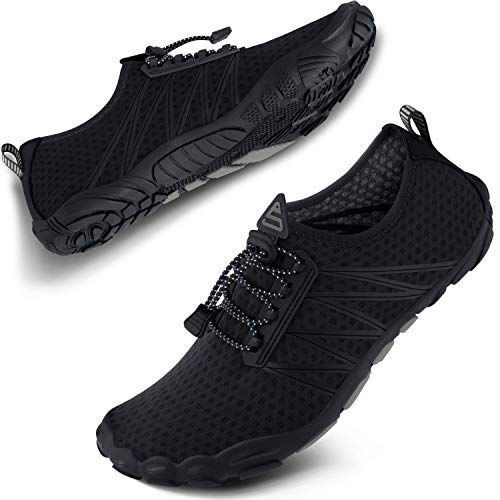
For rowing, quick-dry materials are key, and these shoes meet that need. Lightweight and breathable, they prevent waterlogging, keeping feet dry during long sessions. The slip-resistant sole grips wet surfaces, reducing strain on ankles and knees.
The open-toe design allows airflow, which is crucial for rowing’s physical demands. They’re also lightweight enough not to slow your stroke while still offering protection from debris. If you row near water, these shoes balance comfort and functionality.
9. Water Shoes for Swimming Yoga
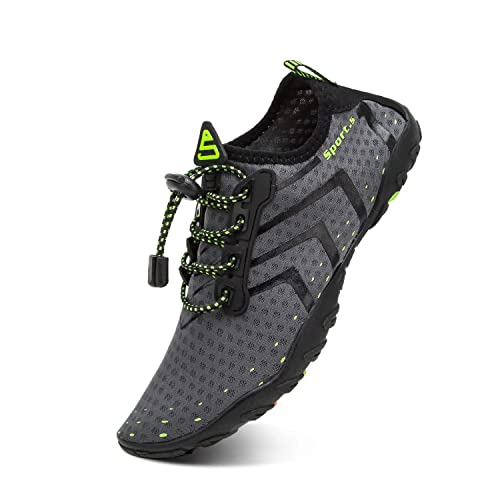
Rowing demands precision and grip, but these shoes offer lightweight flexibility. Their quick-dry material prevents blisters and keeps feet dry during long sessions. The thin, breathable design mimics barefoot feel, reducing strain on joints while maintaining traction on wet decks. Not ideal for hard landings, but great for steady, controlled strokes.
10. Waterproof Aqua Socks

For rowing, these water socks provide grip and stability without bulk. The rubber soles prevent slipping on wet decks, crucial for maintaining balance during long strokes. They absorb shock, reducing fatigue in the legs and back over extended sessions. Lightweight yet durable, they stay secure even when wet, letting you focus on technique rather than footing.
