
shoes for rigidus hallux

As an Amazon associate, Comfy-Kicks.com earns from qualifying purchases at no cost to you.
For rigidus hallux, you need shoes with a wide toe box and plenty of arch support. Rigid soles that don’t flex too much can help too, so you’re not fighting the stiffness every step. Brands that specialize in orthopedic footwear often have what you’re looking for, but even regular shoes with good cushioning can make a difference. Just avoid anything too tight or with a narrow toe area—those will only make things worse. If you’re serious about this, a podiatrist can help you find the best fit.
shoes for rigidus hallux in 2026
1. Carbon Fiber Foot Support Inserts

Carbon fiber insoles and rigid foot plates offer unmatched support for severe joint issues like hallux rigidus and limitus. They distribute weight evenly, reducing pain from stiff big toe joints without relying on surgery. These inserts stabilize the foot arch and toe box, preventing further wear while allowing natural movement.
For post-op recovery or chronic conditions like Morton extension or turf toe fractures, they act as a lightweight, durable alternative to bulky post-op shoes. The material absorbs shock and locks the foot in place, letting you walk comfortably while protecting vulnerable joints. No more sacrificing mobility for pain relief.
2. Rigid Foot Support Insert

This insole offers rigid support for the big toe joint, easing pain from hallux rigidus and limitus. Made from carbon fiber, it stabilizes movement while allowing natural foot function, critical for athletes and hikers who need durability without sacrificing mobility.
For post-op recovery or chronic issues, it mimics the stiffness of post-op shoes but fits standard footwear. Reduces stress on the joint, making it ideal for sports, running, or trekking where toe protection is key.
3. Carbon Fiber Orthotic Insoles

For rigidus hallux, these insoles provide stiff support to limit joint movement, easing pain from arthritis or stiff big toe conditions. The carbon fiber material offers durable reinforcement, keeping the foot stable without excessive flexibility.
Designed to correct alignment issues like Morton’s toe or turf toe, they distribute pressure evenly, reducing strain on arthritic joints. Worn in shoes, they help maintain proper foot mechanics, slowing progression of degenerative changes.
4. Rigid Foot Support Insole

For those dealing with hallux rigidus, this insole provides stiff support to limit joint movement, easing pain and reducing wear over time. The carbon fiber material distributes pressure evenly, cutting down on stress on the big toe’s top joint, which often stiffens with arthritis.
Worn in shoes, it keeps the foot stable while allowing natural motion, preventing further degeneration. The rigid design helps maintain proper alignment, making it a practical solution for daily wear.
5. Carbon Fiber Shoe Inserts

For those dealing with hallux rigidus, stiff big toes can make walking painful and difficult. A carbon fiber insole offers rigid support directly under the forefoot, reducing joint stress and easing stiffness. The material distributes pressure evenly, cutting down on flare-ups and helping maintain proper alignment.
This insert is designed for athletes and active individuals who need durable, lightweight relief. It fits standard shoes and adapts to Morton’s toe or turf toe conditions by stabilizing the arch and toe box. Consistent use can slow progression and improve mobility over time.
6. Carbon Fiber Orthotic Insoles

For those dealing with hallux rigidus, this insole provides critical support to ease joint stiffness and reduce pain. The carbon fiber extension helps maintain proper toe alignment, limiting abnormal movement that worsens the condition over time.
The arch support is clinically tested to distribute weight evenly, reducing stress on the big toe joint. It’s designed to fit most shoes, offering consistent relief without needing custom modifications.
7. Rigid Foot Plate Insole
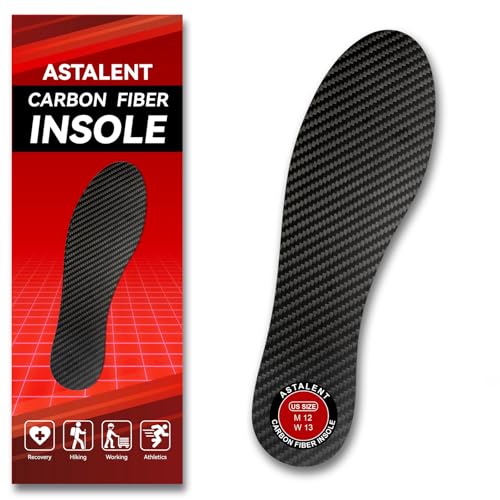
For those dealing with hallux rigidus or hallux limitus, rigid thin foot plates offer a stiff yet lightweight solution. They prevent excessive toe movement, reducing joint stress and pain during daily wear. Unlike bulky post-op shoes, these insoles fit standard footwear, maintaining mobility without sacrificing comfort.
Designed to support turf toe, fractures, and Morton’s toe issues, they distribute weight evenly. The carbon fiber material provides durable reinforcement, making them ideal for active recovery. No surgery needed—just a simple insert to ease stiffness and improve foot function.
8. Orthotic Foot Inserts

For those dealing with hallux rigidus, stiff foot plates offer critical support. Carbon fiber insoles provide rigid arch reinforcement, reducing joint stress and easing pain from stiff big toe movement. The material’s durability prevents wear, ensuring long-term relief without frequent replacements.
The insole’s structured design corrects abnormal toe alignment, reducing friction and inflammation. This helps maintain natural foot mechanics, slowing joint deterioration. Ideal for athletes or anyone with persistent stiffness, it integrates seamlessly into most shoes for consistent comfort.
9. Rigid Foot Support Insole

For those with hallux rigidus, stiff big toes can make walking painful and awkward. This insole offers rigid support, reducing joint stress while maintaining natural toe alignment. The carbon fiber material provides durable reinforcement, helping to ease arthritis-related stiffness without altering shoe fit drastically.
Designed for post-op recovery or chronic conditions, it mimics surgical adjustments. Ideal for sizes 10-11.5, it’s a practical alternative to bulky post-op shoes. Lightweight yet strong, it keeps feet stable and comfortable for daily wear.
10. Carbon Fiber Foot Support Inserts

For rigidus hallux, these insoles provide rigid support to stabilize the big toe joint. They reduce pain and prevent further degeneration by maintaining proper alignment, easing stiffness and limiting movement that worsens arthritis.
The carbon fiber construction offers durable reinforcement, while the orthotic design distributes weight evenly. This helps maintain joint spacing, reducing friction and inflammation common in hallux rigidus.
