
shoes for autistic kids

As an Amazon associate, Comfy-Kicks.com earns from qualifying purchases at no cost to you.
For kids who are really sensitive, simple, breathable shoes might be best at first. Look for materials that aren’t too stiff or scratchy, and make sure they have enough room for toes to wiggle. Some autistic kids also prefer shoes that don’t have laces or Velcro, so slip-ons or Velcro-free designs can make getting dressed easier. If they’re willing to try, a little patience and gradual exposure can help them feel more comfortable in different footwear over time.
shoes for autistic kids in 2026
1. Minimalist Barefoot Sneakers
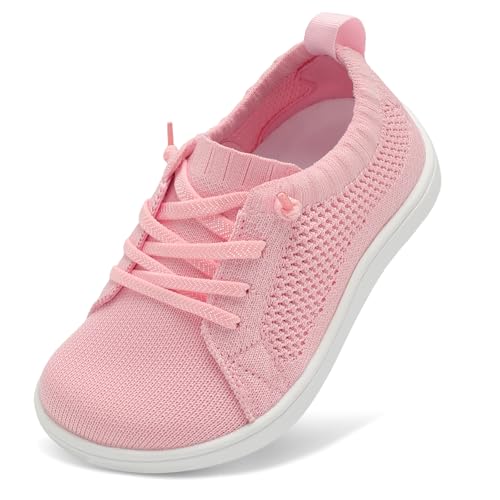
Many autistic children often struggle with traditional shoes due to discomfort from stiff soles or restrictive fits, which can heighten sensory sensitivities. LeIsfIt’s minimalist design offers a gentle alternative with a zero-drop construction, allowing natural foot movement while reducing pressure on sensitive areas. The wide toe box accommodates varying foot shapes, making them less likely to cause discomfort or irritation during wear.
For kids with sensory processing challenges, slip-on convenience is a practical advantage, avoiding the frustration of laces or tight closures. The lightweight, breathable materials help regulate temperature and reduce overheating, which can be especially beneficial for kids who dislike crowded or warm environments. These features combine to create a supportive, low-stress option for daily use.
2. Kids Classic Lace Shoes

This shoe offers a simple, secure fit that can help reduce discomfort for kids who may struggle with tight or overly flexible footwear. The classic design keeps things straightforward, which might minimize sensory overload from complex patterns or unusual shapes. The lace-up closure allows for easy adjustments, letting parents fine-tune the fit without bulk or fuss.
For kids who need stability, the sturdy construction provides reliable support while still allowing natural foot movement. The solid black color is neutral, which can reduce visual distractions that might cause discomfort. This practical choice could make daily wear more manageable for those who prefer minimalistic, functional footwear.
3. Barefoot Hiking Sneakers

These shoes offer a practical solution for kids with sensory sensitivities by blending lightweight design with secure grip. The anti-slip sole reduces pressure on feet while preventing slips, which can be calming for kids who avoid tight or rigid footwear.
The wide toe box accommodates varied foot shapes, helping with comfort and reducing discomfort from overly confined spaces. The breathable material also minimizes overheating, which can be a concern for kids who are easily distracted by temperature changes.
4. Minimalist Barefoot Sneakers
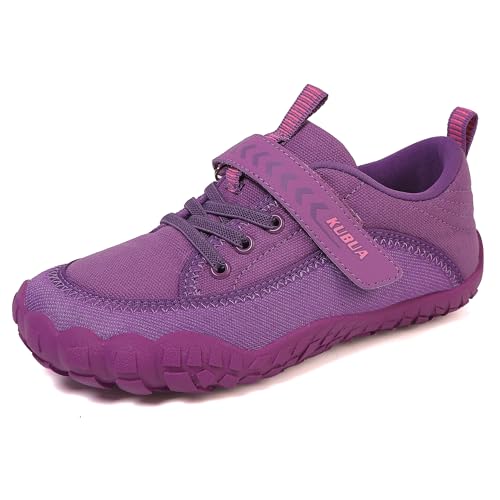
Slip-on shoes like these offer a simple way to keep feet protected while allowing natural movement. The minimalist design reduces sensory overload, which can be helpful for kids who avoid tight or bulky footwear. Lightweight materials and breathable construction keep feet cool, which may reduce discomfort during activities.
The stretchable fabric and flexible sole promote foot strength and balance, which can aid in motor skills development. The soft, non-slip surface provides stability without restricting movement, making them practical for walking, tennis, or hiking. Parents often appreciate how these shoes balance comfort and functionality for kids with varying sensory needs.
5. Barefoot Running Shoes

Barefoot-style shoes like these can be a game-changer for kids with sensory sensitivities. The zero-drop design encourages natural foot movement, reducing strain on joints and muscles, which many autistic children experience discomfort with. Slip-on styles offer easy access, minimizing frustration from tight laces or complicated fastenings.
The wide toe box provides extra room for toes to spread naturally, which can help with proprioceptive input—a key need for some autistic kids. The flexible, lightweight material also absorbs impact, making them ideal for active play or walking without overstimulation.
6. Minimalist High-Top Sneakers

For kids with sensory sensitivities, the right footwear can make a big difference in comfort and confidence. These shoes offer a minimalist design with a zero-drop construction, meaning the heel and toe are at the same level, which helps reduce discomfort from uneven surfaces and encourages natural foot movement. The high-top style provides extra ankle support, which can be calming for kids who experience instability or balance challenges.
The splay-friendly design also supports proper foot alignment, which might help with overpronation or other gait issues common in neurodivergent children. The breathable fabric and lightweight material keep feet cool during active play, while the durable construction ensures they last through outdoor adventures without irritation.
7. Wide Toe Box Barefoot Shoes

These shoes offer a natural fit by allowing toes to move freely, which can reduce discomfort and pressure often linked to rigid footwear. The zero-drop sole mimics barefoot movement, promoting better proprioception—critical for kids with sensory sensitivities who may struggle with deep pressure or uneven surfaces.
The wide toe box prevents crowding, easing sensory overload that can come from tight shoes. The pull-on design simplifies dressing routines, which can be less stressful for both child and caregiver. Grey gum material is durable and easy to clean, making them practical for active kids who need reliable footwear.
8. Soft Baby Walking Shoes

These shoes offer gentle traction and secure fit, which can help toddlers with sensory sensitivities stay balanced during walks. The soft rubber sole reduces pressure on delicate feet, making movement more comfortable for kids who dislike tight or rigid footwear.
The non-slip design also minimizes slipping, a common concern for children who struggle with stability or balance issues. The simple, breathable style may ease any discomfort from overly complex designs, letting little ones focus on exploration without footwear distractions.
9. Lightweight Breathable Kids Tennis Shoes

These shoes offer a lightweight design that reduces fatigue for kids who may move quickly or experience sensory sensitivities to heavier footwear. The breathable material helps keep feet cool, which can ease discomfort for those who feel overheated or find tight spaces irritating.
The snug yet flexible fit provides stability without restriction, which is important for kids who may struggle with balance or need consistent support. The simple, secure closure system ensures no loose laces or awkward adjustments disrupt focus or mobility.
10. Minimalist Barefoot Sneakers

These minimalist zero-drop sneakers offer a natural foot alignment that many autistic children find easier to tolerate. The wide fit reduces pressure points while still providing support, which can help with comfort during movement. The flexible design encourages natural foot mechanics, which some kids with sensory sensitivities struggle with in rigid shoes.
For active kids who need freedom of motion, these shoes allow for unrestricted walking and running without restricting ankle or toe movement. The breathable material helps regulate temperature, reducing discomfort from overheating, which can be a common issue for children with sensory processing challenges.
