
sensory shoes for autism

As an Amazon associate, Comfy-Kicks.com earns from qualifying purchases at no cost to you.
Some parents swear by these shoes because they let kids wear them all day without the constant need to adjust or remove them. Others find they help with balance and coordination too. The key is finding options that fit comfortably and let the child’s feet stay active and happy. It’s not about making them “normal,” but about giving them tools to feel more at ease in their own skin.
sensory shoes for autism in 2026
1. Minimalist Barefoot Sneakers

These minimalist shoes offer gentle pressure and natural movement, helping regulate sensory input for kids with autism. The zero-drop design reduces joint strain, letting feet adapt to terrain naturally. Wide toe boxes prevent discomfort, while slip-on ease avoids frustration. Lightweight fabric and breathable materials keep feet cool and comfortable. Parents report fewer sensory overload issues and improved mobility.
2. Wide Toe Barefoot Shoes

These shoes offer a natural fit with a wide toe box, reducing pressure on sensitive feet. The zero-drop sole encourages barefoot-like movement, helping with proprioception and balance. The grippy gum material provides gentle traction without discomfort. Ideal for kids needing sensory input, they support comfort and mobility.
3. AirTag Shoe Insole

For individuals with autism, sensory sensitivities can make footwear a challenge. This insole provides gentle cushioning to reduce discomfort from tight or uneven surfaces, helping users stay calm and focused. The secure fit prevents slippage, which can be distracting or unsafe, especially during transitions.
The hidden AirTag integration offers peace of mind by tracking location without altering movement. This dual benefit—comfort and safety—makes it practical for daily routines, ensuring stability for both physical and emotional needs.
4. Minimalist Barefoot Sneakers

These minimalist shoes offer gentle foot support without restrictive materials, which can help reduce overstimulation for kids with autism. The zero-drop design encourages natural movement, easing joint pressure that might cause discomfort. Lightweight mesh fabric allows airflow, keeping feet cool and reducing sensory overload from tight or heavy footwear. Simple, flexible construction helps maintain proprioceptive input in a balanced way.
5. Minimalist Barefoot Sneakers for Kids

Minimalist shoes like these can help regulate sensory input for kids with autism by reducing pressure on feet and encouraging natural movement. The zero-drop design lets toes grip ground, improving proprioception and balance without overstimulation.
Lightweight and flexible, they allow feet to move freely, which can reduce discomfort from tight shoes. Great for active kids who need sensory feedback through barefoot-like motion.
6. Minimalist Barefoot Walking Shoes
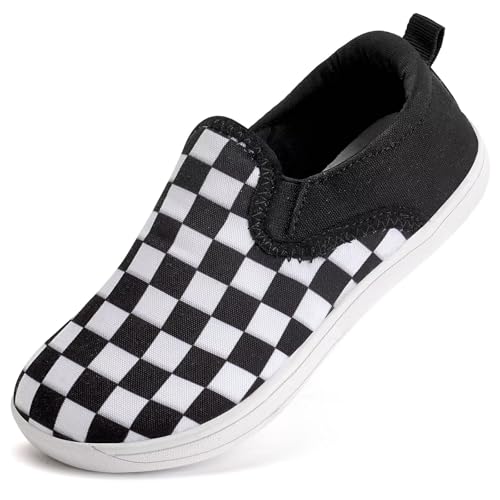
These shoes offer gentle, natural support for kids with sensory sensitivities by mimicking barefoot movement. The soft canvas and zero-drop sole reduce pressure on feet, helping with proprioceptive input without overwhelming stimulation.
Lightweight and breathable, they let toes move freely, easing overstimulation from rigid footwear. Parents often find them calming for kids who dislike tight or stiff shoes.
7. Comfortable Toddler Slippers

These slippers offer gentle, textured support that can help regulate sensory input for kids with autism. The soft velvet lining reduces pressure on feet, easing discomfort from overstimulation. Lightweight and flexible, they allow natural movement while providing warmth, which can calm sensory-seeking behaviors. Indoor use keeps them safe yet functional for daily activities.
8. Toddler Girls Running Shoes
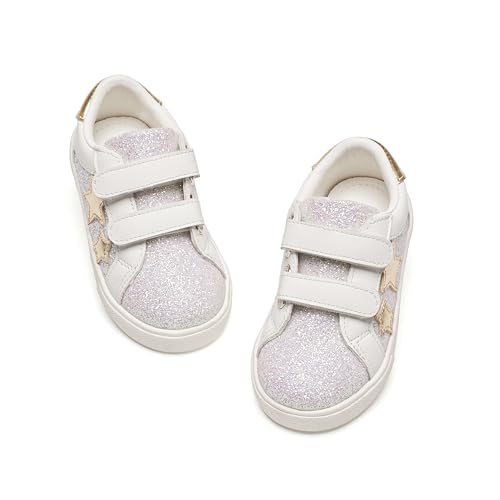
These lightweight sneakers offer gentle cushioning and flexible soles to help little ones regulate sensory input. The soft, breathable material reduces pressure on feet, easing discomfort from overstimulation. Lightweight design prevents fatigue during play, making them ideal for active kids who need stability without restriction.
9. Minimalist Barefoot Sneakers

These shoes offer gentle support while allowing natural foot movement, which can reduce overstimulation for kids with sensory sensitivities. The lightweight, breathable design helps regulate temperature and pressure, easing discomfort from tight or rigid footwear. The wide fit promotes proper alignment, while the flexible material mimics barefoot comfort, potentially reducing joint stress during movement. Parents often find them ideal for calming transitions or daily activities where sensory overload might be an issue.
10. Kids Slip-On Running Athletic Sneakers

These shoes offer gentle, zero-drop support that mimics barefoot movement, helping kids regulate their proprioceptive input. The slip-on design and lightweight build reduce pressure points, while the flexible material adapts to foot movement, easing overstimulation. Many parents find them useful for children who seek sensory feedback to manage sensory-seeking behaviors.
