
minimalist shoes for overpronation

As an Amazon associate, Comfy-Kicks.com earns from qualifying purchases at no cost to you.
If you’ve been wearing stiff, supportive shoes for years, switching to minimalist options might feel strange at first. But many people find that their feet feel freer and stronger after giving them a chance. Just make sure to start slow and choose shoes with good arch support if needed. Your body will thank you for the gentler, more balanced movement.
minimalist shoes for overpronation in 2026
1. Minimalist Zero-Drop Footwear

Minimalist shoes with a zero drop help correct overpronation by encouraging natural foot alignment. Their wide toe box prevents crowding, reducing strain on arches and improving stability during movement.
The flat sole and lightweight design mimic barefoot motion, easing joint stress for those who overstep. Ideal for walking, lifting, and hiking, they offer support without restricting foot mechanics.
2. Extra Wide Barefoot Minimalist Sneakers

Minimalist shoes like these help correct overpronation by encouraging natural foot movement. The zero-drop design reduces strain on arches and heels, letting your feet adapt over time. Extra-wide fit prevents discomfort from tightness, while the flexible sole supports proper alignment.
For runners or hikers with overpronation, these shoes offer stability without forcing rigid structure. The lightweight build reduces fatigue, letting your feet stay aligned naturally. If you’ve struggled with old shoes causing pain, these could be a simple fix.
3. Minimalist Barefoot Trail Running Shoes
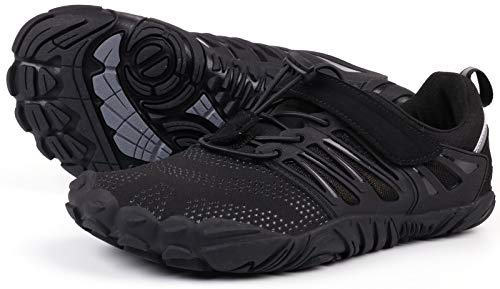
Minimalist shoes like these help reduce overpronation by encouraging natural foot movement. The lightweight design and thin sole support alignment better than stiff running shoes. For those with wide feet, the wide toe box prevents discomfort while running.
These all-black trail runners also offer stability for treadmill or cross-training. The flexible material adapts to foot shape, easing strain on overpronated arches. Ideal for active women seeking comfort and efficiency.
4. Minimalist Barefoot Trail Running Shoes

Minimalist shoes like these help reduce excessive inward rolling by encouraging natural foot alignment. The lightweight design and flexible sole mimic barefoot movement, easing strain on overpronated feet. Trail-specific treads provide grip without sacrificing responsiveness, which is key for long runs.
For those with overpronation, these shoes offer cushioning where needed while promoting a more neutral stride. The firm yet adaptable midsole absorbs impact differently than stiff shoes, helping to stabilize the foot’s arch. This balance can cut down on joint stress over time.
5. Minimalist Walking Sneakers

Minimalist shoes like these offer a natural foot alignment by reducing artificial support, which can help correct overpronation. The zero-drop sole encourages a more neutral stride, letting your foot roll naturally without forcing it into an unnatural position. The wide toe box prevents crowding, improving balance and reducing strain on arches.
For overpronators, these shoes provide flexibility and cushioning where needed. The TPU upper resists wear while allowing movement, keeping your feet stable without excessive support. Walking in them helps retrain proper foot mechanics over time.
6. Minimalist Five-Finger Running Shoes

Minimalist shoes like these help correct overpronation by encouraging natural foot movement. The wide toe box and zero-drop design reduce excessive inward rolling, letting your foot stay aligned properly. Lightweight materials and flexible soles mimic barefoot running, strengthening foot muscles over time.
For overpronators, these shoes offer stability without forcing rigid support. The five-finger design improves balance, while the trail-focused build handles uneven terrain. If you’re used to stiff shoes, transitioning gradually lets your feet adapt safely.
7. Wide Toe Box Minimalist Running Shoes

Minimalist shoes with a wide toe box and zero drop help correct overpronation by encouraging natural foot alignment. The flexible design reduces excessive inward roll, easing stress on arches and knees. A transitional model like this balances stability and freedom, letting your feet adapt gradually while maintaining support.
The thick rubber outsole provides grip without sacrificing motion, which is key for runners who overpronate. A wide fit prevents crowding, keeping toes spread for better balance. These shoes let your foot move freely, reducing strain and improving efficiency over time.
8. Barefoot Trail Running Shoes

Minimalist shoes like these help reduce overpronation by encouraging natural foot movement. The wide toe box keeps toes spread, improving balance and reducing strain on arches. Lightweight design cuts down on shock absorption, letting feet adapt to uneven terrain better.
For overpronators, these shoes offer support without rigid structure. The flexible sole mimics barefoot motion, easing joint stress over time. Size 6.5 fits many foot shapes comfortably, making them practical for daily wear or trail runs.
9. Wide Barefoot Minimalist Trail Running Sneakers

Minimalist shoes like these offer a natural alignment for overpronators by reducing artificial support. The zero-drop design encourages foot muscles to engage properly, easing strain on arches and knees. Lightweight yet sturdy, they adapt to natural movement without forcing rigid structures.
For those with mild overpronation, these shoes balance stability with freedom. The wide fit prevents discomfort from tight toe boxes, while flexible gum soles absorb impact gently. Ideal for walking, lifting, and light trails, they help retrain foot mechanics over time.
10. Minimalist Barefoot Sneakers

Minimalist shoes with a wide toe box and zero drop help realign the foot’s natural alignment, reducing overpronation by encouraging a more neutral stride. The extra room in the toe area lets toes spread naturally, counteracting the inward roll many feet develop over time. Zero-drop designs keep the heel and forefoot at the same height, improving balance and reducing strain on the arches and knees. These shoes are ideal for those who need support without restrictive structure.
