
good shoes for weightlifting and running

As an Amazon associate, Comfy-Kicks.com earns from qualifying purchases at no cost to you.
For running, you want shoes that absorb shock and keep your stride smooth. Flat or neutral shoes work well if you have average arches, while stability or motion-control models suit overpronators. Brands like Brooks or Asics offer reliable cushioning and support. Don’t skimp on quality—cheap shoes wear out fast and can lead to knee or joint pain.
good shoes for weightlifting and running in 2026
1. Barefoot Workout Shoes

Good shoes for weightlifting and running need to support movement while keeping joints stable. These minimalist designs mimic natural foot function, reducing strain on ankles and knees during heavy lifts or long runs. Zero drop alignment helps maintain proper posture, while wide toe boxes prevent cramping and improve grip on the ground. The waterproof material keeps feet dry in gyms or trails, ensuring comfort and durability.
2. Wide-Toe Minimalist Running Sneakers

These shoes blend minimalist design with practicality for weightlifting and running. The zero-drop construction keeps your feet aligned naturally, reducing strain during lifts and long runs. The wide toe box prevents crowding, letting toes move freely for better grip and balance in gyms or on uneven trails. Lightweight material cuts fatigue, while reinforced soles handle rough gym floors or rocky terrain. Ideal for those who prioritize form and durability without sacrificing comfort.
3. Weightlifting Belt
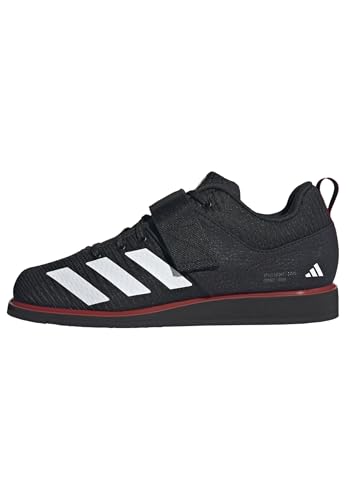
This shoe blends durability with grip for weightlifting, offering thick rubber soles that stick to bars and platforms. The reinforced toe box prevents chafing during heavy lifts, while the midfoot support keeps your feet stable under strain.
For runners, its cushioning absorbs impact, and the breathable upper keeps feet dry. The versatile design works for both lifting and light jogging, though it’s not ideal for long-distance running.
4. Minimalist Zero Drop Water Shoes

Good shoes for weightlifting and running should prioritize natural foot movement while protecting joints. Minimalist designs with zero drop reduce strain on ankles and hips, letting your feet adapt to movement like they’re meant to. A wide toe box prevents cramping and improves grip during lifts, while durable, water-resistant materials handle sweat and outdoor use.
For runners, these shoes offer lightweight support that mimics barefoot efficiency, reducing impact on knees and feet. The flexible sole encourages proper foot strike, cutting down on overpronation risks. Their versatility makes them useful for both gym sessions and trail runs, balancing performance and comfort.
5. Wide Barefoot Minimalist Trail Running Sneakers

Good shoes for weightlifting and running should prioritize support without sacrificing natural movement. These minimalist sneakers offer a zero-drop design, keeping your feet aligned with your body’s natural stride. The wide fit ensures comfort for heavy lifting and long sessions, while lightweight construction reduces fatigue.
For trail running or cross-training, the grippy sole adapts to uneven terrain, making them versatile. The reinforced gum sole adds durability, and the minimalist build helps maintain foot strength. They’re ideal for gym workouts and outdoor activities where stability and flexibility matter most.
6. Barefoot Training Shoes

These shoes offer a natural fit for weightlifting by mimicking barefoot movement, reducing strain on feet and ankles. The zero-drop sole lets you lift with true foot alignment, improving form and power output without awkward heel-to-toe shifts.
For runners and hikers, the wide toe box prevents blisters and lets toes spread naturally, while the slip-on design speeds up transitions. The durable construction handles rugged trails and gym floors alike, making them versatile for any workout.
7. Minimalist Wide-Toe Shoes

For weightlifting, proper footwear keeps your grip secure while allowing natural foot movement. Minimalist designs like these reduce strain on joints and improve balance during heavy lifts. Zero drop alignment helps maintain proper posture, cutting injury risk.
When running or hiking, these shoes offer lightweight support without bulk. The wide toe box prevents blisters and lets toes spread naturally. Zero drop keeps your foot flat, reducing knee stress over long distances.
8. Minimalist Barefoot Five-Finger Running Shoes

For weightlifting, proper footwear prevents joint strain and improves grip. Minimalist designs with zero drop let your feet adapt naturally to movement, reducing injury risk. A wide toe box keeps toes spread, enhancing stability during lifts.
Trail running shoes like these offer durability and flexibility for outdoor workouts. Zero drop alignment mimics barefoot feel, boosting efficiency. The lightweight construction cuts fatigue, making them ideal for both gym and trail sessions.
9. Minimalist Cross-Trainer Shoes
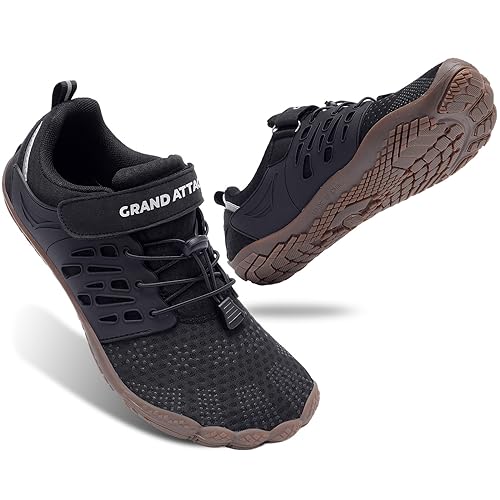
Good shoes for weightlifting and running need to balance support with movement efficiency. These minimalist sneakers offer lightweight construction for natural foot motion during lifts and runs. Zero drop aligns with barefoot principles, reducing strain on joints while maintaining grip for explosive movements. The wide toe box prevents cramping and improves stability in heavy lifts. For trail running, the lightweight design cuts down on fatigue, while the durable build handles uneven terrain.
10. Running Shoe

This shoe blends durability with support for both lifting and running. The reinforced outsole grips surfaces well during heavy lifts, while the lightweight design helps with quick movements on the track. The padded collar keeps feet secure during intense sessions.
The breathable upper keeps legs cool, and the wide fit accommodates bulkier socks. It’s built for versatility—whether you’re pressing weights or sprinting. The black/white color makes it easy to spot on the gym floor or trail.
