
good shoes for drop foot

As an Amazon associate, Comfy-Kicks.com earns from qualifying purchases at no cost to you.
I’ve found that shoes with a firm sole and adjustable straps work best for drop foot. Brands like Hoka or Asics often have models designed with extra cushioning and support. Don’t forget to try them on to make sure they fit well and don’t cause any extra strain. A little extra effort now can prevent pain later.
good shoes for drop foot in 2026
1. Foot Drop Brace Support

A good brace like this helps restore proper foot movement when walking, letting you lift your toes naturally. The adjustable support keeps pressure off the ankle while improving balance, which is key when wearing shoes that fit well and allow dorsiflexion.
The reinforced straps and steel wire ensure a snug fit, reducing strain on weak foot muscles. This brace works best with shoes designed for drop foot, offering comfort and stability for longer walks.
2. Minimalist Barefoot Walking Shoes
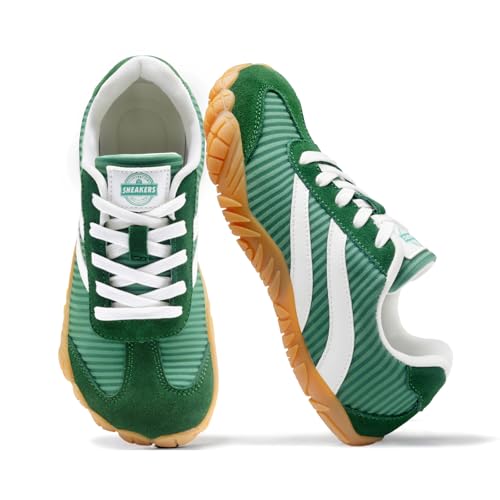
These shoes offer a natural fit with a wide toe box, which helps prevent overcrowding of toes—critical for those with drop foot to avoid pressure points. The zero-drop design encourages proper foot alignment, reducing strain on weakened muscles by mimicking barefoot movement.
Lightweight and breathable materials keep feet dry and comfortable during long wear, while the non-slip sole prevents falls. Minimalist construction supports natural gait without added bulk, easing reliance on assistive devices.
3. Adjustable Foot Drop Brace

Good shoes matter when managing drop foot. Look for sturdy, supportive footwear with thick soles and good arch support to prevent tripping. Avoid flimsy designs that let your foot slide forward. A well-fitted brace helps, but shoes must match its stability needs—choose ones with reinforced toes and deep heel cups for better control.
4. Wide Diabetic Walking Shoes

For drop foot, proper support is key to preventing falls and improving mobility. These shoes offer a zero-drop design, keeping the heel and toe at the same level, which helps restore natural gait. The adjustable fit accommodates swelling or varying foot shapes, ensuring comfort over long periods.
Breathable materials reduce moisture buildup, lowering the risk of blisters or infections. The wide width option prevents discomfort from ill-fitting shoes, while the barefoot-like feel encourages proper foot positioning. These features combine to make them practical for daily use.
5. Wide Toe Box Walking Running Shoes
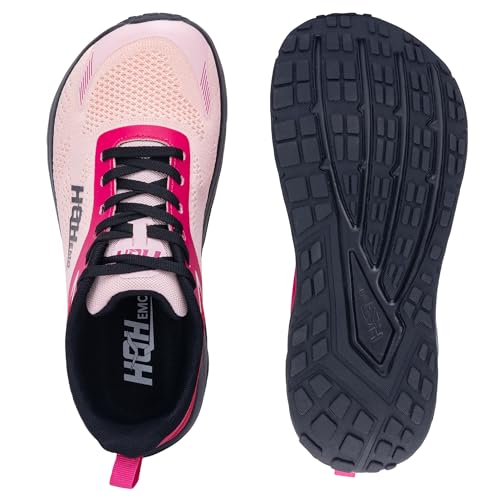
For drop foot, proper footwear must allow natural movement without forcing the ankle. These shoes offer a zero-drop design, keeping the heel and forefoot at the same height, which helps restore balance and reduces strain on weakened foot muscles. The wide toe box prevents crowding, easing pressure on toes that may drag or slip, improving stability during walking or light activity.
Arch support is critical for drop foot, as it maintains proper foot alignment and distributes weight evenly. These shoes include built-in arch support to reduce fatigue and discomfort. The athletic construction also provides cushioning for shock absorption, making them practical for outdoor use where stability is key.
6. Wide Slip-On Orthopedic Recovery Shoes

For drop foot, these shoes prioritize stability and ease of movement. The zero-drop design helps maintain natural foot alignment, reducing strain on weakened muscles. Wide toe boxes accommodate swelling or extra width, while slip-on convenience lets you move quickly without tripping.
The orthopedic support and arch design ease plantar fasciitis pain, letting you walk longer without discomfort. The barefoot-inspired fit keeps feet supported without rigid structure, ideal for daily wear.
7. Foot Drop Brace

A good foot drop brace like the one designed for walking helps restore balance by supporting the ankle and foot when walking in shoes, socks, or barefoot. It prevents the foot from dragging, reducing strain on the calf muscles and improving gait efficiency.
For those with plantar fasciitis, the brace also offers relief by reducing tension on the foot’s arch. Proper footwear combined with this support can ease discomfort and protect the heel and sole during movement.
8. Foot Drop Brace Support

A good brace like this helps lift the foot naturally when walking, reducing strain on weak muscles. Proper dorsiflexion support lets you walk smoothly without tripping, which is key when shoes can’t compensate alone.
The extended straps and adjustable soft padding keep pressure off while letting you fit it snugly in most shoes. For drop foot, this brace works best with supportive footwear to maintain balance and ease movement.
9. Ankle Foot Orthosis Support Brace

For drop foot, proper footwear and braces work together to restore balance and ease walking. A good ankle brace with an inflatable airbag helps lift the foot naturally, preventing drag and fatigue. Comfortable, supportive shoes with a firm heel and arch support reduce strain while keeping the brace in place.
The right combination keeps joints stable and protects heels from uneven pressure. Look for breathable materials to avoid blisters, and ensure the brace fits snugly to maintain alignment. This setup helps stroke survivors or those with hemiplegia walk more confidently.
10. Lightweight Slip-On Shoes

For drop foot, stability and ease of movement are key. These shoes offer a zero-drop design, keeping your foot flat on the ground naturally. The wide toe box prevents discomfort while allowing full toe splay, which helps with balance and reduces strain.
Lightweight construction means less fatigue during wear, and the slip-on design makes them practical for daily use. The smooth leather surface also reduces friction, helping those with limited foot control.
