
doctor recommended shoes for shin splints

As an Amazon associate, Comfy-Kicks.com earns from qualifying purchases at no cost to you.
If you’re still experiencing discomfort, consider shoes with a stiffer sole to help distribute pressure evenly. Avoid flat-soled shoes or those with minimal cushioning, as they can worsen the pain. Pair your shoes with proper footwear for other activities, like walking or yoga, to keep your feet healthy. If pain persists, talk to your doctor about orthotics or other treatments. Consistency is key—wear your recommended shoes every time to let your shins heal properly.
doctor recommended shoes for shin splints in 2026
1. Compression Leg Support Sleeves
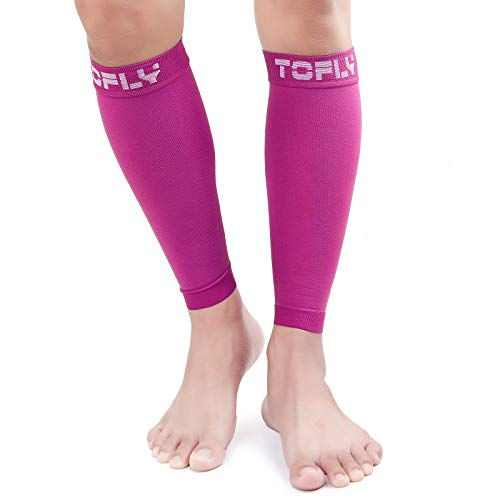
Designed for those dealing with shin splints, this compression sleeve provides targeted relief by reducing swelling and easing muscle strain along the shin. Unlike shoes, it wraps directly on the leg, offering consistent pressure without bulk, which helps prevent overuse injuries.
Doctors often recommend compression for shin pain, and this sleeve delivers that support. It’s ideal for runners, athletes, or anyone with leg discomfort—whether from activity or daily wear. The footless design keeps movement free while locking in support.
2. Compression Leg Support Sleeves
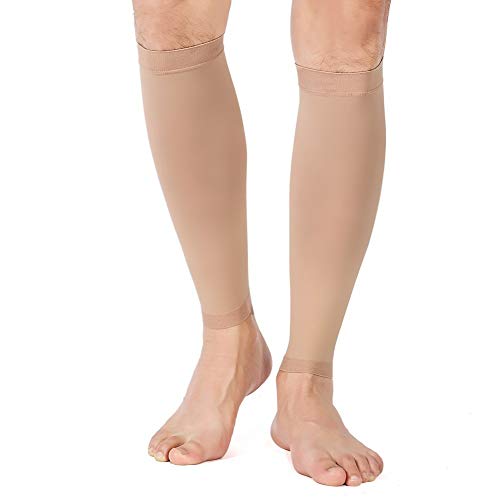
For shin splints, proper support isn’t just about footwear—it’s about easing tension in the lower legs. These compression sleeves help reduce inflammation and muscle strain by gently squeezing the calves, mimicking the effect of tight shoes while allowing full leg movement. They’re ideal for runners or anyone with persistent leg discomfort, offering relief without restricting circulation.
Doctors often recommend compression for shin splints because it improves blood flow and reduces swelling. These sleeves fit snugly over footless socks, so they work alongside supportive shoes to keep legs stable. The 20-30mmHg pressure also helps with varicose veins and swelling, making them a versatile option for active recovery.
3. Compression Leg Support Sleeves
For those dealing with shin splints, proper compression can ease discomfort and speed recovery. The TOFLY® calf sleeve provides targeted support without bulk, helping reduce swelling and muscle strain during activity. Unlike bulky footwear, it fits snugly over existing shoes, offering consistent pressure where needed—ideal for runners or athletes who need both relief and mobility.
Doctors often recommend compression for leg support, and this sleeve delivers that same effect. It’s gentle enough for daily wear but strong enough to combat varicose veins or pregnancy-related swelling. For those who rely on supportive footwear, it’s a simple, effective addition to any routine.
4. Supportive Orthotic Sandals

For shin splints, proper foot support is key. These sandals provide arch support to reduce stress on the lower legs. The cushioning helps absorb impact, easing pain during daily activities.
Doctors often recommend shoes with orthotic features to prevent recurrence. These sandals meet that need with built-in stability, keeping your feet aligned correctly. They’re lightweight yet durable, making them practical for long-term relief.
5. Compression Knee High Socks

For shin splints, proper compression helps reduce muscle fatigue and swelling along the tibia. These socks provide firm support that mimics gentle pressure, easing pain and speeding recovery by improving circulation. Unlike shoes alone, they work directly on the leg to lower strain on tendons and bones.
Doctors often recommend compression for persistent pain, and these socks fit that role. The open toe design lets you move freely while the graduated pressure targets weak areas. For nursing or long hours, they’re a practical choice—no bulky socks needed.
6. Graduated Compression Knee High Socks

These graduated compression socks ease pressure on tired calves and reduce swelling, which helps prevent shin splints by improving circulation. The snug fit supports muscles, lowering strain during activity. For those who need extra support, they’re a simple, doctor-approved way to keep legs comfortable without bulky shoes.
7. Medical Compression Socks

These knee-high compression socks help reduce swelling and blood pooling in legs, easing shin splints by lowering muscle strain. They’re gentle yet effective for athletes or those with chronic conditions, offering consistent pressure to support circulation.
For shin splint relief, proper footwear matters too—opt for supportive shoes with arch support and shock absorption. Pairing compression socks with the right shoes can cut pain and speed recovery.
8. Graduated Compression Calf Sleeve

For runners dealing with shin splints, proper compression can ease discomfort and speed recovery. These calf sleeves provide targeted support with a medical-grade compression range, reducing inflammation and fatigue in the lower legs. They’re lightweight, breathable, and designed to fit snugly without restricting movement, making them ideal for consistent training.
Doctors often recommend compression for shin splint relief, and these sleeves match that approach. The graduated pressure helps distribute force evenly, lowering strain on the shins. Since they’re knee-high and skin-toned, they blend into workouts without bulk, letting you focus on healing.
9. Low-Stress Fitness Method

The Maffetone Method focuses on steady, low-intensity training to reduce stress on joints and muscles. For those with shin splints, this approach minimizes overuse injuries by keeping workouts gentle yet effective. Proper footwear—designed to support arches and absorb shock—helps prevent irritation while allowing gradual recovery.
Doctors often recommend specific shoes to ease pain and improve movement. Pairing this method with the right footwear keeps training sustainable without aggravating shin splints. Consistency and smart footwear are key to long-term fitness without discomfort.
10. Compression Calf Sleeve
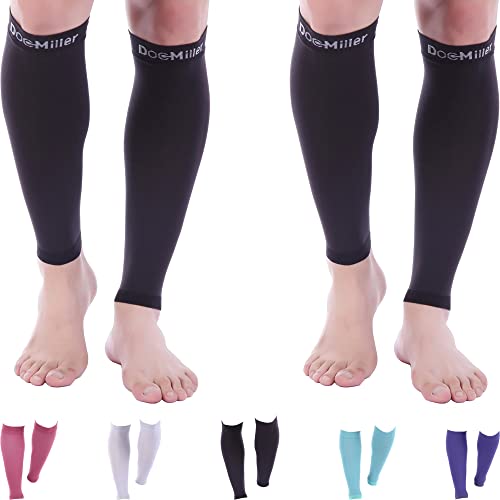
For shin splints, compression sleeves like these help reduce swelling and improve circulation, easing pain during recovery. They’re lightweight and snug, so they won’t interfere with movement while providing consistent support.
Doctors often recommend compression for shin splints alongside proper footwear. These sleeves add extra pressure to the calves, reducing strain on the shins and speeding up healing when paired with supportive shoes.
