
do dogs need shoes for snow

As an Amazon associate, Comfy-Kicks.com earns from qualifying purchases at no cost to you.
On the other hand, some breeds—like thick-coated herding dogs—won’t need shoes at all because their fur keeps their paws warm. If your dog is used to walking in snow without issues, they might not mind boots. But if they’re prone to paw problems, boots can help keep them comfortable and safe. Just watch for signs like limping or discomfort after walks.
do dogs need shoes for snow in 2026
1. Winter Dog Boots
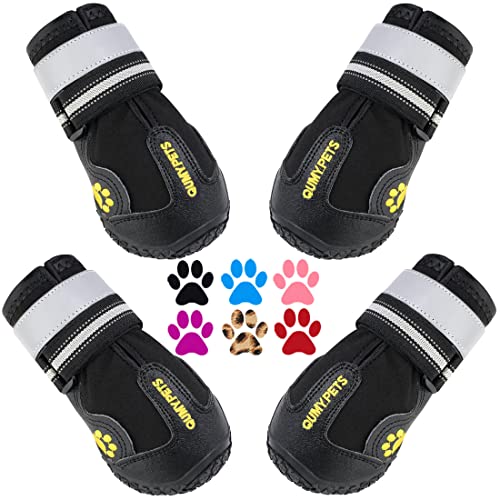
Dogs in snowy conditions often need protection to prevent paw injuries. Ice and salt can cause cracked pads, while deep snow can weigh them down. QUMY boots keep paws dry, shield against abrasions, and let them walk comfortably on slippery surfaces.
For winter, these boots prevent frostbite and reduce stress on joints. They’re also useful for summer pavement burns and rainy days. The sole grips hard floors, keeping dogs steady indoors too. Not every dog needs them, but they’re worth it for active or sensitive paws.
2. Dog Paw Protectors with Grippers
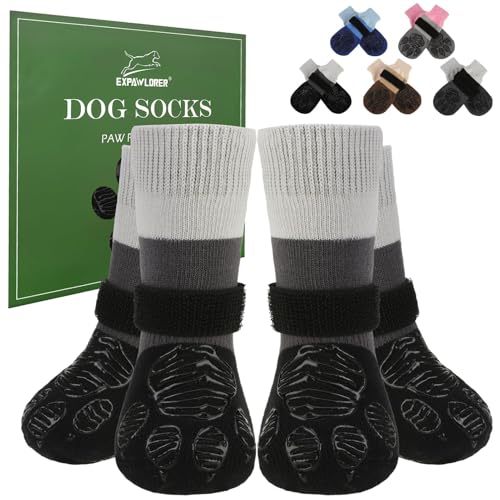
Dogs don’t need snow shoes, but they do benefit from them in deep, icy conditions. These boots protect paws from abrasion, salt, and freezing temperatures, keeping them dry and reducing paw damage. Without them, snow can pack into fur, causing discomfort, and ice can crack pads.
For winter walks, these grippy paw protectors help prevent slips on hard floors. They also stop dogs from licking wet, cold paws, which can lead to infections. If your dog’s paws are sensitive or small, these boots fit well and offer extra warmth.
3. Waterproof Dog Boots
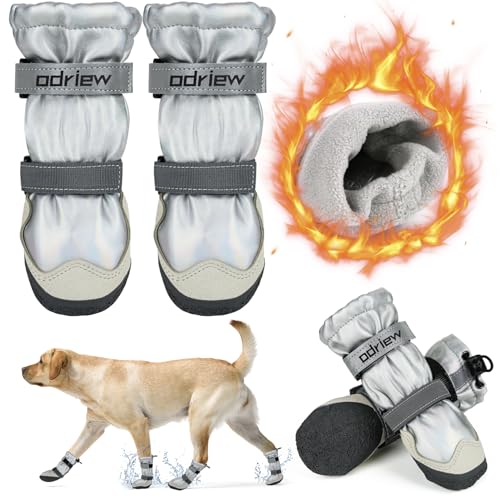
Dogs need snow boots to protect their paws from harsh conditions. Ice and salt can cause painful cracks or infections. These boots keep paws dry, prevent slips, and shield against freezing temperatures.
They also offer traction on slippery surfaces, reducing injury risks. Reflective strips help visibility in low light, while waterproofing keeps paws dry in wet snow. Without them, paws suffer from frostbite or abrasions.
4. Winter Dog Boots
Dogs don’t need shoes for snow, but shoes like QUMY’s can help in harsh conditions. Heavy snow and ice can be slippery, potentially causing injuries if your dog slips. These boots provide traction, keeping paws stable on icy surfaces. They also protect paws from salt and debris, which can irritate or damage them.
For summer pavement, the same boots shield paws from scorching heat. Rainy weather? Water-resistant materials keep paws dry and prevent slips. Indoor skid-resistant soles prevent accidents on hard floors. It’s not mandatory, but it’s smart for safety and comfort.
5. Waterproof Dog Boots

Dogs need snow shoes to protect paws from harsh conditions. Waterproof boots keep feet dry, preventing ice, salt, and snow from damaging pads. Non-slip soles prevent slips on icy terrain, reducing injury risk during walks.
Extended cuffs shield toes from deep snow and melting ice. These boots also guard against chemical burns from road salt. For outdoor activities, paw protectors offer extra warmth and traction, ensuring comfort and safety in winter.
6. Dog Winter Boots

Dogs in snowy conditions often need shoes to protect their paws from ice, salt, and harsh weather. Snow can be icy, causing slips and injuries, while salt and chemicals can burn their pads. QUMY shoes provide traction, warmth, and waterproofing to keep small dogs safe and comfortable outdoors.
For winter walks, these boots shield delicate paw pads from cold, wet, and abrasive surfaces. They also prevent frostbite and reduce discomfort on hard floors indoors. Without proper footwear, dogs risk injury or pain, making these essential for snowy days.
7. Dog Paw Booties

Dogs need shoes in snow for protection. Ice and slush can be harsh on paws, causing cuts, infections, or discomfort. Waterproof boots keep paws dry, preventing frostbite and salt damage from roads. Non-slip soles help prevent slips on icy surfaces, reducing injury risk.
For hot pavement, these boots also shield paws from burns. Adjustable straps ensure a snug fit for all sizes. Easy-clean material simplifies post-outing maintenance, keeping your dog’s feet healthy year-round.
8. Dog Boots

Dogs in snowy conditions often need protection. Snow can be icy, causing slips and injuries. QUMY boots keep paws dry, prevent frostbite, and shield against salt and chemicals on roads. They also improve traction, reducing the risk of falls.
For summer, pavement burns paws fast. QUMY shoes offer relief with water resistance and a grippy sole. They keep dogs comfortable on hot surfaces and protect against rain without slipping indoors. Both styles keep dogs safe and mobile year-round.
9. Winter Dog Boots

Snow can be harsh on a dog’s paws, causing ice, salt, and rough terrain to irritate their skin. These boots protect against cold, abrasion, and slippery surfaces, keeping paws dry and preventing injuries. They also help with traction, reducing the risk of slips and falls. Small to medium dogs benefit most, especially those with sensitive paw pads or short fur.
10. Waterproof Dog Booties

Dogs don’t inherently need shoes in snow, but winter conditions can be harsh. Paws get wet, slippery, or injured from ice and salt. These booties protect paws from cold, moisture, and abrasion while keeping them warm. They also prevent ice buildup, reducing paw damage and tracking snow inside. For active or small dogs, they’re a practical addition.
