
cobbles shoes for babies

As an Amazon associate, Comfy-Kicks.com earns from qualifying purchases at no cost to you.
Many parents prefer cobbles shoes because they’re lightweight yet strong enough to last through years of use. They’re also easy to clean, a plus when little ones get messy. If you’re looking for a timeless, practical option that won’t break the bank, cobbles are a smart investment for your baby’s growing feet.
cobbles shoes for babies in 2026
1. Soft Sole Walking Sneakers
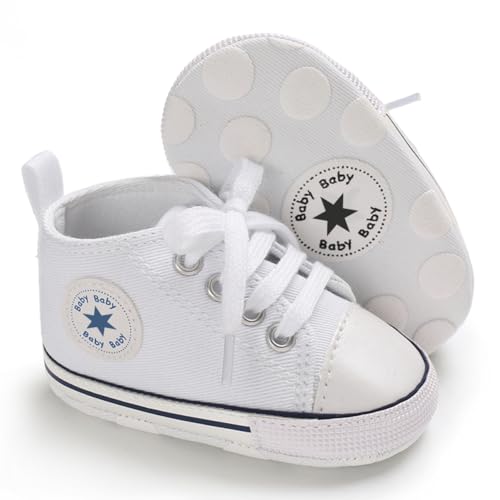
These shoes offer a sturdy yet flexible design for early walking, ideal for cobbled streets. The canvas material resists wear while allowing breathability, keeping little feet cool. The anti-slip sole grips uneven surfaces, preventing slips during first steps. Perfect for urban or outdoor use, they balance support and comfort for tiny walkers.
2. Non-Skid Baby Walking Shoes
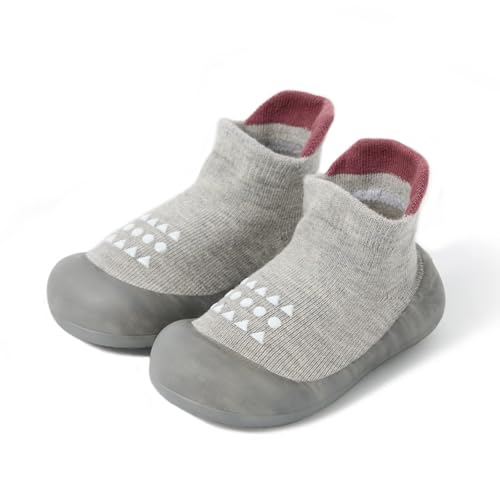
Cobbles-style shoes for babies often lack grip, but these rubber-soled socks mimic the traction of real footwear. The non-slip sole prevents slips on hard floors, which is critical for toddlers learning to walk. They’re lightweight yet durable, offering support without restricting movement.
Perfect for indoor use, these socks avoid the bulk of traditional shoes while keeping little feet safe. Grey color blends seamlessly with any nursery decor, and the unisex design suits any child’s size. No breaking in needed—just slip them on and let them explore.
3. Breathable Toddler Walking Shoes

Cobbled shoes for babies often feel stiff and restrictive, but these lightweight socks mimic the natural grip of cobbles while staying flexible. They let little feet move freely, preventing blisters and overgrowth from rigid soles. The breathable material keeps toes cool, which is better than heavy leather for daily walks.
For toddlers, these shoes avoid the awkward fit of traditional cobbles. The 12-18 month size range ensures a snug fit without crowding, while the walking-friendly design supports early steps. Parents won’t have to worry about slipping or discomfort during exploration.
4. Barefoot Walking Shoes
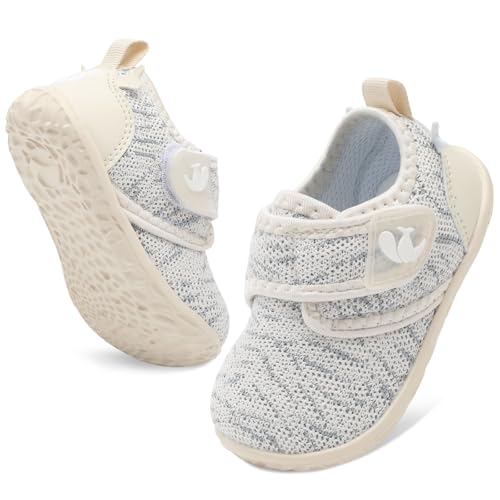
Cobbles-style shoes for babies often restrict natural movement, but lightweight barefoot alternatives let little feet develop properly. These shoes mimic natural walking by allowing toes to spread freely, reducing stiffness from rigid soles.
Flexible designs prevent overprotection while still offering grip. They’re ideal for early walking, balancing support and freedom—unlike cobbles, which can slow development.
5. Baby Walking Shoes

Cobbles shoes for babies often prioritize rigid soles and structured designs, which can limit natural foot movement. These shoes may not adapt well to a child’s growing feet or encourage proper gait development. FEETCITY’s lightweight, slip-on styles offer a gentler alternative by allowing toes to spread naturally, mimicking barefoot comfort.
For parents seeking flexibility, these shoes provide breathable material and minimal support, ideal for early walking stages. Unlike cobbled options, they reduce pressure on developing feet while still offering protection. The wide fit ensures comfort for varied foot shapes.
6. Breathable Walker Shoes

Centipede Demon shoes offer a practical alternative to traditional cobbled baby shoes. Unlike rigid cobbles, these slip-on styles prioritize lightweight flexibility, letting toes move naturally. Breathable mesh and soft soles prevent overheating while supporting early walking.
For parents prioritizing comfort over formality, these shoes mimic the ease of socks but with grip for stability. Cobbles often restrict foot growth, but these allow room to grow, making them ideal for active toddlers.
7. Breathable Baby Walking Shoes

Cobbled-style shoes for babies often mimic sturdy, outdoor footwear, but these soft pink slippers offer a gentler alternative. The breathable fabric prevents overheating while the non-slip sole keeps little feet steady on uneven surfaces. Unlike rigid cobblestones, these socks provide flexibility for natural movement, ideal for first steps.
For indoor use, the soft rubber sole absorbs impact, reducing strain on tiny toes. They’re lightweight enough for toddlers to walk in without discomfort. Unlike traditional cobblestone shoes, these prioritize comfort and safety over rigid structure.
8. Wide Baby Shoes for Walking

Cobbled-style shoes for babies often mimic natural foot movement, which helps with balance and muscle development. FEETCITY shoes offer a similar design with wide toe boxes, allowing toes to spread naturally. The breathable material keeps feet cool and dry, crucial for little ones still learning to walk.
For infants just starting to walk, these shoes provide gentle support without restricting movement. The lightweight, flexible construction mimics barefoot comfort while offering slight stability. Beige color blends seamlessly with everyday wear.
9. Breathable Walking Shoes for Babies

Cobbles shoes for babies often focus on rigid support, but these lightweight, breathable sneakers prioritize natural movement. They mimic barefoot walking by allowing toes to flex freely, which helps with muscle development. Unlike stiff cobbles, these shoes won’t restrict growth or limit balance training.
For early walkers, flexibility is key. These shoes offer a gentle alternative to cobbles by reducing pressure on delicate feet. Parents can trust they’ll support progress without forcing rigid structures. Perfect for crib or outdoor use, they balance safety with freedom.
10. Non-Slip Toddler Sneakers
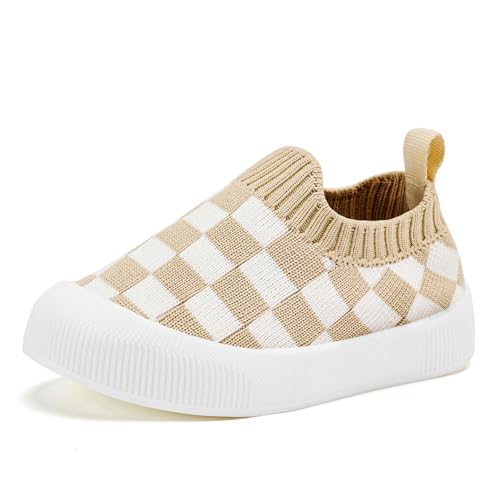
Cobbles shoes for babies often prioritize grip and support, and these sneakers deliver. The non-slip sole mimics cobblestone texture, preventing slips during early walking. Lightweight and flexible, they adapt to a toddler’s growing feet while encouraging balance.
Designed for first walkers, they offer stability without restricting movement. The low-top style keeps ankles secure, a key feature for cobblestone-style footwear. Durable and breathable, they’re built for active exploration.
