
can you wear volleyball shoes for basketball

As an Amazon associate, Comfy-Kicks.com earns from qualifying purchases at no cost to you.
Basketball shoes, on the other hand, focus on support and stability for the high-impact jumps and quick stops that happen in basketball. The soles are thicker and more structured to protect ankles and absorb the repeated shock of landing. If you wear volleyball shoes for basketball, you might feel unstable on the court and risk injury over time. Stick to the right shoes for the sport you’re playing.
can you wear volleyball shoes for basketball in 2026
1. Fashionable Basketball Sneakers

Volleyball shoes are designed for quick lateral movements and cushioning, but they lack the rigid support needed for basketball’s fast cuts and jumps. If you wear them for basketball, you risk ankle strain or foot fatigue from the wrong fit.
For basketball, you’ll need traction and ankle stability. Volleyball shoes often lack the structured heel and reinforced sole that prevent twists. If you must use them, opt for a high-top style with thick padding—though comfort and safety will suffer.
2. Performance Carbon Fiber Insoles

Volleyball shoes lack the structured support needed for basketball’s explosive movements. They’re built for lateral cuts and bouncing, not the sudden stops and jumps required on the court. If you wear them, your ankles may give way, and your knees could take the brunt of misaligned landings.
These insoles adapt to your foot’s natural shape while adding stiffness where it matters. They’ll keep you grounded during fast pivots and rebounds, reducing strain on joints. For racquet sports or running, they boost energy return and cushioning without clunky cleats. Stick to the right fit—your performance and safety depend on it.
3. Breathable Fashion Sport Sneakers

Volleyball shoes are designed for lateral movement and cushioning, not the explosive jumps and quick pivots of basketball. Their flat soles and flexible midsoles lack the ankle support and firm grip needed for hard court play. If you wear them for basketball, you risk ankle strain and reduced performance.
For basketball, you need shoes with reinforced toe boxes, arch support, and a thicker, more stable sole. Volleyball shoes won’t provide the necessary cushioning or traction for the demands of the game. Stick to basketball-specific footwear for safety and effectiveness.
4. High-Top Basketball Sneakers

Volleyball shoes offer cushioning and breathability, but they lack the ankle support and firm court grip needed for basketball. Their lightweight design may not handle the sudden stops and jumps required in basketball. If you’re playing both sports, consider hybrid options with better traction and stability. Volleyball shoes won’t prevent ankle rolls or provide the durability for basketball’s demands. Stick to basketball shoes for serious play.
5. Lightweight Lace-Up Basketball Shoes
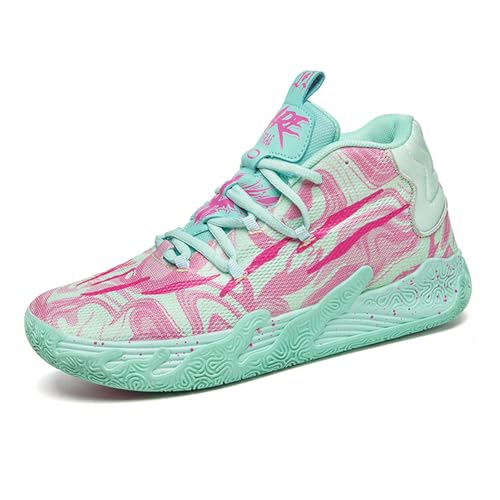
These shoes offer a lightweight, cushioned design that mimics basketball’s demands while keeping volleyball’s flexibility. The non-slip sole provides grip for quick lateral movements, though basketball’s harder court surface may require slightly more traction. The high-top structure supports ankles better than volleyball shoes, reducing strain during jumps. For casual play, they work, but for serious basketball, specialized shoes ensure durability and performance.
6. Volleyball Shoes

Volleyball shoes like the black/white model offer lightweight cushioning and flexible soles, which can help with quick lateral movements. The design prioritizes agility over heavy jumping, so they’re not ideal for basketball’s constant stops and starts.
For basketball, you’d need more durable traction and reinforced ankles. Volleyball shoes lack the support needed for the sport’s harder landings and side-to-side demands. Stick to basketball-specific shoes for safety and performance.
7. Fashion Volleyball Sneakers

Volleyball shoes are designed for quick lateral movements and soft landings, which can work in basketball if they have good traction. The non-slip soles and breathable upper help with ankle support and sweat control, though basketball’s faster cuts may strain them more than volleyball’s slower pace.
For basketball, you’d need deeper cushioning and reinforced midsoles to absorb harder jumps. Volleyball shoes lack the structural support for the sport’s demands, so they’re not ideal. Stick to basketball-specific shoes for durability and performance.
8. Breathable Basketball Shoes

Volleyball shoes are designed for quick lateral movements and soft court surfaces, but they lack the ankle support and firm grip needed for basketball. Basketball demands sudden stops, jumps, and hard landings, so volleyball shoes won’t provide the stability or traction required. If you must wear them, expect discomfort and a higher risk of injury. Stick to basketball-specific shoes for safety and performance.
9. Fashion Athletic Sneakers

Volleyball shoes are designed for agility and quick lateral movements, which can work for basketball but won’t match its demands. Their lightweight construction and non-slip soles help with court traction, but they lack the reinforced ankle support and deep cushioning needed for hard stops and jumps. If you prioritize comfort over performance, they might suffice, but for serious play, basketball shoes offer better durability and stability.
10. Basketball Shoes

Volleyball shoes lack the deep cushioning and supportive structure needed for basketball’s rapid cuts and jumps. Their lightweight design prioritizes agility over impact absorption, so they’ll wear out fast and offer poor ankle stability. Basketball demands more firm ground feel and reinforced midsoles to handle constant pivoting and hard landings. If you switch, you’ll risk discomfort and injury after just a few games. Stick to basketball shoes for serious play.
