
can you wear training shoes for running

As an Amazon associate, Comfy-Kicks.com earns from qualifying purchases at no cost to you.
Most training shoes lack the durability and specialized structure needed for extended wear. They can wear out faster and may not offer the same level of protection as running shoes. If you’re just starting out, it’s best to invest in a good pair of running shoes to avoid discomfort or harm down the road.
can you wear training shoes for running in 2026
1. Wide Toe Trail Running Shoes

Training shoes are built for speed and stability, not the uneven terrain of trails. Bewenoo’s wide-toe design lets your toes spread naturally, reducing blisters and improving balance. They offer grip and cushioning for varied surfaces, making them safer than generic training shoes for running on rough paths. The flexibility fits your foot’s movement, unlike stiff training shoes that limit motion.
2. Minimalist Walking Shoes

Training shoes designed for cross-training and casual wear often lack the specialized support needed for running. These shoes prioritize comfort and ease of movement, which can be fine for light activity but may not align with the demands of running. Running shoes typically feature a zero-drop or slight heel-to-toe drop to enhance natural foot mechanics and reduce impact stress.
Oranginer’s minimalist design offers a middle ground by blending barefoot principles with structured support. The zero-drop sole encourages proper foot positioning, while the flexible construction helps with natural movement. For those who train but don’t run regularly, these shoes can serve as a transitional option—though serious runners should stick to dedicated running footwear.
3. Supportive Running Shoe

Training shoes like these are built for all-day wear, not just sprints. The cushioning and support keep joints stable during daily activities, while the durable outsole handles pavement and trails. They’re ideal for cross-training—balancing strength workouts with light running—without sacrificing comfort. The breathable design prevents overheating, and the structured fit reduces fatigue. If you alternate between lifting and running, these shoes bridge the gap.
4. Minimalist 5-Finger Sneaker

Training shoes designed for strength and cross-training can work for running if they prioritize natural foot movement. These shoes often feature minimal drop heels, wide toe boxes, and flexible soles to mimic barefoot motion. The zero-drop design encourages proper foot alignment and reduces strain on joints. However, if you’re used to traditional running shoes, transitioning too quickly could lead to discomfort or injury. Stick with them for steady runs while gradually exploring lighter options.
5. Minimalist Trail Running Shoes

Training shoes aren’t ideal for serious running—they lack the support and flexibility barefoot-style shoes offer. UBFEN’s minimalist design mimics natural movement, reducing strain on feet and joints. For trail running or casual walks, these shoes adapt to terrain better than stiff training shoes, keeping you comfortable without sacrificing performance.
6. Breathable Mesh Tennis Shoes

Training shoes designed for running prioritize cushioning and support, but lightweight athletic sneakers like these can work if they offer proper grip and flexibility. The mesh material lets air circulate, reducing heat and sweat buildup. For casual runs or short sessions, they’re fine if they match your stride’s needs. Just ensure they fit well and have enough traction.
7. Fresh Foam Sneakers
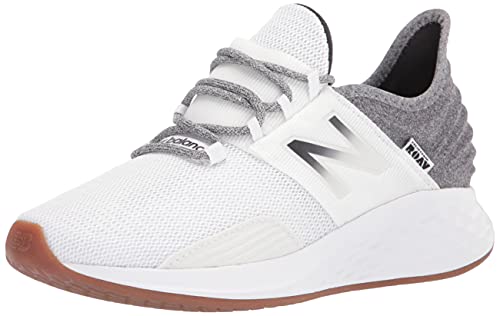
The Fresh Foam Roav V1 is designed with lightweight cushioning that absorbs impact well, making it suitable for training sessions. Its structured support helps maintain stability during varied movements, reducing fatigue over time.
For running, the fresh foam provides a balanced feel between comfort and responsiveness. The midsole’s design supports consistent energy return, ideal for drills and light jogs.
8. Workout Sneakers

These gym shoes offer a solid option for cross-training, blending stability and flexibility. The design supports varied movements without sacrificing cushioning, so they’re decent for light running if your routine stays within moderate intensity. Just ensure your stride isn’t too fast or long—these won’t match dedicated running shoes for endurance. Stick to them for gym workouts, short jogs, or casual wear where versatility matters more than pure speed.
9. Barefoot Casual Sneakers
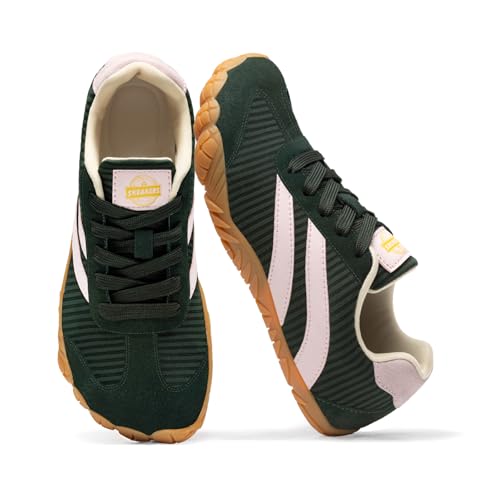
These minimalist shoes prioritize natural foot movement, unlike traditional training shoes that restrict motion with stiff soles. They offer a zero-drop design, aligning heel and forefoot heights for better balance and reduced strain on joints. The wide toe box encourages natural toe splay, improving stability and reducing overpronation risks.
For serious runners, these shoes can enhance form by reducing reliance on artificial support. However, they demand consistent practice to adapt—training shoes provide cushioning and structure that may be insufficient for long-distance or high-impact runs. Use them only if you’re prepared to adjust.
10. Running Shoes

Training shoes like these offer cushioning and support for both workouts and runs, but they’re not ideal for every session. The Gel-Excite’s plush padding absorbs impact during drills or light jogs, but if you’re pushing hard, the structure may lack the durability for intense races. Stick to them for steady-state efforts or cross-training, but swap them for race shoes when you hit your usual pace.
