As an Amazon associate, Comfy-Kicks.com earns from qualifying purchases at no cost to you.
Running shoes and hiking boots serve different purposes, so wearing one over the other can lead to discomfort or injury. Running shoes are designed for speed and cushioning on pavement, while hiking boots provide ankle support and traction for uneven terrain. If you plan to hike, your feet will need protection against rocks, roots, and loose soil, which running shoes lack.
Running shoes also lack the necessary grip for slippery surfaces or steep climbs. Hiking shoes or boots are built for durability and support, ensuring you stay steady and safe. If you’re just starting out, investing in proper hiking footwear is worth the extra cost to avoid strain or accidents.
Running shoes aren’t ideal for rugged hiking trails, but some versatile designs blend the right balance of support and adaptability. These shoes prioritize grip, flexibility, and breathable materials to handle uneven terrain while keeping feet dry. They’re built for comfort over long distances, with wide toe boxes and reinforced soles for stability—though they lack the ankle support of proper hiking boots. If you prioritize mobility over extreme terrain, they can work, but they won’t replace specialized gear for steep or technical routes.
Running shoes designed with minimalist features can work for hiking, but only if they prioritize stability and terrain adaptability. These shoes often have a wide toe box and zero drop, which mimic barefoot movement, improving natural foot positioning and reducing strain on joints. However, they lack the thick, grippy soles and reinforced midsoles found in hiking boots, making them less ideal for rough or steep trails. If you prioritize comfort and flexibility over rugged protection, they can serve well for light hiking or casual walks.
Running shoes designed for hiking offer a solid balance of support and flexibility, making them a practical choice for trails. They prioritize cushioning and lightweight construction to reduce fatigue while maintaining grip on uneven terrain. The non-slip sole ensures stability, though trail-specific outsole patterns might be slightly more aggressive for better traction. These shoes excel for casual hikes or light trails but lack the ankle reinforcement for steep or rocky paths.
Running shoes designed for water activities offer a solid alternative for hiking if you prioritize quick-drying materials and light traction. The grip and breathable fabric prevent blisters and keep feet dry, making them practical for trails near rivers or after rain. Just ensure they lack deep treads, as they won’t provide the same ankle support as hiking boots.
Running shoes designed for minimalist or zero-drop styles can work for hiking if they offer the right traction and support. These shoes prioritize natural movement, which may suit trails with loose terrain, but they lack the reinforced ankle support and deep treads typical of dedicated hiking boots.
For serious hiking, you’d need a shoe that balances barefoot flexibility with grip and durability—something like these minimalist models might not fully provide. Stick to specialized gear for rough conditions.
Running shoes aren’t ideal for rugged hiking terrain, but minimalist designs like these can work if terrain is smooth and stable. The wide toe box and flexible construction mimic natural foot movement, reducing strain on joints while providing grip for light trails. For serious trails, though, they lack the durability and support of proper hiking boots.
Running shoes designed for minimalist or barefoot-style construction can work for hiking if they prioritize stability and traction over traditional cushioning. These shoes often feature a zero-drop design, which may reduce discomfort on uneven terrain but could require more careful foot placement than standard hiking boots. The right minimalist option should match your grip needs and terrain demands.
The ASICS Gel-Venture shoes offer solid cushioning and support, making them a decent choice for light hiking trails. Their durable outsole grips uneven terrain better than most running shoes, though rough rocks or deep trails may still wear them faster.
They’re not ideal for serious backcountry hiking, but for casual day hikes with moderate elevation, they hold up well. The cushioning helps with comfort over longer distances, though stability on steep or loose ground could be an issue.
Columbia Men’s Granite Trail shoes offer solid traction and cushioning, making them a decent choice for light hiking when the terrain isn’t too rugged. The Cordovan/Night Wave variant adds durability and breathability, though they’re better suited for moderate trails rather than steep or rocky paths.
These running shoes won’t replace proper hiking shoes, but if you’re out for short, easy hikes, they’ll handle the wear without breaking down quickly. Just watch the grip on slick surfaces and the fit if you plan to walk long distances.
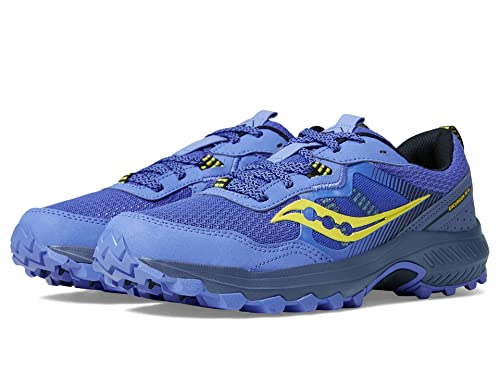
Running shoes are designed for speed and smooth pavement, but some models handle uneven terrain well enough for light hiking. The Saucony Excursion Tr16, with its durable outsole and reinforced midfoot, proves that certain running shoes can bridge the gap between trails and trailside paths.
Its cushioning and stability features make it a practical choice for short hikes where you don’t need rugged boots. The Pool/Sulpher colorway adds a stylish twist, showing how versatile these shoes can be.
This summer, women’s shoes are the perfect way to refresh your wardrobe without breaking the bank. A great sale on stylish footwear means you can find everythin…
Hoka shoes have become a top choice for women who want comfort and support without sacrificing style. Known for their thick, cushioned soles, they’re perfect fo…
LeBron James shoes for kids are a great way to let little ones show off their basketball spirit while staying comfortable. The brand offers a range of styles de…
White Aldo shoes for men are a classic choice that never goes out of style. These shoes offer a timeless look that pairs well with everything from casual outfit…
Choosing the right shoes for nurses is crucial because they need to support the body while providing comfort all day long. Nurses often stand for long periods,…
Saucony shoes are a solid choice if you need support for pronation, especially as you get older and your feet start to wear down. I’ve worn a few different bran…