As an Amazon associate, Comfy-Kicks.com earns from qualifying purchases at no cost to you.
Running shoes are designed for the specific demands of running, which means they’re built with extra cushioning, lightweight materials, and specialized support to handle the repetitive impact of foot strikes at high speeds. Walking, on the other hand, involves a different kind of motion—less impact, more stability, and often a slower pace. If you’re just walking for daily errands or light activity, the extra cushioning in running shoes might feel unnecessary, even slightly uncomfortable over time. They’re made to absorb shock more aggressively than needed for walking, which could lead to over-cushioning or uneven support if worn regularly.
Most running shoes aren’t ideal for walking because they lack the firm, structured heel and arch support that walking shoes provide. Walking requires a smoother, more consistent stride to protect joints and maintain balance, and running shoes often don’t offer that stability. If you’re considering switching between the two, it’s best to invest in a pair of walking shoes that prioritize durability and comfort for the way you move. Your feet—and your knees—will thank you.
These shoes offer a smooth ride with cushioned support, making them surprisingly adaptable for walking. The Fresh Foam midsole absorbs impact well, reducing strain on joints while keeping comfort consistent over long distances.
The lightweight design and flexible sole handle uneven pavement better than stiff running shoes, so they’re a practical choice for daily walking without sacrificing support.
Running shoes designed for intense activity like treadmill workouts or sprinting provide cushioning and support tailored to impact absorption. While they excel in long-distance running, their rigid structure and specialized footbeds may not match the comfort of walking shoes for daily wear.
For casual walking, such as errands or light activity, you’ll find running shoes less supportive over extended periods, risking discomfort or fatigue. A better fit would be shoes with softer soles and arch support, prioritizing all-day wear.
Running shoes aren’t just for runners—they’re built for the kind of support and cushioning that makes walking smoother and more comfortable. If you’ve ever wondered whether those specialized shoes could serve a different purpose, the answer is yes. They reduce joint stress, absorb impact, and adapt to uneven terrain better than most walking footwear. Even if you’re not chasing a marathon, upgrading your footwear can turn a daily walk into a more efficient, less painful experience.
These shoes are built for versatility, making them a practical choice if you want to switch between walking and running without replacing your footwear. The cushioning and lightweight design support steady movement for daily walks while still offering the stability needed for varied terrain.
The wide toe box accommodates different foot shapes, so they won’t feel cramped even when you’re just strolling. The sole grip ensures traction on flat surfaces, too, so they’re not just for trails.
Running shoes are designed with extra cushioning and support for impact absorption during fast-paced movements, which makes them ideal for long-distance running. If you walk regularly, these features can still help by reducing joint stress, especially on longer routes or uneven terrain.
However, walking demands slightly different stability and fit compared to running. These shoes’ lightweight construction and breathable material suit daily wear well, but look for a snug fit to prevent blisters and ensure comfort over extended periods.
Running shoes are built for cushioning and impact absorption, which makes them ideal for long-distance running. Their thick midsoles and responsive soles provide extra support, so they can handle the repetitive stress of jogging or sprinting well. That said, they’re not always necessary for casual walking—they’re heavier and designed for speed, not everyday movement.
Walking shoes prioritize stability and lightweight comfort for all-day wear. Their flatter soles and lighter materials reduce strain, making them better suited for prolonged standing or light activity. If you’re just strolling or walking short distances, a pair of walking shoes will feel more natural and efficient than running shoes.
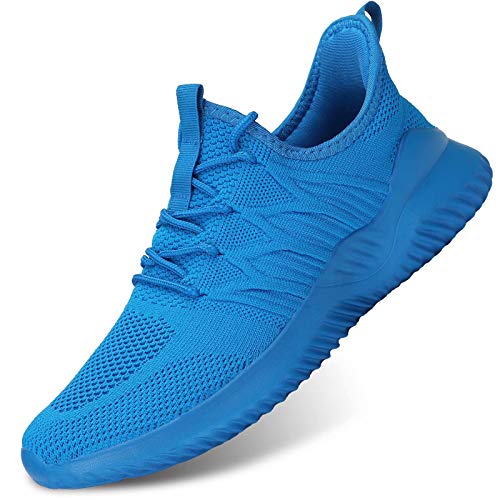
Running shoes are designed with cushioning and support tailored for impact absorption during fast, repetitive strides, which makes them ideal for running. Their lightweight construction and flexible soles also adapt well to varying walking surfaces, offering stability without extra bulk. For casual walking, the same breathable mesh and slip-on ease can feel comfortable over long distances, though you might notice slight differences in heel-to-toe transition compared to running. The monochrome style keeps things simple, ensuring they blend seamlessly into daily routines.
Running shoes are built for speed and impact absorption during fast-paced movements, but some models can adapt well for walking. The ALLSWIFIT design emphasizes lightweight construction and flexible soles, which reduce strain on joints while maintaining support. The cushioned midsole and non-slip grip make them suitable for daily walking—whether errands, casual strolls, or light outdoor tasks—without sacrificing comfort or stability.
Running shoes designed for walking often blend lightweight materials with a softer sole to mimic the natural stride of casual footwear. They’re built for comfort over extended periods, reducing strain on joints and keeping feet dry with breathable mesh and padded collars.
For walking, these sneakers offer a smooth, cushioned ride without sacrificing ease of wear—perfect for errands, light hikes, or just moving around town. The slip-on design makes them practical for quick transitions, while the casual style keeps them suitable for everyday use.
These supportive running shoes offer a stable platform with a firm yet flexible midsole, making them adaptable for walking. The arch support and cushioned heel help reduce strain on joints, which is useful for daily walking if you prefer a structured fit over barefoot styles.
The durable outsole provides grip on various surfaces, and the snug fit prevents excessive foot movement—ideal for walking without sacrificing comfort. Just ensure the design aligns with your walking pace and terrain.
Olympic weightlifting shoes are designed to provide the stability and support athletes need, but wide feet can make finding the right fit tricky. Most standard…
Orthofeet shoes are a game-changer for anyone dealing with bunions. These shoes are designed specifically to provide extra support and space for the big toe joi…
The Brooks Ghost Walking Shoes have been a staple in my running bag for years, and I’ve never found a pair that feels as natural on my feet as these. They’re bu…
Choosing the right shoes for treadmill walking is key to keeping your feet happy and preventing discomfort over time. Look for shoes with good arch support and…
Pink Barbie shoes for adults are a fun way to bring a little playful energy into your everyday wardrobe. I’ve been wearing them myself lately—just a pop of colo…
Running with a bad knee can be tough, but the right shoes can make a real difference. You want something that supports your joint while absorbing shock gently….