
best walking shoes for morton’s neuroma

As an Amazon associate, Comfy-Kicks.com earns from qualifying purchases at no cost to you.
I’ve found that shoes with rocker soles can also help by encouraging a more natural gait. This reduces strain on the neuroma while still letting you move comfortably. If you’re dealing with swelling, opt for breathable materials to keep your feet dry and avoid irritation. A little extra investment in quality footwear can make a big difference in your daily comfort.
best walking shoes for morton’s neuroma in 2026
1. Wide Toe Box Walking Shoes

For Morton’s neuroma, proper arch support and a wide toe box are critical. These shoes provide extra room in the forefoot, reducing pressure on swollen nerves between the toes. The hook-and-loop closure ensures a snug yet adjustable fit, preventing irritation while allowing for easy adjustments as swelling changes.
The orthopedic design supports the metatarsal region, easing pain from Morton’s neuroma and plantar fasciitis. The cushioned sole absorbs shock, reducing strain on the foot during daily walking. Ideal for seniors or those with diabetic complications, these shoes prioritize comfort and stability.
2. Foot Pain Relief Cushions
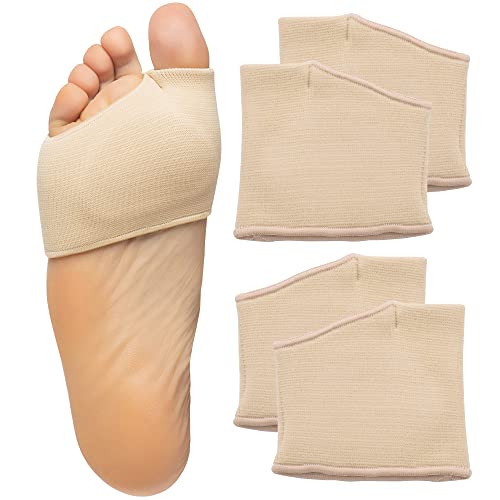
These pads help distribute pressure evenly across the ball of the foot, easing sharp pain from Morton’s neuroma. They’re designed to fit snugly inside shoes, providing relief without bulk. For those who walk long distances, they’re a simple fix for discomfort that can worsen with poor-fitting footwear.
Pair them with supportive shoes to maximize relief. The gel inserts cushion sensitive areas, while the fabric sleeves stay in place. If you’ve tried other solutions without success, these pads offer a targeted, non-invasive way to reduce pain while walking.
3. Metatarsal Gel Pads

For Morton’s neuroma, proper footwear is key, but these pads add extra relief. They distribute pressure evenly across the ball of the foot, reducing irritation where nerves swell. The gel pad cushions sharp discomfort during long walks, making daily steps more bearable.
These pads fit well in most walking shoes, offering targeted support without bulk. They’re simple to use—just slip them in—so they’re great for quick fixes. If your shoes lack arch support, these help too, making them a smart addition for consistent pain relief.
4. Gel Toe Separators & Metatarsal Pads

If you’re dealing with Morton’s neuroma or metatarsal pain, proper footwear and supportive spacers can make a big difference. The best walking shoes for Morton’s neuroma should have wide toe boxes and cushioned midsoles to reduce pressure on the ball of the foot. These toe separators and metatarsal pads help distribute weight evenly, easing discomfort during long walks or standing.
For extra relief, these gel inserts provide soft cushioning that reduces stress on the metatarsal heads. They’re ideal for anyone who walks or stands for extended periods, helping prevent flare-ups while keeping feet comfortable. Pair them with shoes designed for neuroma relief, and you’ll see a noticeable difference in daily pain levels.
5. Neuroma Foot Inserts

These inserts provide targeted relief for metatarsalgia and Morton’s neuroma by distributing pressure evenly across the ball of the foot. They reduce sharp pain from plantar fasciitis and arch strain, making them ideal for long walks or standing jobs. The deep cushioning and arch support help align the foot properly, easing discomfort without bulky orthotics. Perfect for men and women, they fit standard walking shoes well, offering consistent relief for chronic foot issues.
6. Metatarsalgia Insoles

For Morton’s neuroma, proper cushioning and metatarsal support are key. These insoles distribute pressure evenly, reducing irritation around the ball of the foot. They provide firm arch support to prevent overpronation, which can worsen neuroma pain during long walks or standing.
Walking shoes with integrated metatarsal padding or deep heel cups work best alongside these insoles. They protect the forefoot while maintaining natural foot alignment. For consistent relief, choose shoes with a wide toe box and flexible soles to avoid extra strain on the affected area.
7. Metatarsal Gel Cushions

For Morton’s neuroma, proper footwear is key, but these pads add extra relief. They distribute pressure evenly across the ball of the foot, reducing strain that causes sharp pain. The gel cushioning absorbs shock during walking or running, easing discomfort over time.
Worn under shoes, they prevent overuse injuries by shifting weight away from the affected area. Since many walking shoes lack adequate arch support, these pads fill that gap, making them a simple upgrade for consistent relief.
8. Metatarsal Pain Relief Cushions

When dealing with Morton’s neuroma, the right walking shoes matter, but so do targeted relief tools. These pads fit inside shoes to ease pressure on the ball of the foot, reducing sharp pain and swelling. They’re thick enough to cushion extra stress while keeping feet stable, which helps when walking long distances or standing all day.
For those with metatarsalgia, these pads adjust to fit snugly with adjustable straps, ensuring they stay in place. They’re non-slip and gel-filled, so they don’t shift while you move. Pair them with supportive shoes, and you’ll notice less discomfort, especially if your shoes lack arch or ball-of-foot support.
9. Casual Orthopedic Sneakers Relief Shoes

For Morton’s neuroma, cushioning and arch support are key. These shoes offer lightweight padding that reduces pressure on the ball of the foot, easing sharp pain. The slip-on design lets you move freely without discomfort, ideal for daily walking or standing.
The built-in orthopedic support stabilizes the foot, preventing nerve irritation. Lightweight yet sturdy, they adapt to your stride while protecting sensitive areas. Perfect for those who need relief without sacrificing comfort.
10. Metatarsal Gel Cushion Inserts
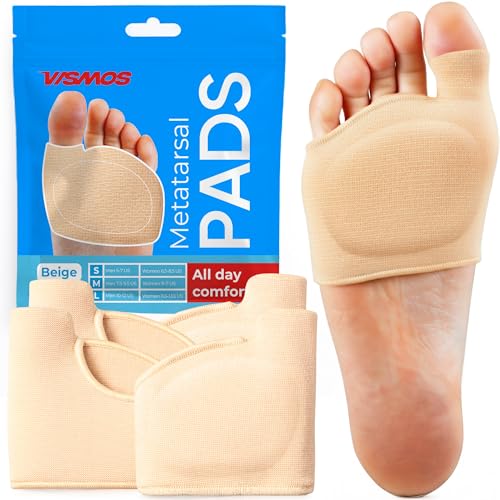
If you’re dealing with Morton’s neuroma or persistent ball-of-foot discomfort, the right shoe matters. These soft gel inserts fit inside shoes to reduce pressure on the metatarsal heads, easing sharp pain and swelling. They’re designed to distribute weight evenly, which helps prevent calluses and keeps nerves from being pinched.
For consistent relief, pair them with shoes that offer arch support and a wide toe box. The pads’ cushioning helps maintain this balance, making them a practical upgrade for daily walking or long walks.
