
best walking shoes for hallux limitus

As an Amazon associate, Comfy-Kicks.com earns from qualifying purchases at no cost to you.
I’ve tested a bunch of shoes over the years, and the ones that work best are made with thick, supportive midsoles and rocker soles that help ease the gait. Brands like Hoka or Brooks tend to do well because they have extra cushioning and smooth transitions. If you’re dealing with a lot of pain, consider shoes with a slight arch lift or orthotic inserts to take the strain off your toe. Just make sure they fit well—no tight spaces—and walk in them for a while before buying to check for comfort.
best walking shoes for hallux limitus in 2026
1. Rigid Carbon Fiber Orthotic Insoles

For hallux limitus, these insoles provide rigid support to limit joint movement, easing stiffness and reducing pain. The carbon fiber material offers durable reinforcement, preventing excessive toe flexion that worsens arthritis. They distribute weight evenly, cutting down on stress on the big toe joint during walking.
The extension design helps align the foot properly, mimicking natural gait mechanics. This reduces friction and irritation, which often flare up with hallux limitus. Pairing them with supportive shoes keeps the joint stable, slowing joint degradation over time.
2. Rigid Foot Support Insert

For those dealing with hallux limitus, this insole offers unmatched support by stabilizing the big toe joint. The rigid carbon fiber design prevents excessive motion, reducing pain and improving mobility during daily walks. It’s ideal for active lifestyles, cutting down on discomfort from limited toe flexibility.
Athletes and hikers will appreciate its durability, especially for high-impact activities. Unlike post-op shoes, it’s lightweight yet firm, fitting into most rigid footwear. If you need consistent relief without sacrificing performance, this insole is a game-changer.
3. Rigid Foot Support Inserts

Carbon fiber insoles and rigid foot plates offer unmatched support for severe joint issues like hallux limitus. They distribute weight evenly, reducing pain and preventing further degeneration by stabilizing the big toe joint. For post-op recovery or chronic stiffness, these inserts mimic the stability of custom orthotics without the cost or wait.
If you’ve got turf toe, foot fractures, or Morton extension, these plates provide rigid protection while allowing natural movement. They’re a solid alternative to bulky post-op shoes, letting you walk comfortably without sacrificing function.
4. Rigid Foot Support Insole

For hallux limitus, these insole inserts provide rigid support to correct misalignment and reduce joint stress during walking. The carbon fiber material absorbs shock while maintaining stability, easing pain from stiff big toe joints.
They offer customizable arch support and toe box reinforcement, ideal for long walks. Proper alignment helps maintain gait efficiency, reducing fatigue and discomfort over time.
5. Carbon Fiber Foot Inserts

For those dealing with hallux limitus, stiff foot mechanics, or chronic joint pain, carbon fiber insoles offer unmatched support. They distribute weight evenly, reducing stress on the big toe joint while maintaining arch stability. The rigid yet flexible design prevents excessive toe movement, easing stiffness and improving gait efficiency.
These inserts also aid recovery from fractures or severe joint degeneration. Their lightweight, shock-absorbing properties protect foot structures during daily walking. If you’re looking for a shoe insert that combines durability with pain relief, this option stands out for long-term comfort and function.
6. Carbon Footplate Inserts

For hallux limitus, rigid insoles with carbon foot plates offer unmatched support by stabilizing the big toe joint. These inserts reduce pain and prevent further degeneration by distributing pressure evenly across the forefoot, which is critical for long-term walking comfort.
The carbon material provides shock absorption and structural integrity, making them ideal for high-impact activities. When paired with the right shoes, they help limit toe deformity and ease daily discomfort.
7. Rigid Foot Plate Insoles
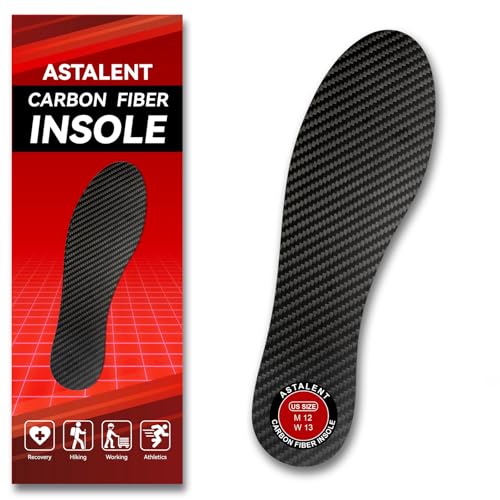
For those dealing with hallux limitus, rigid foot plates offer unmatched stability. These insoles provide precise support to limit joint movement, reducing pain and preventing further degeneration. Unlike soft shoes, they force alignment, mimicking post-op correction without surgery.
They’re lightweight yet durable, ideal for daily walking. The carbon fiber design absorbs shock while maintaining structure, making them a practical alternative to bulky post-op footwear. Perfect for active lifestyles where comfort and function matter.
8. Comfortable Diabetic Orthopedic Walking Shoes

For hallux limitus, these shoes prioritize toe box width and arch support to ease joint strain. The non-slip sole prevents sudden shifts, reducing stress on the big toe while maintaining stability during long walks.
The orthopedic design accommodates swelling and bunion growth, keeping pressure off the affected area. The barefoot-style fit mimics natural foot movement, reducing pain from rigid footwear.
9. Wide Toe Box Orthopedic Sneakers

For hallux limitus, proper toe space and arch support are key. These shoes offer a wide toe box to prevent joint compression, easing pain from restricted movement. The thick cushioning absorbs shock, reducing strain on the forefoot while maintaining stability.
The zero-drop sole keeps the foot aligned naturally, which helps with long-term joint health. Rose red color adds a stylish touch without sacrificing functionality for daily wear.
10. Carbon Fiber Foot Support Insert
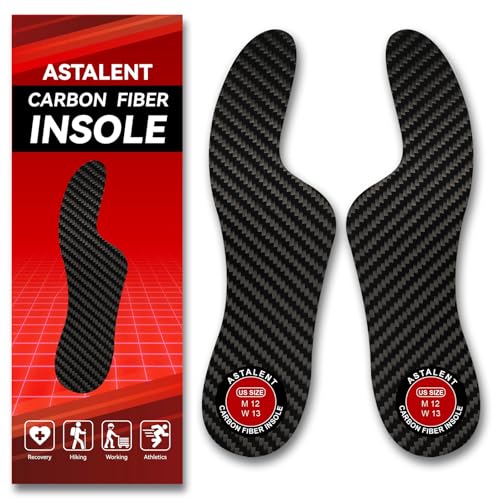
For hallux limitus, rigid insole inserts like Morton’s Extension Orthotic provide critical joint support by maintaining proper toe alignment. They reduce excessive motion at the big toe joint, easing stiffness and pain during daily walking. The carbon fiber material offers durable reinforcement, preventing further degeneration while distributing pressure evenly.
These inserts work best in walking shoes with firm heel counters and ample toe box space. They’re ideal for those who need extra stability without sacrificing mobility. Pairing them with supportive footwear can significantly reduce arthritis-related discomfort over time.
