
best shoes for sesamoiditis

As an Amazon associate, Comfy-Kicks.com earns from qualifying purchases at no cost to you.
Stability is key, so avoid shoes with excessive cushioning or a high heel that shifts your weight forward. Brands like Brooks, Asics, or Hoka offer reliable options with proper support. If you’re still in pain after trying these, consider orthotics for extra cushioning. Listen to your body—switching shoes if they cause discomfort can speed up healing.
best shoes for sesamoiditis in 2026
1. Foot Support Gel Pads
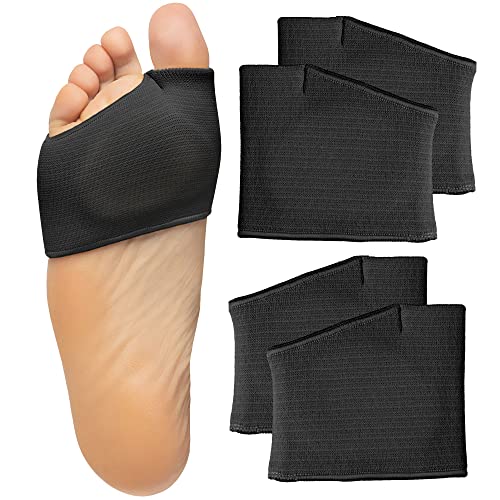
For those who wear shoes with a roomy toe box, these fabric sleeves with gel inserts fit snugly without bulk. They’re designed to fit two pairs, so you can keep one on while the other dries or gets cleaned. Since they’re made for long-term relief, they’re especially useful if you spend hours on your feet—whether you’re at work, running errands, or just going about your daily routine.
2. Ball of Foot Pain Relief Pads

For those who need extra protection, these pads are lightweight yet durable, perfect for daily wear or performance activities. When paired with the best shoes for sesamoiditis—like those with a firm heel cup and ample toe box—they help distribute weight evenly, preventing further irritation. The included right-foot set means you won’t have to guess which side to use.
3. Foot Pain Relief Gel Pads
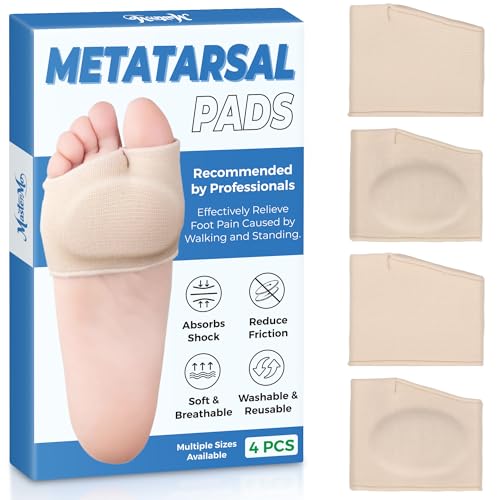
For those who need consistent relief, these pads reduce strain on sensitive areas while keeping your foot stable. They’re designed to fit well in most footwear, so they won’t interfere with your stride. If you’re already wearing supportive shoes, adding these can help manage pain without extra effort.
4. Forefoot Pain Relief Pads

These pads are designed to ease the strain on the metatarsal area, which is often the source of discomfort for those with sesamoid issues. They’re lightweight yet supportive, so they won’t add bulk but still offer relief when worn under the right shoes. For dancers or anyone prone to callus buildup, they’re a simple, effective way to keep pain at bay without needing expensive orthotics.
5. Foot Comfort Pads for Pain Relief
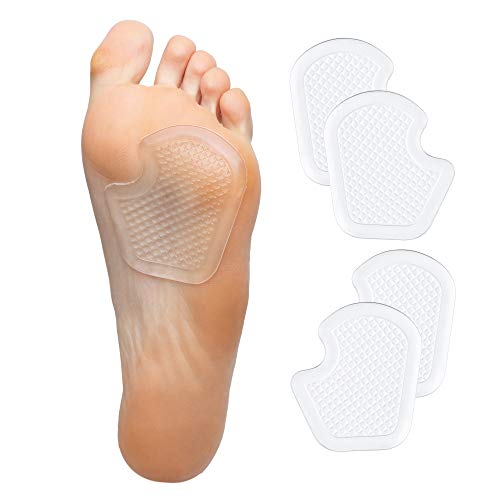
The dual-pack setup means you’ll always have a backup, and the firm yet flexible material helps distribute weight evenly. They’re especially useful for women’s shoes with narrow toe boxes, where extra cushioning can prevent irritation and strain. If you’re looking to pair them with supportive shoes, opt for styles with a firm heel and ample arch support to maximize comfort.
6. Foot Pain Relief Gel Cushions

For those who wear shoes meant for metatarsalgia or Morton’s neuroma, these cushions add extra protection. They prevent overloading the metatarsal heads, which often causes sharp pain, by absorbing shock and maintaining proper alignment. Pair them with shoes that offer arch support and a wide toe box, and you’ll see less flare-up while keeping movement smooth.
7. Foot Comfort Gel Pads

For Morton’s neuroma or metatarsalgia, these pads act as a barrier between the toes, cutting down on nerve compression and joint strain. Since they’re washable and reusable, they’re a long-term solution that won’t add extra weight to your footwear. Pair them with shoes that have ample toe room and arch support, and you’ll keep those painful spots quiet.
8. Sesamoid Pain Relief Pads

The best shoes for sesamoiditis should also offer arch support and flexibility to keep the foot aligned correctly. These pads fit right into shoes to add that extra support without bulk, keeping you comfortable while walking or standing. They’re especially useful for those who experience pain from repetitive motion or high-impact activities.
9. Gel Foot Cushions for Pain Relief
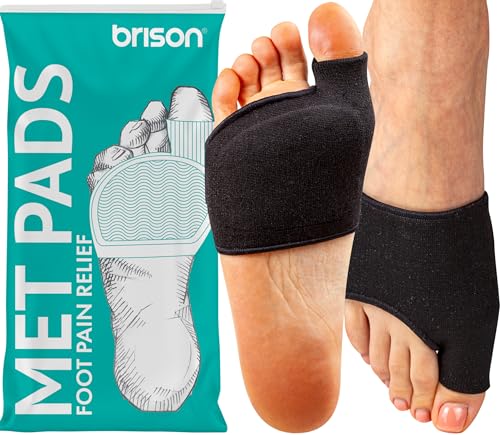
For those who need extra protection, these pads work well with well-cushioned shoes. They’re designed to relieve pain from Morton’s neuroma, metatarsalgia, and calluses while keeping the foot stable. If you’re looking for a simple yet effective way to improve comfort in your shoes, these pads are a solid choice.
10. Dancer Foot Relief Pads

If you’re looking for shoes that complement these pads, prioritize materials with shock absorption and a firm heel-to-toe transition. This combination reduces the risk of irritation while keeping the sesamoid area protected. The pads fit seamlessly into supportive footwear, ensuring consistent relief without compromising stability.
